




What is the stress distribution in a butt flange under load?
 Nov 06, 2025|
Hey there! As a supplier of butt flanges, I've been getting a lot of questions lately about the stress distribution in a butt flange under load. So, I thought I'd take a moment to break it down and share what I know.
First off, let's talk about what a butt flange is. A butt flange is a type of flange that's used to connect pipes, valves, and other equipment in a piping system. It's called a "butt" flange because it's welded to the pipe at the butt end, creating a strong and secure connection.
Now, when a butt flange is under load, it experiences different types of stress. The most common types of stress are axial stress, radial stress, and circumferential stress.
Axial stress is the stress that acts parallel to the axis of the pipe. This type of stress is caused by the pressure inside the pipe and the weight of the fluid or gas flowing through it. When the pipe is under pressure, the flange experiences a pulling force along its axis, which creates axial stress.
Radial stress is the stress that acts perpendicular to the axis of the pipe. This type of stress is caused by the pressure inside the pipe pushing outwards on the flange. When the pressure inside the pipe increases, the flange experiences a pushing force from the inside, which creates radial stress.
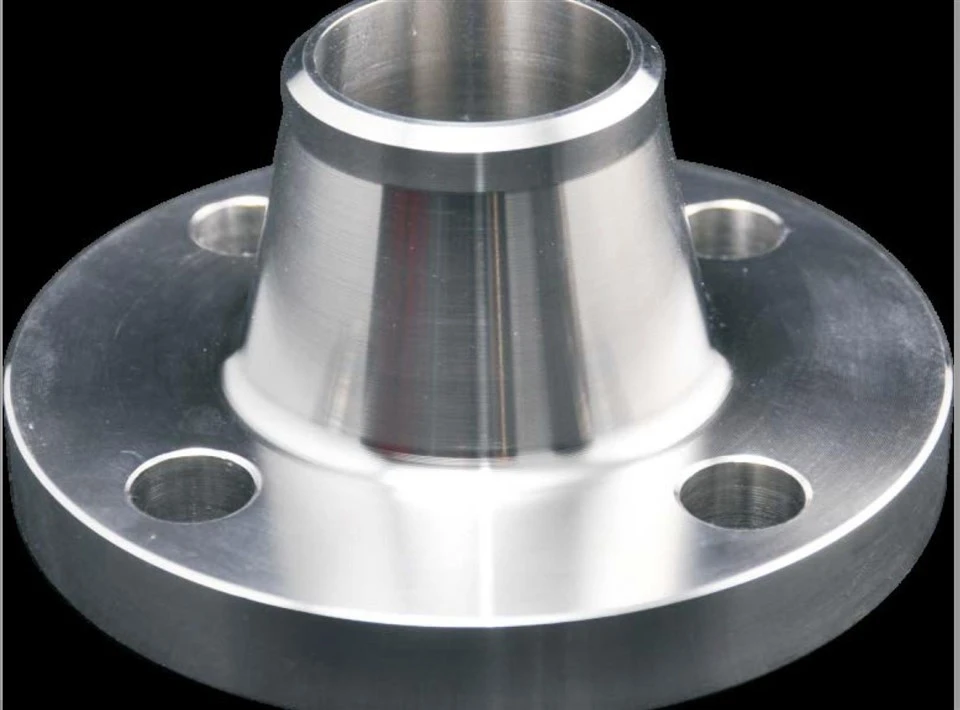
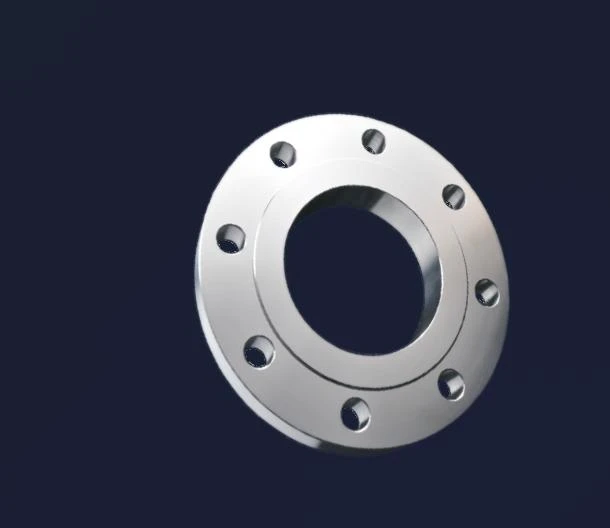
Circumferential stress is the stress that acts around the circumference of the flange. This type of stress is caused by the bending moment created when the flange is bolted to the pipe or other equipment. When the bolts are tightened, they create a bending moment that causes the flange to bend slightly, which creates circumferential stress.
The stress distribution in a butt flange under load depends on several factors, including the size and thickness of the flange, the type of material it's made of, the pressure and temperature of the fluid or gas flowing through the pipe, and the type of load it's subjected to.
For example, a larger and thicker flange will generally be able to withstand more stress than a smaller and thinner flange. This is because a larger and thicker flange has more material to distribute the stress over, which reduces the stress concentration at any one point.
The type of material the flange is made of also plays a big role in its stress distribution. Different materials have different mechanical properties, such as strength, ductility, and toughness. A flange made of a stronger and more ductile material will generally be able to withstand more stress than a flange made of a weaker and more brittle material.
The pressure and temperature of the fluid or gas flowing through the pipe also affect the stress distribution in the flange. Higher pressures and temperatures create more stress on the flange, which can cause it to deform or fail if it's not designed to handle these conditions.
Finally, the type of load the flange is subjected to also affects its stress distribution. There are several types of loads that a flange can be subjected to, including static loads, dynamic loads, and cyclic loads. Static loads are loads that are applied slowly and remain constant over time, while dynamic loads are loads that are applied suddenly and change rapidly over time. Cyclic loads are loads that are applied repeatedly over time, such as the vibration caused by a pump or compressor.
So, how do we ensure that a butt flange can withstand the stress it's subjected to under load? Well, the first step is to choose the right flange for the application. This means selecting a flange that's the right size, thickness, and material for the pressure, temperature, and type of load it will be subjected to.
At our company, we offer a wide range of butt flanges to meet the needs of different applications. We have [link text="ASME B16.5 WN" url="/butt-welding-flange/asme-b16-5-wn.html"]ASME B16.5 WN[/link] flanges, which are designed to meet the standards set by the American Society of Mechanical Engineers. These flanges are available in a variety of sizes and materials, and they're suitable for use in a wide range of industries, including oil and gas, chemical, and power generation.
We also offer [link text="Forged Welding Neck" url="/butt-welding-flange/forged-welding-neck.html"]Forged Welding Neck[/link] flanges, which are made from high-quality forged steel. These flanges are stronger and more durable than other types of flanges, and they're ideal for use in high-pressure and high-temperature applications.
In addition, we offer [link text="Reducer Flange" url="/butt-welding-flange/reducer-flange.html"]Reducer Flange[/link], which are used to connect pipes of different sizes. These flanges are available in a variety of sizes and materials, and they're designed to provide a smooth and seamless transition between the two pipes.
Once you've chosen the right flange for the application, the next step is to install it correctly. This means following the manufacturer's instructions and using the right tools and techniques to ensure that the flange is properly aligned and tightened.
It's also important to perform regular inspections and maintenance on the flange to ensure that it's in good condition and functioning properly. This includes checking for signs of wear, corrosion, and damage, and replacing the flange if necessary.
In conclusion, understanding the stress distribution in a butt flange under load is essential for ensuring the safety and reliability of a piping system. By choosing the right flange for the application, installing it correctly, and performing regular inspections and maintenance, you can help to prevent flange failure and ensure that your piping system operates smoothly and efficiently.
If you're in the market for butt flanges, I encourage you to contact us to discuss your needs. We have a team of experts who can help you choose the right flange for your application and provide you with the support and guidance you need to ensure a successful installation.
References
- "Mechanical Engineering Design" by Joseph Edward Shigley and Charles R. Mischke
- "Piping Handbook" by Nayyar P. Cheremisinoff