




Can a threaded flange plate be reused?
 Nov 06, 2025|
Hey there! As a supplier of Threaded Flange Plates, I often get asked this question: "Can a threaded flange plate be reused?" Well, let's dive right into it and explore this topic in detail.
First off, what exactly is a Threaded Flange Plate? A Threaded Flange Plate is a type of flange that has threads on its inner bore. These threads allow it to be screwed onto a pipe with matching threads. They're commonly used in various industries, like oil and gas, plumbing, and manufacturing, to connect pipes and valves securely.
Now, onto the big question: can they be reused? The answer isn't a simple yes or no. It depends on several factors.
Condition of the Threads
The threads on a threaded flange plate are crucial. If they're in good condition, with no signs of wear, damage, or corrosion, there's a good chance the flange can be reused. But if the threads are stripped, worn down, or corroded, reusing the flange is a big no - no. Stripped threads won't provide a proper seal, which can lead to leaks. And corrosion can weaken the structure of the flange, making it unsafe to use.
For example, if you've been using a threaded flange plate in a low - pressure water system and after inspection, the threads look smooth and undamaged, you might be able to reuse it. However, if it was used in a harsh chemical environment where corrosion has set in, it's time to replace it.
Sealing Surface
Another important aspect is the sealing surface of the flange. This is the area that comes into contact with the gasket to create a leak - proof seal. If the sealing surface is scratched, pitted, or warped, it won't be able to form a proper seal when reused. Even minor damage can cause leaks over time.
Let's say you removed a threaded flange plate from a system, and you notice some small scratches on the sealing surface. You could try to repair it by machining the surface to make it smooth again. But if the damage is too severe, it's best to get a new flange.
Material Integrity
The overall material integrity of the threaded flange plate matters. If it has been exposed to extreme temperatures, high pressures, or corrosive substances, the material might have degraded. For instance, in a high - temperature steam system, the metal of the flange could have undergone changes in its microstructure, which can reduce its strength.
If you suspect that the material has been compromised, it's better to err on the side of caution and replace the flange. You don't want to risk a failure in your system because you tried to reuse a damaged flange.
Installation and Removal
How the threaded flange plate was installed and removed also plays a role. If it was over - tightened during installation, it could have caused stress on the threads and the body of the flange. And if it was removed using improper tools or techniques, it might have been damaged in the process.
For example, using a wrench that's too large or applying too much force when removing the flange can cause cracks or other forms of damage. So, when you're installing and removing threaded flange plates, make sure to follow the proper procedures.
When Reusing is a Good Idea
There are situations where reusing a threaded flange plate makes sense. If the flange was used in a relatively clean and low - stress environment, and after a thorough inspection, it shows no signs of damage, reusing it can save you money. For example, in a small - scale plumbing system where the water is clean and the pressure is low, a well - maintained threaded flange plate can be reused without any issues.

When to Replace
On the other hand, there are clear signs that it's time to replace the threaded flange plate. If there's visible damage like cracks, significant corrosion, or severe wear on the threads or sealing surface, replacement is necessary. Also, if the flange has been in a high - risk environment where the material integrity might be compromised, don't take chances.
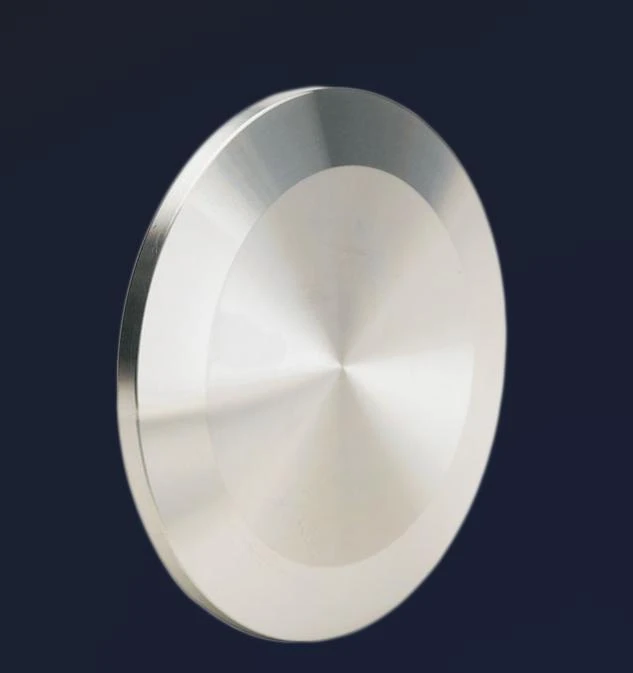
Now, let's talk about some alternatives to threaded flange plates. Blind Flange Plate is one option. These are used to seal the end of a pipe. They don't have a central opening like threaded flange plates. And Stainless Steel Plate Flanges are known for their corrosion resistance. If you're working in a corrosive environment, stainless steel plate flanges might be a better choice.
In conclusion, whether a threaded flange plate can be reused depends on its condition, the environment it was used in, and how it was installed and removed. As a supplier, I always recommend a thorough inspection before deciding to reuse a flange. If you're not sure, it's best to consult with a professional.
If you're in the market for new threaded flange plates, blind flange plates, or stainless steel plate flanges, I'd love to help you out. We have a wide range of high - quality products to meet your needs. Just reach out to us for more information and to start a purchase negotiation.
References
- Flange Design and Installation Guidelines, Industry Standard Handbook
- Corrosion and Material Degradation in Industrial Piping Systems, Academic Research Paper