




What are the differences between Ansi Blind Flanges and JIS blind flanges?
 Dec 15, 2025|
 Hey there! I'm a supplier of ANSI Blind Flanges, and today I wanna talk about the differences between ANSI Blind Flanges and JIS Blind Flanges. If you're in the market for flanges or just curious about these two types, this blog is for you.
1. Standards and Origins
First off, let's talk about where these standards come from. ANSI, which stands for the American National Standards Institute, sets the standards for ANSI Blind Flanges. These standards are widely used in North America and many other parts of the world. The ANSI standards are designed to ensure compatibility and safety in various industrial applications.
On the other hand, JIS, or the Japanese Industrial Standards, is responsible for JIS Blind Flanges. Japan has its own unique industrial requirements, and the JIS standards are tailored to meet those needs. These flanges are commonly used in Japanese industries and in some Asian countries that follow Japanese engineering practices.
The difference in standards means that ANSI and JIS Blind Flanges have different dimensions, pressure ratings, and material specifications. For example, the bolt hole patterns and flange thicknesses can vary significantly between the two types.
2. Dimensions and Sizes
One of the most noticeable differences between ANSI and JIS Blind Flanges is their dimensions. ANSI flanges typically follow a set of standard sizes that are based on the nominal pipe size (NPS). The sizes range from small diameters for residential plumbing to large diameters for industrial pipelines.
JIS flanges, however, have their own sizing system. The Japanese standards use a different set of measurements, which can make it challenging to interchange ANSI and JIS flanges without proper adaptation. For instance, the outside diameter and bolt circle diameter of a JIS flange may not match those of an ANSI flange of the same nominal size.
If you're looking for a Stainless Steel Forged Blind Flange, it's crucial to know which standard you need. Using the wrong size or standard can lead to leaks, improper connections, and safety hazards.
3. Pressure Ratings
Pressure rating is another important factor to consider when comparing ANSI and JIS Blind Flanges. ANSI flanges are classified into different pressure classes, such as 150, 300, 600, 900, 1500, and 2500. These classes indicate the maximum pressure that the flange can withstand under specific conditions.
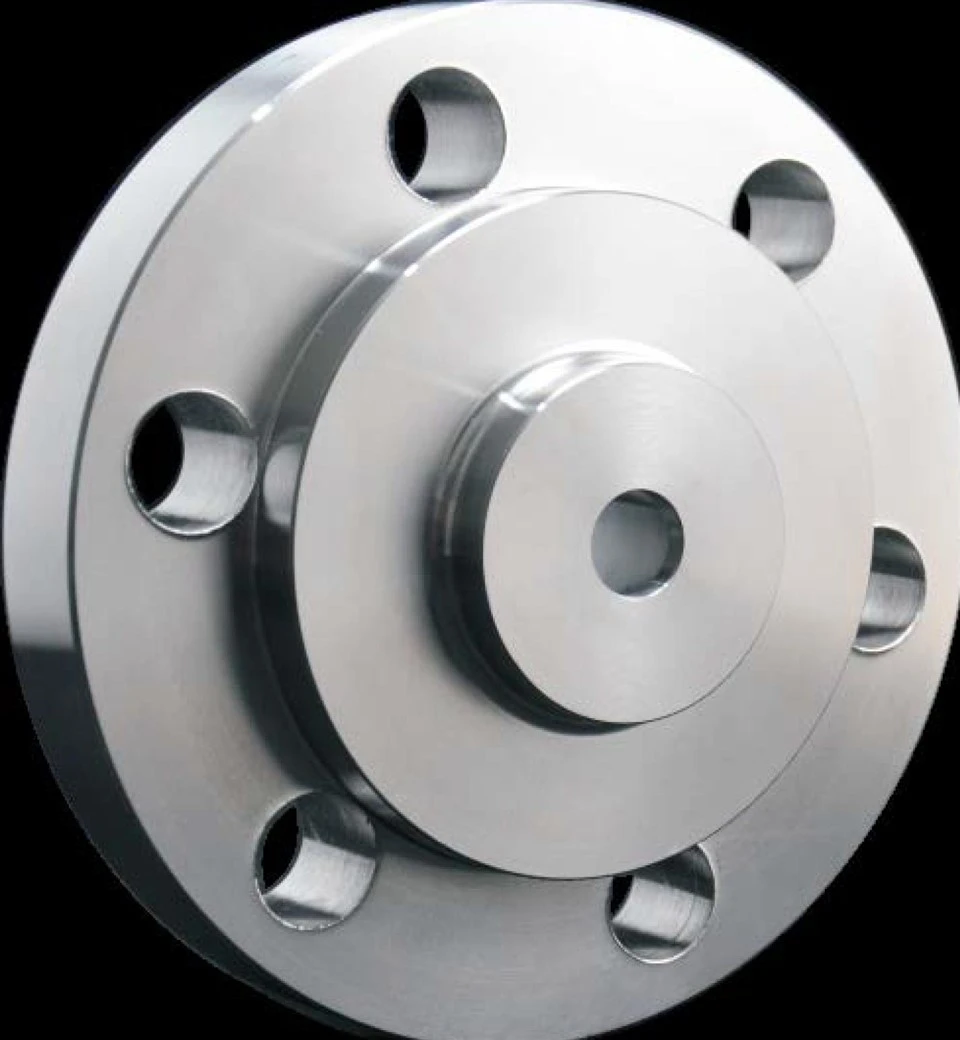

JIS flanges also have their own pressure rating system, but the values and classifications may not be directly comparable to ANSI. The Japanese standards take into account different factors, such as the material properties and the intended use of the flange.
When selecting a flange for your application, you need to ensure that the pressure rating is appropriate for the operating conditions. Using a flange with a lower pressure rating than required can result in flange failure and potential accidents.
4. Material and Manufacturing
Both ANSI and JIS Blind Flanges can be made from a variety of materials, including carbon steel, stainless steel, and alloy steel. However, the material specifications and manufacturing processes may differ between the two standards.
ANSI flanges often follow strict material standards set by organizations like ASTM (American Society for Testing and Materials). These standards ensure the quality and consistency of the materials used in flange manufacturing.
JIS flanges, on the other hand, adhere to Japanese material standards. The Japanese standards may have different requirements for chemical composition, mechanical properties, and heat treatment.
The manufacturing processes for ANSI and JIS flanges can also vary. ANSI flanges are commonly forged, which provides excellent strength and durability. JIS flanges may be forged or cast, depending on the application and the manufacturer's preference.
5. Applications
The differences in standards, dimensions, pressure ratings, and materials also affect the applications of ANSI and JIS Blind Flanges.
ANSI Blind Flanges are widely used in industries such as oil and gas, chemical processing, power generation, and water treatment in North America and many other countries. Their standardized sizes and pressure ratings make them suitable for a wide range of applications.
JIS Blind Flanges are commonly used in Japanese industries, including shipbuilding, automotive manufacturing, and electronics. They are also used in some Asian countries that have adopted Japanese engineering practices.
If you're involved in a project that requires Pipe Connection Flange Blind, it's important to choose the right type of flange based on the application and the location of the project.
6. Cost
Cost is always a consideration when purchasing flanges. The cost of ANSI and JIS Blind Flanges can vary depending on several factors, such as the material, size, pressure rating, and manufacturing process.
In general, ANSI flanges are more widely available in the global market, which can sometimes result in more competitive pricing. However, the cost can also be affected by the specific requirements of the project and the supplier's pricing strategy.
JIS flanges may be more expensive in some regions, especially if they need to be imported from Japan. The cost may also be higher due to the specialized manufacturing processes and material requirements.
7. Compatibility and Interchangeability
As mentioned earlier, ANSI and JIS Blind Flanges have different standards, dimensions, and pressure ratings, which can make them incompatible in many cases. However, there are some situations where it may be possible to use an ANSI flange in a JIS application or vice versa, with proper adaptation.
For example, if the pressure ratings and material requirements are similar, it may be possible to modify the bolt hole pattern or the flange thickness to make the flanges compatible. However, this should only be done by a qualified engineer or technician to ensure the safety and reliability of the connection.
If you're unsure about the compatibility of ANSI and JIS flanges, it's best to consult with a professional or the flange manufacturer.
8. Conclusion
In conclusion, ANSI and JIS Blind Flanges have several differences in terms of standards, dimensions, pressure ratings, materials, applications, cost, and compatibility. When choosing a flange for your project, it's important to consider these factors carefully to ensure that you select the right type of flange for your needs.
As a supplier of ANSI Blind Flanges, I have a wide range of products to meet your requirements. Whether you need a Threaded Blind Flange for a small plumbing project or a large stainless steel forged blind flange for an industrial pipeline, I can provide you with high-quality products at competitive prices.
If you're interested in purchasing ANSI Blind Flanges or have any questions about the differences between ANSI and JIS Blind Flanges, feel free to contact me. I'm here to help you make the right choice for your project.
References
- American National Standards Institute (ANSI) standards
- Japanese Industrial Standards (JIS)
- ASTM International standards for materials