




How does a threaded flange work?
 Dec 15, 2025|
As a seasoned supplier of threaded flanges, I've witnessed firsthand the essential role these components play in various industrial applications. In this blog post, I'll delve into the intricacies of how a threaded flange works, exploring its design, functionality, and advantages.
Design and Structure of Threaded Flanges
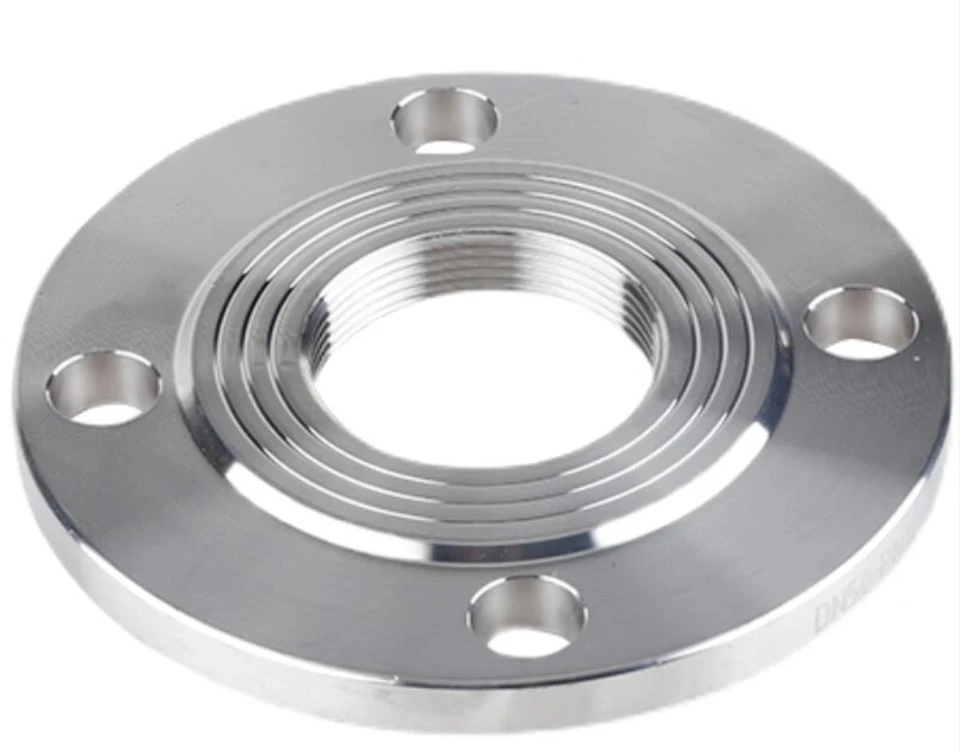
Threaded flanges are a type of pipe flange with internal threads that match the external threads of a pipe. This design allows the flange to be easily screwed onto the pipe without the need for welding. The flanges are typically made from a variety of materials, including carbon steel, stainless steel, alloy steel, and even plastic, depending on the specific application requirements.
The main parts of a threaded flange include the flange face, the hub, and the threaded bore. The flange face is the flat surface that comes into contact with the mating flange, and it can have different finishes, such as flat face, raised face, or ring joint face. The hub provides additional strength and support to the flange, and it can be either integral or separate. The threaded bore is the internal part of the flange that engages with the external threads of the pipe.
How Threaded Flanges Work
The working principle of a threaded flange is relatively straightforward. When installing a threaded flange, the first step is to ensure that the pipe ends are properly threaded according to the standard specifications. The thread pitch, diameter, and length must all match the requirements of the flange. Once the pipe is threaded, the flange can be carefully screwed onto the pipe until it is snugly seated.
After the flange is installed on the pipe, it is then connected to another flange or a valve using bolts. The bolts are inserted through the bolt holes in the flange and tightened to a specific torque value. This creates a tight seal between the two flanges, preventing leakage of the fluid or gas flowing through the pipeline.
One of the key advantages of threaded flanges is their ease of installation and removal. Unlike welded flanges, which require specialized equipment and skilled labor to install and remove, threaded flanges can be easily installed or removed using simple hand tools. This makes them ideal for applications where frequent maintenance or pipe modification is required.
Applications of Threaded Flanges
Threaded flanges are widely used in a variety of industries, including oil and gas, chemical, power generation, and water treatment. In the oil and gas industry, threaded flanges are commonly used in pipelines, wellheads, and refineries to connect pipes, valves, and other equipment. In the chemical industry, they are used in processes where corrosive or hazardous fluids are involved, as the threaded connection provides a reliable and leak-proof seal.
In the power generation industry, threaded flanges are used in steam and water systems to connect boilers, turbines, and condensers. They are also used in the water treatment industry for connecting pipes and other equipment in water supply and wastewater treatment plants.
Advantages of Threaded Flanges
- Easy Installation and Removal: As mentioned earlier, threaded flanges can be easily installed or removed using simple hand tools, which saves time and labor costs.
- No Welding Required: Since threaded flanges do not require welding, there is no need for specialized welding equipment or skilled welders. This reduces the risk of welding defects and makes the installation process safer.
- Reusable: Threaded flanges can be reused multiple times, which makes them a cost-effective solution for long-term applications.
- Flexibility: Threaded flanges can be easily adjusted or replaced if necessary, which provides greater flexibility in the design and operation of the pipeline system.
Types of Threaded Flanges
There are several types of threaded flanges available in the market, each with its own unique features and applications. Some of the most common types include:
- Carbon Steel Threaded Flange: These flanges are made from carbon steel, which is a strong and durable material. They are commonly used in general-purpose applications where high strength and corrosion resistance are required.
- Female Threaded Flange: Female threaded flanges have internal threads that are designed to mate with the external threads of a pipe. They are often used in applications where a tight seal is required, such as in high-pressure or high-temperature systems.
- Flat Face Threaded Flange: Flat face threaded flanges have a flat surface on the flange face, which provides a larger sealing area. They are commonly used in low-pressure applications where a leak-proof seal is required.
Considerations When Using Threaded Flanges
While threaded flanges offer many advantages, there are also some considerations to keep in mind when using them. One of the main considerations is the torque value when tightening the bolts. Over-tightening the bolts can cause the threads to strip or damage the flange, while under-tightening can result in a leaky connection. It is important to follow the manufacturer's recommendations for the proper torque value and to use a torque wrench to ensure accurate tightening.
Another consideration is the thread alignment. The threads on the pipe and the flange must be properly aligned to ensure a secure and leak-proof connection. Misaligned threads can cause the flange to be difficult to install or can result in a loose connection.

Conclusion
In conclusion, threaded flanges are a versatile and reliable solution for connecting pipes and other equipment in a variety of industrial applications. Their ease of installation, reusability, and flexibility make them a popular choice for many engineers and contractors. As a threaded flange supplier, I am committed to providing high-quality products and excellent customer service to meet the needs of my clients.
If you are interested in purchasing threaded flanges or have any questions about their application, please feel free to contact me. I would be happy to discuss your requirements and provide you with a customized solution.
References
- ASME B16.5 - Pipe Flanges and Flanged Fittings
- API 6A - Specification for Wellhead and Christmas Tree Equipment
- ASTM A105 - Standard Specification for Carbon Steel Forgings for Piping Applications