




How to store carbon steel plate flanges properly?
 Jan 05, 2026|
 Proper storage of carbon steel plate flanges is crucial for maintaining their quality and performance over time. As a supplier of Carbon Steel Plate Flange, I understand the significance of providing customers with guidance on how to store these products correctly. In this blog post, I will share some essential tips and best practices for storing carbon steel plate flanges to ensure their longevity and functionality.
Understanding the Characteristics of Carbon Steel Plate Flanges
Before delving into the storage methods, it's important to understand the properties of carbon steel plate flanges. Carbon steel is an alloy primarily composed of iron and carbon, with small amounts of other elements such as manganese, silicon, and sulfur. It is known for its high strength, durability, and relatively low cost, making it a popular choice for various industrial applications.
However, carbon steel is also susceptible to corrosion, especially when exposed to moisture, oxygen, and certain chemicals. Corrosion can cause the flanges to rust, weaken, and eventually fail, leading to costly repairs and replacements. Therefore, proper storage is essential to prevent corrosion and maintain the integrity of the flanges.
Choosing the Right Storage Location
The first step in storing carbon steel plate flanges is to select an appropriate storage location. The ideal storage area should be dry, well-ventilated, and protected from the elements. Here are some key considerations when choosing a storage location:
- Dry Environment: Moisture is the primary cause of corrosion in carbon steel. Therefore, the storage area should be kept as dry as possible. Avoid storing the flanges in areas prone to flooding, high humidity, or condensation, such as basements, near water sources, or in unheated buildings.
- Ventilation: Good ventilation helps to reduce humidity and prevent the buildup of moisture in the storage area. Ensure that the storage area has adequate ventilation, either through natural ventilation (windows, doors) or mechanical ventilation (fans, exhaust systems).
- Protection from the Elements: The storage area should be protected from rain, snow, sunlight, and other environmental factors that can damage the flanges. If possible, store the flanges indoors or in a covered storage facility. If outdoor storage is necessary, use a waterproof cover to protect the flanges from the elements.
- Avoid Chemical Exposure: Carbon steel can react with certain chemicals, such as acids, alkalis, and salts, which can accelerate corrosion. Therefore, avoid storing the flanges near chemical storage areas, industrial processes, or other sources of chemical contamination.
Preparing the Flanges for Storage
Before storing the carbon steel plate flanges, it's important to prepare them properly to prevent corrosion and damage. Here are some steps to follow:
- Clean the Flanges: Remove any dirt, debris, oil, or grease from the surface of the flanges using a clean cloth or a mild detergent solution. Rinse the flanges thoroughly with water and dry them completely before storage.
- Apply a Protective Coating: To further protect the flanges from corrosion, apply a protective coating, such as a rust inhibitor, paint, or epoxy coating. Follow the manufacturer's instructions for applying the coating and allow it to dry completely before storage.
- Inspect the Flanges: Before storage, inspect the flanges for any signs of damage, such as cracks, dents, or scratches. If any damage is found, repair or replace the flanges as necessary to ensure their integrity.
- Label the Flanges: To facilitate identification and inventory management, label the flanges with their size, specification, and other relevant information. Use a permanent marker or a label that is resistant to moisture and abrasion.
Storing the Flanges
Once the flanges are prepared for storage, it's time to store them properly. Here are some tips for storing carbon steel plate flanges:
- Use a Rack or Shelving System: To prevent the flanges from coming into contact with each other and causing damage, store them on a rack or shelving system. Use a rack or shelving system that is designed to support the weight of the flanges and prevent them from tipping over or falling.
- Separate the Flanges: To prevent scratching and damage, separate the flanges using a spacer, such as a piece of cardboard, wood, or plastic. Place the spacer between each flange to keep them apart and prevent them from rubbing against each other.
- Store the Flanges Vertically: To prevent warping and deformation, store the flanges vertically on their edges. This helps to distribute the weight evenly and prevent the flanges from bending or twisting.
- Avoid Stacking the Flanges: Stacking the flanges can cause damage to the bottom flanges due to the weight of the upper flanges. Therefore, avoid stacking the flanges unless they are specifically designed for stacking. If stacking is necessary, use a spacer between each layer of flanges to prevent damage.
- Keep the Flanges Organized: To facilitate inventory management and easy access, keep the flanges organized by size, specification, and other relevant criteria. Use a labeling system or a storage management software to track the location and quantity of the flanges.
Monitoring the Storage Conditions
Once the flanges are stored, it's important to monitor the storage conditions regularly to ensure that they remain in good condition. Here are some key factors to monitor:
- Humidity: Use a hygrometer to monitor the humidity level in the storage area. The ideal humidity level for storing carbon steel plate flanges is between 30% and 50%. If the humidity level exceeds 50%, take steps to reduce it, such as using a dehumidifier or increasing ventilation.
- Temperature: The temperature in the storage area should be kept within a reasonable range to prevent thermal expansion and contraction of the flanges. Avoid storing the flanges in areas with extreme temperatures, such as near heaters or in direct sunlight.
- Corrosion: Regularly inspect the flanges for any signs of corrosion, such as rust, discoloration, or pitting. If any corrosion is found, take immediate action to remove it and prevent further corrosion, such as cleaning the flanges, applying a protective coating, or replacing the damaged flanges.
- Damage: Inspect the flanges for any signs of damage, such as cracks, dents, or scratches. If any damage is found, repair or replace the flanges as necessary to ensure their integrity.
Conclusion
Proper storage of carbon steel plate flanges is essential for maintaining their quality and performance over time. By choosing the right storage location, preparing the flanges for storage, storing them properly, and monitoring the storage conditions regularly, you can prevent corrosion, damage, and other issues that can affect the functionality of the flanges.
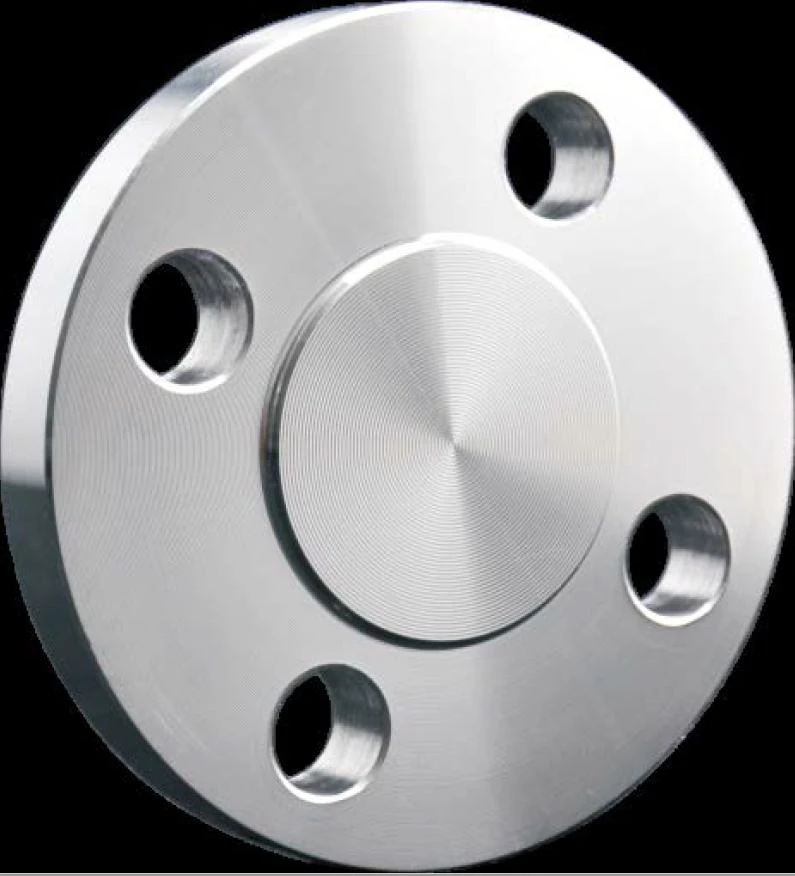
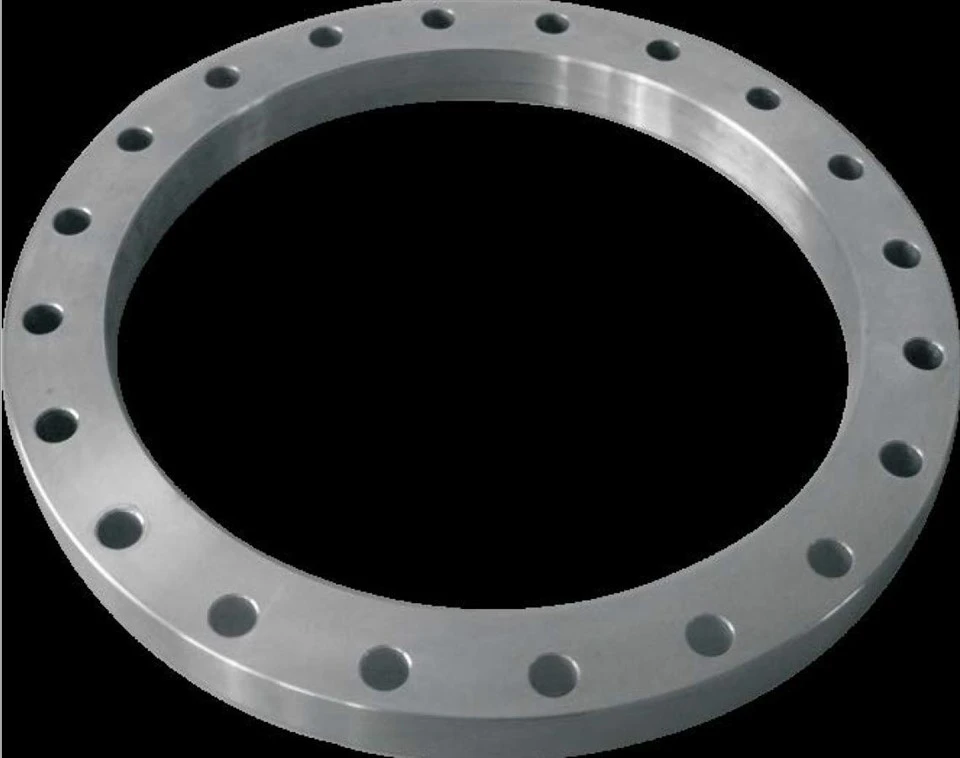
As a supplier of Carbon Steel Plate Flange, I am committed to providing my customers with high-quality products and reliable service. If you have any questions or need further assistance with storing carbon steel plate flanges, please feel free to contact me. I will be happy to help you ensure that your flanges are stored properly and ready for use when you need them.
In addition to carbon steel plate flanges, we also offer a wide range of other products, such as Stainless Steel Plate Flanges and Blind Flange Plate. If you are interested in these products or have any other procurement needs, please don't hesitate to contact us for more information and to discuss your specific requirements. We look forward to working with you and providing you with the best solutions for your business.
References
- ASM Handbook, Volume 13A: Corrosion: Fundamentals, Testing, and Protection. ASM International, 2003.
- NACE International. Corrosion Basics: An Introduction. NACE International, 2002.
- Steel Structures Painting Council (SSPC). Protective Coatings for Steel Structures. SSPC, 2007.