




How to ensure the correct torque when tightening the bolts of butt welding flanges?
 Dec 17, 2025|
 Hey there! As a supplier of butt welding flanges, I've seen firsthand how crucial it is to ensure the correct torque when tightening the bolts of these flanges. In this blog post, I'll share some tips and tricks on how to do just that, so you can avoid leaks, failures, and other headaches down the road.
First things first, let's talk about why torque is so important. When you tighten the bolts on a butt welding flange, you're creating a seal between the two flanges and the gasket in between. If the torque is too low, the seal won't be tight enough, and you could end up with leaks. On the other hand, if the torque is too high, you could damage the flange, the bolts, or the gasket, which could also lead to leaks or other problems.
So, how do you ensure the correct torque? Well, the first step is to consult the manufacturer's specifications for the flange and the bolts. These specifications will tell you the recommended torque values for the specific flange and bolt combination you're using. Make sure you follow these recommendations carefully, as they're based on extensive testing and engineering calculations.
Once you have the recommended torque values, you'll need to use the right tools to tighten the bolts. A torque wrench is the most accurate tool for this job, as it allows you to set the desired torque value and ensures that you don't over- or under-tighten the bolts. Make sure you use a torque wrench that's calibrated and in good working condition, as an inaccurate torque wrench can lead to incorrect torque values.
When tightening the bolts, it's important to follow a specific pattern. This helps to ensure that the flange is tightened evenly and that the gasket is compressed uniformly. A common pattern is to start with the bolt at the top of the flange and work your way around in a star pattern, tightening each bolt a little bit at a time. Make sure you alternate between bolts on opposite sides of the flange to keep the pressure balanced.
Another important factor to consider is the lubrication of the bolts. Lubricating the bolts can help to reduce friction and make it easier to achieve the correct torque value. However, it's important to use the right type of lubricant, as some lubricants can actually reduce the friction too much and lead to over-tightening. Consult the manufacturer's recommendations for the specific lubricant to use.
In addition to following the manufacturer's specifications and using the right tools and techniques, it's also important to inspect the flange and the bolts regularly. Look for signs of wear, damage, or corrosion, and replace any parts that are worn or damaged. This can help to prevent leaks and other problems from occurring.
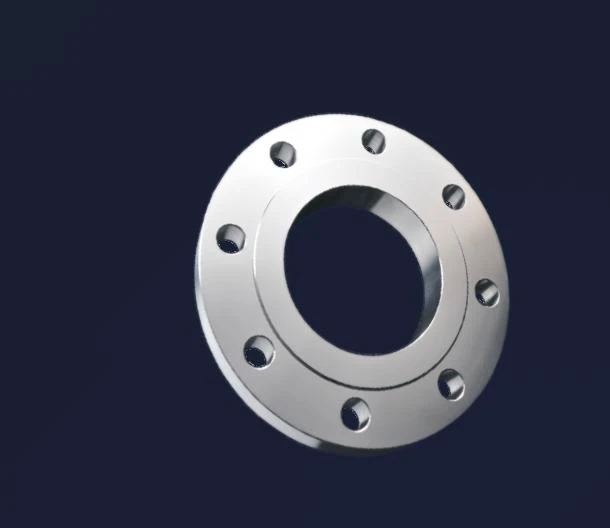
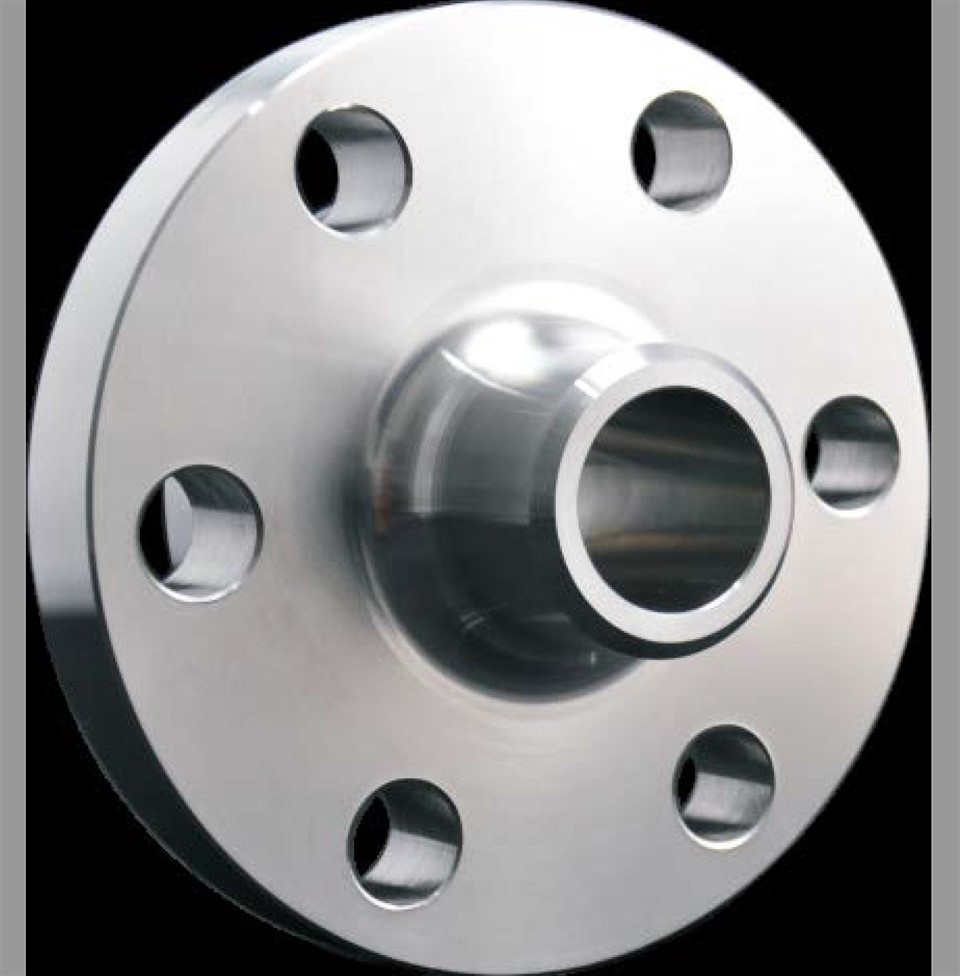
Now, let's talk about some common mistakes to avoid when tightening the bolts of butt welding flanges. One of the most common mistakes is over-tightening the bolts. This can lead to damage to the flange, the bolts, or the gasket, and can also make it more difficult to remove the bolts in the future. Make sure you use a torque wrench and follow the recommended torque values carefully.
Another common mistake is not tightening the bolts evenly. This can lead to uneven compression of the gasket and can cause leaks. Make sure you follow the recommended tightening pattern and alternate between bolts on opposite sides of the flange.
Finally, it's important to avoid using the wrong type of bolts or gaskets. Make sure you use the bolts and gaskets that are recommended by the manufacturer for the specific flange you're using. Using the wrong type of bolts or gaskets can lead to leaks, failures, and other problems.
In conclusion, ensuring the correct torque when tightening the bolts of butt welding flanges is crucial for preventing leaks, failures, and other problems. By following the manufacturer's specifications, using the right tools and techniques, and inspecting the flange and the bolts regularly, you can ensure that your butt welding flanges are installed correctly and will perform reliably for years to come.
If you're in the market for high-quality butt welding flanges, we've got you covered. We offer a wide range of Forged Welding Neck, ASME B16.5 WN, and Reducer Flange options to meet your specific needs. Our flanges are made from the highest quality materials and are manufactured to the highest standards of quality and precision.
If you're interested in learning more about our products or would like to discuss your specific requirements, please don't hesitate to contact us. We're here to help you find the right butt welding flanges for your application and to ensure that you get the best possible value for your money.
References
- Manufacturer's specifications for butt welding flanges and bolts
- Industry standards and best practices for flange installation and maintenance