




Which is more corrosion - resistant, carbon steel or stainless steel plate flanges?
 Nov 11, 2025|
When it comes to plate flange selection, one of the most critical factors to consider is corrosion resistance. As a plate flange supplier, I often encounter customers who are torn between carbon steel and stainless steel plate flanges, wondering which one offers better protection against corrosion. In this blog post, I'll delve into the characteristics of both materials, comparing their corrosion resistance and helping you make an informed decision for your project.
Understanding Corrosion
Before we compare carbon steel and stainless steel plate flanges, it's essential to understand what corrosion is and how it occurs. Corrosion is a natural process that involves the deterioration of a material due to chemical reactions with its environment. In the case of metal flanges, corrosion can be caused by various factors, including exposure to moisture, chemicals, and high temperatures. Over time, corrosion can weaken the flange, leading to leaks, structural failures, and costly repairs.
Carbon Steel Plate Flanges
Carbon steel is a widely used material in the manufacturing of plate flanges. It is an alloy of iron and carbon, with small amounts of other elements such as manganese, silicon, and sulfur. Carbon steel is known for its high strength, durability, and relatively low cost. However, one of its main drawbacks is its susceptibility to corrosion.
Corrosion Mechanisms in Carbon Steel
Carbon steel corrodes when it comes into contact with oxygen and moisture in the environment. This process, known as oxidation, forms a layer of iron oxide (rust) on the surface of the steel. Rust is porous and does not provide a protective barrier, allowing further corrosion to occur. The rate of corrosion in carbon steel depends on several factors, including the amount of carbon in the steel, the presence of impurities, and the environmental conditions.
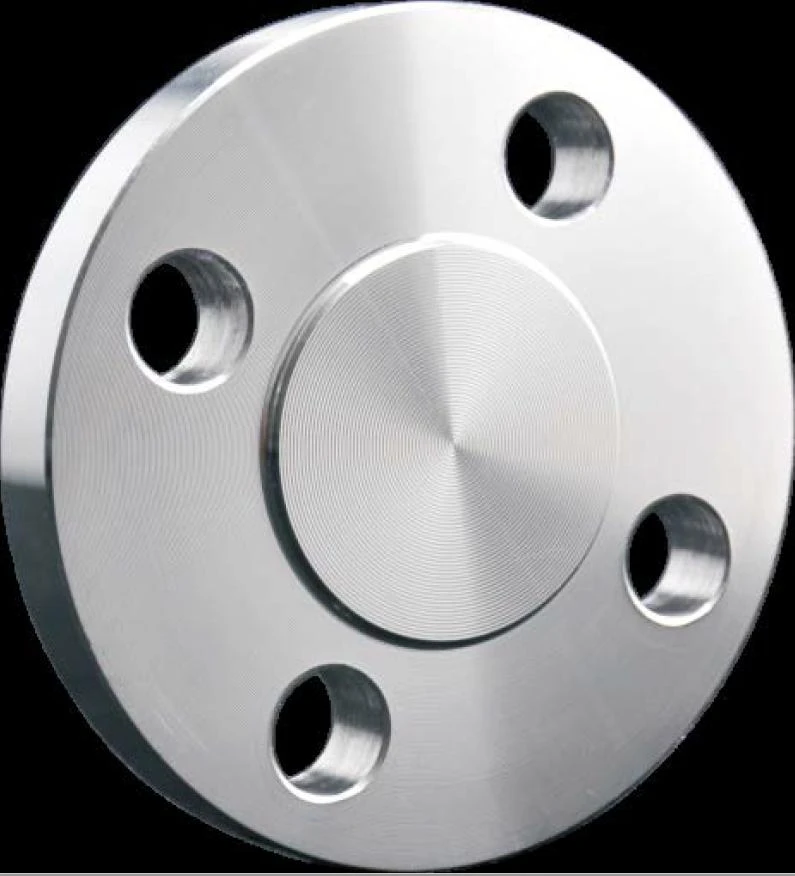

Factors Affecting Corrosion in Carbon Steel Plate Flanges
- Environmental Conditions: Carbon steel plate flanges are more likely to corrode in environments with high humidity, saltwater, or acidic chemicals. For example, flanges used in marine applications or chemical processing plants are at a higher risk of corrosion than those used in dry, indoor environments.
- Coating and Surface Treatment: Applying a protective coating or surface treatment can significantly improve the corrosion resistance of carbon steel plate flanges. Common coatings include paint, epoxy, and zinc plating. However, these coatings can wear off over time, exposing the steel to corrosion.
- Galvanic Corrosion: When carbon steel is in contact with a more noble metal (such as stainless steel) in the presence of an electrolyte (such as water), galvanic corrosion can occur. This type of corrosion can cause accelerated corrosion of the carbon steel.
Stainless Steel Plate Flanges
Stainless steel is an alloy of iron, chromium, and other elements, such as nickel, molybdenum, and titanium. The addition of chromium to the steel forms a thin, passive layer of chromium oxide on the surface, which provides excellent corrosion resistance. Stainless steel is available in various grades, each with different levels of corrosion resistance and mechanical properties.
Corrosion Resistance of Stainless Steel
The passive layer of chromium oxide on the surface of stainless steel is self-healing, meaning that if it is damaged, it can reform in the presence of oxygen. This property makes stainless steel highly resistant to corrosion in a wide range of environments. However, the corrosion resistance of stainless steel can be affected by factors such as the grade of stainless steel, the environmental conditions, and the presence of contaminants.
Factors Affecting Corrosion in Stainless Steel Plate Flanges
- Grade of Stainless Steel: Different grades of stainless steel have different levels of corrosion resistance. For example, austenitic stainless steels (such as 304 and 316) are more corrosion-resistant than ferritic or martensitic stainless steels. The addition of elements such as molybdenum can further improve the corrosion resistance of stainless steel in harsh environments.
- Environmental Conditions: While stainless steel is generally more corrosion-resistant than carbon steel, it can still corrode in certain environments. For example, stainless steel can be susceptible to pitting corrosion in environments with high chloride concentrations, such as saltwater.
- Surface Finish: The surface finish of stainless steel plate flanges can also affect their corrosion resistance. A smooth, polished surface is less likely to accumulate contaminants and is more resistant to corrosion than a rough, uneven surface.
Comparison of Corrosion Resistance
When comparing the corrosion resistance of carbon steel and stainless steel plate flanges, it's clear that stainless steel has a significant advantage. Stainless steel's ability to form a passive layer of chromium oxide provides a protective barrier against corrosion, making it more suitable for use in harsh environments. However, the choice between carbon steel and stainless steel plate flanges ultimately depends on several factors, including the specific application, the environmental conditions, and the budget.
Applications Where Carbon Steel Plate Flanges May Be Suitable
- Low-Corrosion Environments: In dry, indoor environments with low humidity and no exposure to chemicals, carbon steel plate flanges may be a cost-effective option. For example, flanges used in HVAC systems or general industrial applications may not require the high corrosion resistance of stainless steel.
- Temporary or Short-Term Use: If the flanges are only needed for a short period or in a non-critical application, carbon steel may be a suitable choice. However, proper maintenance and inspection are still required to prevent corrosion.
Applications Where Stainless Steel Plate Flanges Are Recommended
- Harsh Environments: Stainless steel plate flanges are recommended for applications in harsh environments, such as marine, chemical, and food processing industries. These environments expose the flanges to high humidity, saltwater, and corrosive chemicals, making stainless steel's corrosion resistance essential.
- Long-Term Use: For applications where the flanges need to last for a long time without significant maintenance, stainless steel is the preferred choice. Stainless steel's durability and corrosion resistance ensure that the flanges will perform reliably over an extended period.
Other Considerations
In addition to corrosion resistance, there are other factors to consider when choosing between carbon steel and stainless steel plate flanges.
Cost
Carbon steel plate flanges are generally less expensive than stainless steel plate flanges. The cost of stainless steel is higher due to the additional alloying elements and the more complex manufacturing process. However, the cost of corrosion prevention and maintenance for carbon steel flanges should also be taken into account.
Mechanical Properties
Carbon steel has higher strength and hardness than stainless steel, making it more suitable for applications where high mechanical properties are required. However, stainless steel has better ductility and toughness, which can be advantageous in applications where the flanges may be subjected to impact or vibration.
Availability
Carbon steel plate flanges are more widely available than stainless steel plate flanges. This is because carbon steel is a more commonly used material in the manufacturing industry. However, stainless steel plate flanges can be readily sourced from specialized suppliers.
Conclusion
In conclusion, when it comes to corrosion resistance, stainless steel plate flanges are generally superior to carbon steel plate flanges. Stainless steel's ability to form a passive layer of chromium oxide provides excellent protection against corrosion in a wide range of environments. However, the choice between carbon steel and stainless steel plate flanges depends on several factors, including the specific application, the environmental conditions, and the budget.
As a plate flange supplier, I can help you choose the right type of flange for your project. Whether you need Blind Flange Plate, Stainless Steel Plate Flanges, or Threaded Flange Plate, I can provide you with high-quality products and expert advice. If you have any questions or would like to discuss your flange requirements, please feel free to contact me. I look forward to working with you to find the best solution for your needs.
References
- ASM Handbook Volume 13A: Corrosion: Fundamentals, Testing, and Protection. ASM International.
- Corrosion Basics: An Introduction to Corrosion Science and Engineering. NACE International.
- Stainless Steel: A Guide to Properties, Processing, and Applications. The Nickel Institute.