




What welding methods are suitable for plate flanges?
 Oct 10, 2025|
As a seasoned plate flange supplier, I've witnessed firsthand the critical role that welding methods play in ensuring the integrity and performance of plate flanges. The choice of welding method can significantly impact the strength, durability, and overall quality of the flange connection. In this blog post, I'll explore various welding methods suitable for plate flanges, providing insights into their advantages, limitations, and applications.
Shielded Metal Arc Welding (SMAW)
Shielded Metal Arc Welding, also known as stick welding, is one of the oldest and most widely used welding processes. It involves using a consumable electrode coated in flux to create an electric arc between the electrode and the workpiece. The flux coating on the electrode decomposes during welding, producing a shielding gas that protects the weld pool from atmospheric contamination.
Advantages:
- Versatility: SMAW can be used to weld a wide range of metals, including carbon steel, stainless steel, and cast iron.
- Portability: The equipment required for SMAW is relatively simple and portable, making it suitable for field welding applications.
- Cost-effective: SMAW is a cost-effective welding method, especially for small-scale projects or repairs.
Limitations:
- Low productivity: SMAW is a relatively slow welding process, with a lower deposition rate compared to other welding methods.
- Requires skill: SMAW requires a high level of skill and experience to produce high-quality welds, especially in challenging positions.
- Limited penetration: SMAW may not provide sufficient penetration for thick plate flanges, requiring multiple passes or preheating.
Applications:
- Repair and maintenance: SMAW is commonly used for repair and maintenance work on plate flanges, especially in remote or inaccessible locations.
- Structural welding: SMAW is suitable for structural welding applications where the weld quality is not critical, such as in the construction of bridges and buildings.
Gas Metal Arc Welding (GMAW)
Gas Metal Arc Welding, also known as MIG (Metal Inert Gas) welding, is a popular welding process that uses a continuous solid wire electrode and a shielding gas to protect the weld pool from atmospheric contamination. The shielding gas can be either inert (such as argon) or a mixture of inert and active gases (such as argon and carbon dioxide).
Advantages:
- High productivity: GMAW is a high-speed welding process, with a higher deposition rate compared to SMAW.
- Ease of use: GMAW is relatively easy to learn and operate, making it suitable for novice welders.
- Good weld quality: GMAW produces high-quality welds with excellent appearance and mechanical properties.
Limitations:
- Limited to flat and horizontal positions: GMAW is generally limited to flat and horizontal welding positions, although special techniques can be used for vertical and overhead welding.
- Requires shielding gas: GMAW requires a continuous supply of shielding gas, which can increase the cost and complexity of the welding process.
- Susceptible to porosity: GMAW is susceptible to porosity if the shielding gas is not properly applied or if the welding parameters are not optimized.
Applications:
- Manufacturing: GMAW is commonly used in the manufacturing of plate flanges, especially for high-volume production.
- Automotive industry: GMAW is widely used in the automotive industry for welding body panels, frames, and other components.
Gas Tungsten Arc Welding (GTAW)
Gas Tungsten Arc Welding, also known as TIG (Tungsten Inert Gas) welding, is a precise and high-quality welding process that uses a non-consumable tungsten electrode and a shielding gas to protect the weld pool from atmospheric contamination. The shielding gas is typically argon or a mixture of argon and helium.
Advantages:
- High-quality welds: GTAW produces high-quality welds with excellent appearance, mechanical properties, and corrosion resistance.
- Precise control: GTAW allows for precise control of the welding parameters, making it suitable for welding thin materials and complex geometries.
- No spatter: GTAW produces no spatter, which reduces the need for post-weld cleaning and finishing.
Limitations:
- Low productivity: GTAW is a relatively slow welding process, with a lower deposition rate compared to GMAW and SMAW.
- Requires skill: GTAW requires a high level of skill and experience to produce high-quality welds, especially in challenging positions.
- Limited to thin materials: GTAW is generally limited to welding thin materials, although special techniques can be used for welding thicker materials.
Applications:
- Aerospace industry: GTAW is commonly used in the aerospace industry for welding critical components, such as engine parts and aircraft structures.
- Food and beverage industry: GTAW is widely used in the food and beverage industry for welding stainless steel equipment, such as tanks, pipes, and valves.
Submerged Arc Welding (SAW)
Submerged Arc Welding is a high-productivity welding process that uses a continuous solid wire electrode and a granular flux to protect the weld pool from atmospheric contamination. The flux is fed onto the workpiece ahead of the electrode, and the arc is submerged beneath the flux layer.
Advantages:
- High productivity: SAW is a high-speed welding process, with a very high deposition rate compared to other welding methods.
- Good weld quality: SAW produces high-quality welds with excellent mechanical properties and a smooth surface finish.
- Deep penetration: SAW can provide deep penetration, making it suitable for welding thick plate flanges.
Limitations:
- Limited to flat and horizontal positions: SAW is generally limited to flat and horizontal welding positions, although special techniques can be used for vertical and overhead welding.
- Requires flux handling: SAW requires a continuous supply of granular flux, which can increase the cost and complexity of the welding process.
- Not suitable for thin materials: SAW is not suitable for welding thin materials, as the high heat input can cause distortion and burn-through.
Applications:
- Heavy manufacturing: SAW is commonly used in heavy manufacturing industries, such as shipbuilding, bridge construction, and pressure vessel fabrication.
- Pipeline welding: SAW is widely used in the pipeline industry for welding large-diameter pipes.
Selection of Welding Method
The selection of the appropriate welding method for plate flanges depends on several factors, including the material of the flange, the thickness of the flange, the welding position, the required weld quality, and the production volume. Here are some general guidelines to help you choose the right welding method:
- Material: Different welding methods are suitable for different materials. For example, SMAW and GMAW are commonly used for welding carbon steel and stainless steel plate flanges, while GTAW is preferred for welding aluminum and titanium plate flanges.
- Thickness: The thickness of the flange also affects the choice of welding method. For thin plate flanges, GTAW or GMAW may be more suitable, while for thick plate flanges, SAW or SMAW may be required.
- Welding position: The welding position (flat, horizontal, vertical, or overhead) also plays a role in the selection of the welding method. Some welding methods, such as GMAW and SAW, are generally limited to flat and horizontal positions, while others, such as SMAW and GTAW, can be used in all positions.
- Weld quality: The required weld quality, including the appearance, mechanical properties, and corrosion resistance, also influences the choice of welding method. For high-quality welds, GTAW or SAW may be preferred, while for less critical applications, SMAW or GMAW may be sufficient.
- Production volume: The production volume also affects the choice of welding method. For high-volume production, GMAW or SAW may be more suitable, while for low-volume production or repair work, SMAW or GTAW may be preferred.
Conclusion
In conclusion, the choice of welding method for plate flanges is a critical decision that can significantly impact the performance and reliability of the flange connection. As a plate flange supplier, I recommend consulting with a qualified welding engineer or technician to determine the most suitable welding method for your specific application. By selecting the right welding method and following proper welding procedures, you can ensure the quality and integrity of your plate flanges.
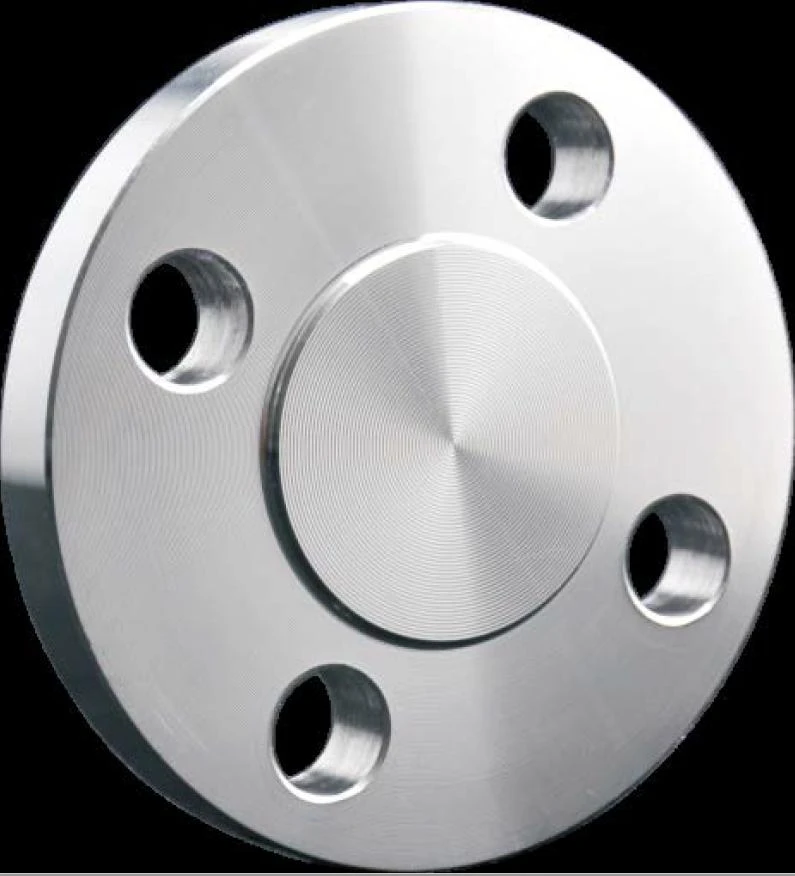
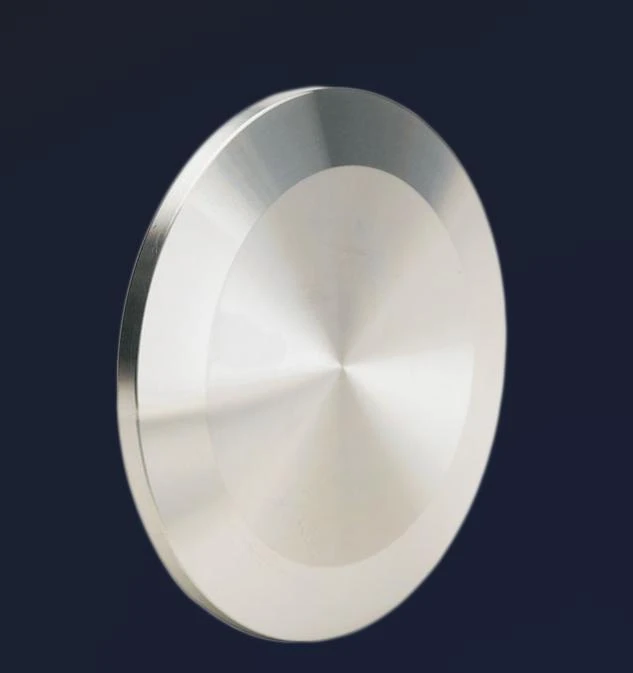
If you're interested in purchasing high-quality plate flanges or have any questions about welding methods, please don't hesitate to [contact us for procurement and negotiation]. We offer a wide range of plate flanges, including Blind Flange Plate, Stainless Steel Plate Flanges, and Carbon Steel Plate Flange. Our experienced team is ready to assist you with your flange needs.
References
- American Welding Society (AWS). Welding Handbook. 9th ed. Miami, FL: AWS, 2017.
- ASME Boiler and Pressure Vessel Code. Section IX: Welding and Brazing Qualifications. New York, NY: ASME, 2019.
- Welding Journal. "Welding Processes and Applications." American Welding Society, 2021.