




What welding methods are suitable for butt welding flanges?
 Dec 05, 2025|
Hey there! As a butt welding flange supplier, I often get asked about the best welding methods for butt welding flanges. It's a crucial topic because the right welding method can ensure the durability, strength, and safety of the flange joints. In this blog, I'll share some insights on the welding methods that are suitable for butt welding flanges.
Understanding Butt Welding Flanges
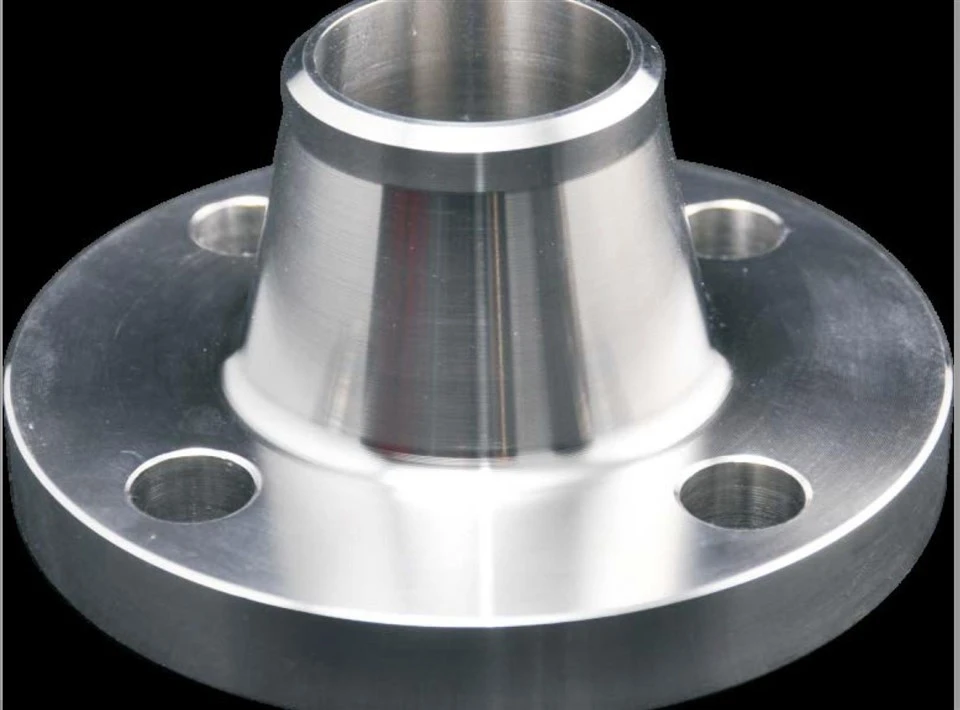
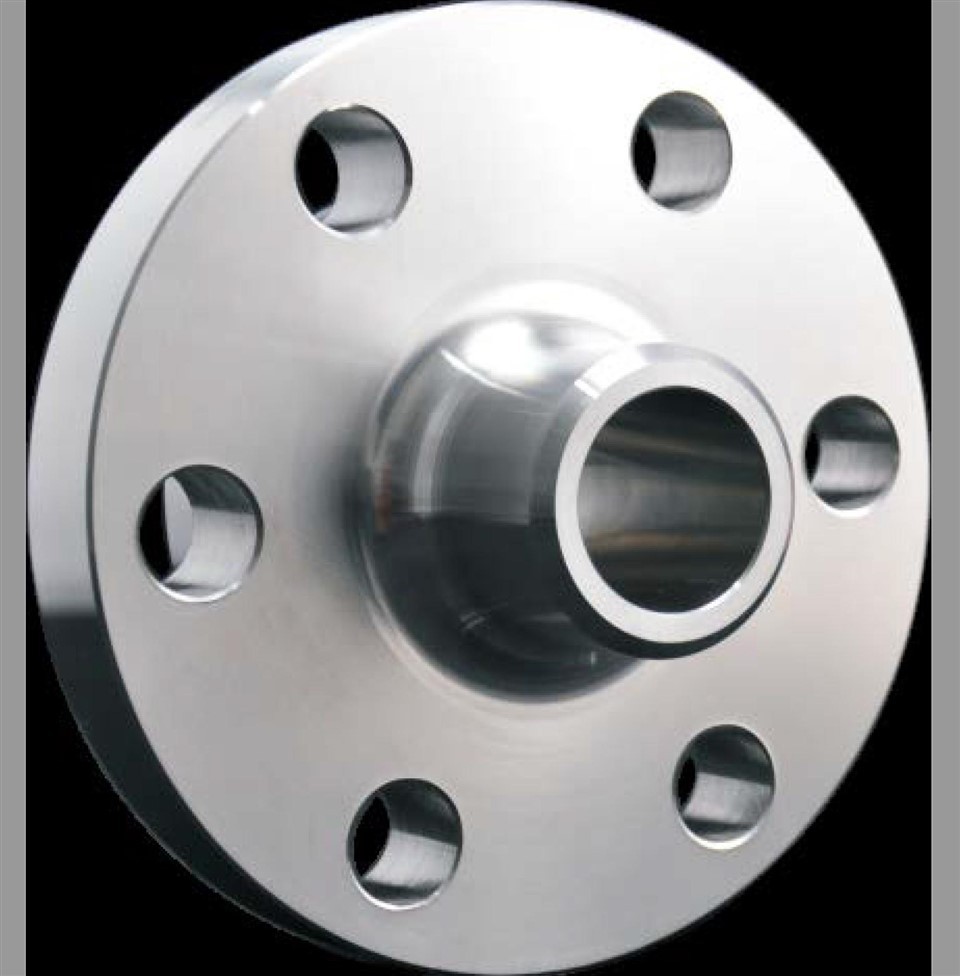
Before we dive into the welding methods, let's quickly go over what butt welding flanges are. Butt welding flanges are used to connect pipes, valves, and other equipment in a piping system. They have a long, tapered hub that is welded to the pipe, providing a strong and reliable connection. There are different types of butt welding flanges, such as ASME B16.5 WN, Butt Flange, and Forged Welding Neck, each with its own specific applications and requirements.
Suitable Welding Methods
Shielded Metal Arc Welding (SMAW)
Shielded Metal Arc Welding, also known as stick welding, is one of the most common and versatile welding methods for butt welding flanges. It uses a consumable electrode coated with flux to create an arc between the electrode and the workpiece. The flux protects the weld pool from atmospheric contamination, while the electrode provides the filler metal.
One of the advantages of SMAW is its simplicity and portability. It can be used in various environments, including outdoor and remote locations. It's also suitable for welding different types of metals, including carbon steel, stainless steel, and alloy steel. However, SMAW has some limitations. It has a relatively slow welding speed, and the quality of the weld depends on the skill of the welder.
Gas Tungsten Arc Welding (GTAW)
Gas Tungsten Arc Welding, or TIG welding, is another popular welding method for butt welding flanges. It uses a non-consumable tungsten electrode to create an arc, and an inert gas, such as argon, is used to shield the weld pool from oxidation. GTAW can produce high-quality, clean welds with excellent appearance and mechanical properties.
GTAW is particularly suitable for welding thin materials and materials that require precise control, such as stainless steel and aluminum. It also allows for better control of the heat input, which is important for preventing distortion and cracking. However, GTAW is a relatively slow and expensive welding method, and it requires a high level of skill and experience.
Gas Metal Arc Welding (GMAW)
Gas Metal Arc Welding, also known as MIG welding, uses a continuous consumable wire electrode and a shielding gas to create an arc between the electrode and the workpiece. GMAW is a fast and efficient welding method that can be used for welding a wide range of materials, including carbon steel, stainless steel, and aluminum.
One of the advantages of GMAW is its high welding speed and productivity. It can also produce high-quality welds with good penetration and fusion. However, GMAW requires a more complex equipment setup compared to SMAW, and it may not be suitable for welding in windy or outdoor environments.
Submerged Arc Welding (SAW)
Submerged Arc Welding is a high-productivity welding method that is commonly used for welding thick materials and large butt welding flanges. It uses a continuous wire electrode and a granular flux to create an arc that is submerged beneath the flux layer. The flux protects the weld pool from oxidation and provides a stable arc.
SAW can produce deep penetration welds with high deposition rates, making it ideal for welding thick sections. It also has a low heat input, which helps to reduce distortion and improve the mechanical properties of the weld. However, SAW requires a more complex equipment setup and is typically used in a fixed welding position.
Factors to Consider
When choosing a welding method for butt welding flanges, there are several factors to consider:
- Material Type: Different materials require different welding methods. For example, carbon steel can be welded using SMAW, GMAW, or SAW, while stainless steel and aluminum are often welded using GTAW.
- Thickness of the Flange: Thicker flanges may require a welding method with higher penetration and deposition rates, such as SAW. Thinner flanges may be better suited for GTAW or SMAW.
- Welding Position: Some welding methods are more suitable for certain welding positions than others. For example, SMAW can be used in all positions, while SAW is typically used in a flat or horizontal position.
- Quality Requirements: The quality requirements of the weld, such as strength, appearance, and corrosion resistance, will also influence the choice of welding method. For high-quality welds, GTAW may be the preferred choice.
- Cost and Productivity: The cost of the welding equipment, consumables, and labor, as well as the productivity of the welding method, are important considerations. For large-scale production, a high-productivity welding method like GMAW or SAW may be more cost-effective.
Conclusion
In conclusion, there are several welding methods that are suitable for butt welding flanges, each with its own advantages and limitations. The choice of welding method depends on various factors, such as the material type, thickness of the flange, welding position, quality requirements, and cost and productivity. As a butt welding flange supplier, I can provide you with the right flanges and offer advice on the most suitable welding method for your specific application.
If you're interested in purchasing butt welding flanges or have any questions about welding methods, feel free to reach out to me. I'd be happy to help you with your procurement needs and ensure that you get the best products and solutions for your projects.
References
- AWS Welding Handbook, Volume 1: Welding Science and Technology, American Welding Society
- Welding Metallurgy and Weldability of Stainless Steels, John C. Lippold and David J. Kotecki
- ASME Boiler and Pressure Vessel Code, Section IX: Welding and Brazing Qualifications, American Society of Mechanical Engineers