




What materials have good corrosion resistance for blind flanges?
 Dec 03, 2025|
Blind flanges are essential components in piping systems, used to seal the end of a pipe, valve, or vessel. They prevent the flow of fluids and gases, ensuring the integrity of the system. However, in many industrial environments, blind flanges are exposed to corrosive substances, which can compromise their performance and durability. Selecting the right materials with good corrosion resistance is crucial for the long - term reliability of blind flanges. As a blind flange supplier, I am well - versed in the various materials available and their suitability for different applications.
Stainless Steel
Stainless steel is one of the most popular materials for blind flanges due to its excellent corrosion resistance. It contains chromium, which forms a passive oxide layer on the surface of the steel. This layer acts as a barrier, preventing further oxidation and corrosion. The higher the chromium content, the better the corrosion resistance.
There are different grades of stainless steel, such as 304 and 316. Grade 304 stainless steel is a common choice for general - purpose applications. It has good corrosion resistance in most environments, including mild chemical and atmospheric conditions. For more aggressive environments, such as those containing chlorides or acids, grade 316 stainless steel is preferred. Grade 316 contains molybdenum, which enhances its resistance to pitting and crevice corrosion.
For example, in the food and beverage industry, where hygiene and corrosion resistance are of utmost importance, 304 stainless steel blind flanges are widely used. They can withstand the cleaning agents and mild acids used in the production process. In the marine industry, 316 stainless steel blind flanges are the go - to option because they can resist the corrosive effects of saltwater.
Alloy Steel
Alloy steel is another material with good corrosion resistance for blind flanges. Alloy steels are made by adding various alloying elements, such as nickel, chromium, and molybdenum, to carbon steel. These elements improve the mechanical properties and corrosion resistance of the steel.
One of the advantages of alloy steel is its high strength. It can withstand high pressures and temperatures, making it suitable for use in high - performance piping systems. For instance, in the oil and gas industry, where pipelines operate under high pressure and are exposed to corrosive substances like hydrogen sulfide, alloy steel blind flanges are commonly used.
However, alloy steel is more expensive than carbon steel, and its corrosion resistance may vary depending on the specific alloy composition. Proper selection of the alloy grade is essential to ensure optimal performance in a given environment.
Titanium
Titanium is a highly corrosion - resistant material. It has an extremely low corrosion rate in many aggressive environments, including seawater, chlorides, and strong acids. Titanium forms a stable oxide layer on its surface, which provides excellent protection against corrosion.
In the chemical processing industry, where blind flanges are exposed to highly corrosive chemicals, titanium blind flanges are often used. They can withstand the harsh conditions and ensure the long - term integrity of the piping system. However, titanium is relatively expensive compared to other materials, and its high cost may limit its use in some applications.
Nickel - Based Alloys
Nickel - based alloys are known for their outstanding corrosion resistance in a wide range of environments. Alloys such as Inconel and Hastelloy are commonly used for blind flanges in highly corrosive applications.
Inconel alloys have excellent resistance to high - temperature oxidation and corrosion. They are often used in aerospace and power generation industries, where blind flanges are exposed to high - temperature gases and corrosive environments. Hastelloy alloys, on the other hand, are highly resistant to acids, especially hydrochloric and sulfuric acids. They are widely used in the chemical and petrochemical industries.
Carbon Steel with Coating
Carbon steel is a cost - effective material for blind flanges, but it has poor corrosion resistance on its own. However, by applying a coating, the corrosion resistance of carbon steel can be significantly improved.
There are different types of coatings available, such as epoxy coatings, zinc coatings, and ceramic coatings. Epoxy coatings provide a protective barrier against moisture and chemicals. Zinc coatings, also known as galvanizing, work by sacrificing the zinc to protect the underlying steel. Ceramic coatings offer high - temperature resistance and excellent abrasion resistance in addition to corrosion protection.
For example, in some construction projects where cost is a major concern, carbon steel blind flanges with epoxy coatings are used. They can provide adequate corrosion protection in less aggressive environments. You can find more information about Carbon Steel Blind Flange on our website.
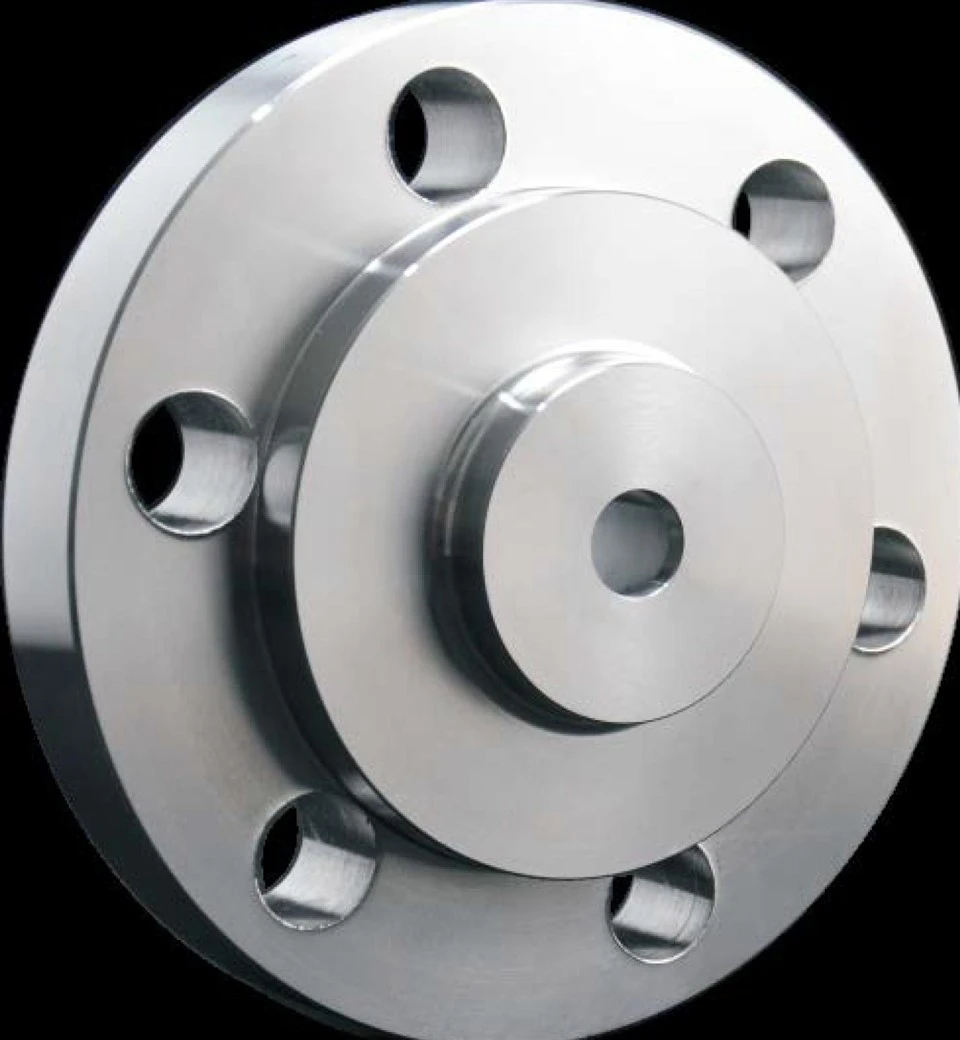

Comparison of Materials
When choosing the right material for blind flanges, several factors need to be considered, including the environment, cost, and mechanical requirements.
| Material | Corrosion Resistance | Cost | Strength | Application |
|---|---|---|---|---|
| Stainless Steel | Excellent in most environments | Moderate | Good | General industrial, food and beverage, marine |
| Alloy Steel | Good in aggressive environments | High | High | Oil and gas, high - performance systems |
| Titanium | Extremely high in aggressive environments | Very high | High | Chemical processing |
| Nickel - Based Alloys | Outstanding in specific corrosive environments | High | Good | Aerospace, chemical and petrochemical |
| Carbon Steel with Coating | Improved with coating | Low | Good | Construction, less aggressive environments |
Conclusion
Selecting the appropriate material for blind flanges is crucial to ensure their long - term performance and reliability. Each material has its own advantages and limitations, and the choice depends on the specific application and environment. As a blind flange supplier, we offer a wide range of blind flanges made from different materials, including Forged Blind Tapped Flange and Threaded Blind Flange.
If you are in need of high - quality blind flanges with excellent corrosion resistance, we are here to help. Our team of experts can assist you in selecting the right material for your specific requirements. Contact us for more information and to start a procurement discussion. We look forward to working with you to meet your piping system needs.
References
- ASM Handbook Volume 13A: Corrosion: Fundamentals, Testing, and Protection
- Pipe Flanges and Flanged Fittings: Design, Manufacturing, and Testing Standards
- Corrosion Engineering Handbook by Pierre R. Roberge