




What is the specific gravity of a blind flange plate?
 Sep 29, 2025|
 The specific gravity, also known as relative density, of a blind flange plate is a crucial property that can significantly influence its application, performance, and overall quality. As a leading supplier of blind flange plates, I am often asked about this very topic. In this blog post, I will delve into the concept of specific gravity, explain its importance in the context of blind flange plates, and provide some insights into how it varies depending on the material of the flange plate.
Understanding Specific Gravity
Specific gravity is defined as the ratio of the density of a substance to the density of a reference substance. For solids and liquids, the reference substance is usually water at a specified temperature, typically 4°C, where the density of water is 1 g/cm³. Therefore, if a material has a specific gravity of 2, it means that it is twice as dense as water.
The specific gravity of a material is a dimensionless quantity, which means it has no units. It is a fundamental physical property that can help us understand the behavior of a material under different conditions. For example, materials with a higher specific gravity are generally heavier and more resistant to wear and tear, while those with a lower specific gravity are lighter and more buoyant.
Importance of Specific Gravity in Blind Flange Plates
In the context of blind flange plates, specific gravity plays a vital role in several aspects:
1. Weight and Handling
The specific gravity of a blind flange plate directly affects its weight. Flange plates made from materials with a higher specific gravity will be heavier, which can impact handling, transportation, and installation. For example, if you are working on a project where weight is a critical factor, such as in offshore applications or aerospace industries, you may prefer to use flange plates with a lower specific gravity to reduce the overall weight of the structure.
2. Strength and Durability
Materials with a higher specific gravity often have better mechanical properties, such as strength and hardness. This means that blind flange plates made from these materials are more likely to withstand high pressures, temperatures, and mechanical stresses. For instance, in high-pressure pipelines or industrial equipment, flange plates with a higher specific gravity can provide a more reliable and durable connection.
3. Corrosion Resistance
The specific gravity of a material can also influence its corrosion resistance. Some materials with a higher specific gravity, such as stainless steel, have excellent corrosion resistance due to their chemical composition. This makes them suitable for use in harsh environments where corrosion is a major concern, such as in chemical processing plants or marine applications.
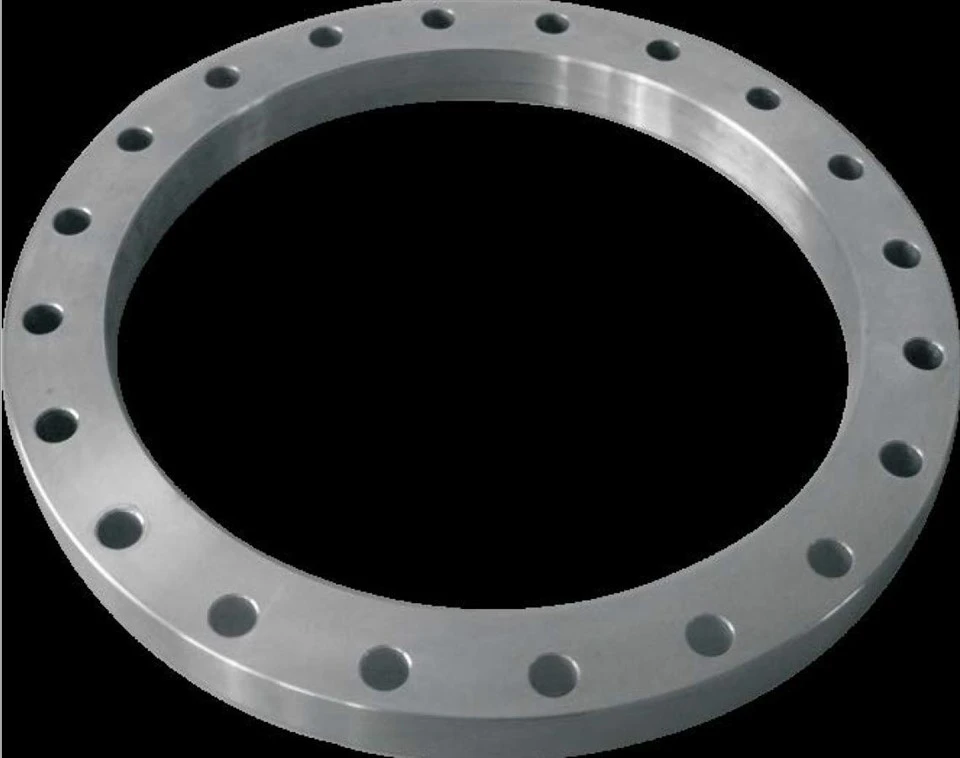
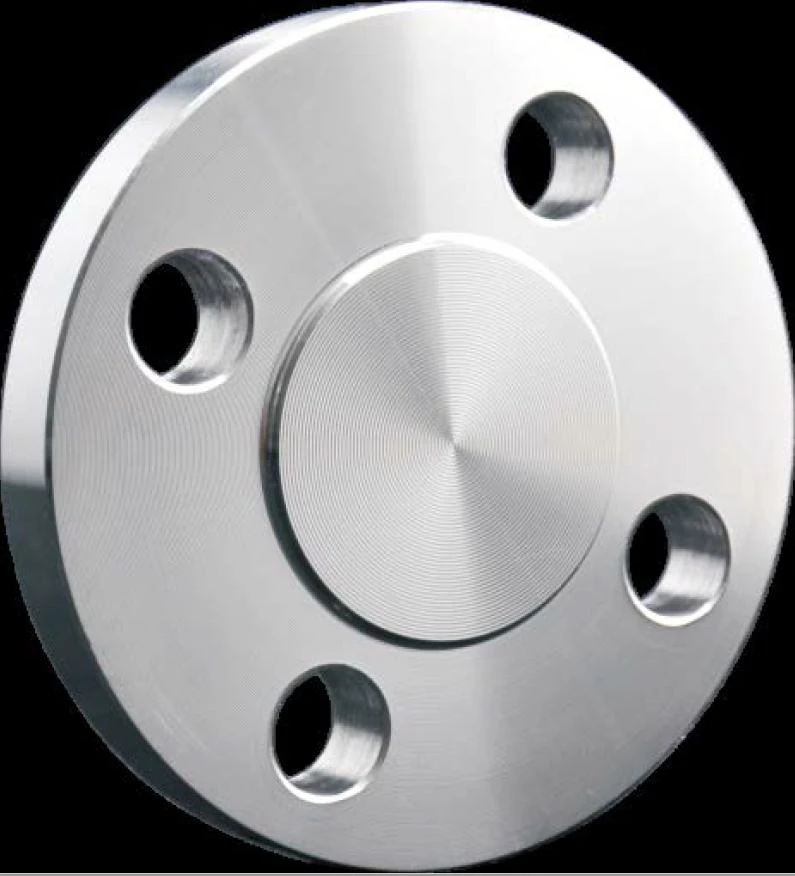
Specific Gravity of Different Materials Used in Blind Flange Plates
Blind flange plates can be made from a variety of materials, each with its own specific gravity. Here are some common materials used in the manufacturing of blind flange plates and their approximate specific gravities:
1. Carbon Steel
Carbon steel is one of the most widely used materials for blind flange plates due to its high strength, durability, and relatively low cost. The specific gravity of carbon steel typically ranges from 7.7 to 7.9 g/cm³. Carbon steel flange plates are suitable for a wide range of applications, including general industrial use, oil and gas pipelines, and power generation plants. You can explore more about Carbon Steel Plate Flange on our website.
2. Stainless Steel
Stainless steel is another popular choice for blind flange plates, especially in applications where corrosion resistance is required. The specific gravity of stainless steel varies depending on its composition, but it generally ranges from 7.75 to 8.05 g/cm³. Stainless steel flange plates are commonly used in the food and beverage industry, pharmaceutical industry, and marine applications. Check out our Stainless Steel Plate Flanges for more details.
3. Alloy Steel
Alloy steel is a type of steel that contains additional elements, such as chromium, nickel, and molybdenum, to enhance its mechanical properties. The specific gravity of alloy steel can vary widely depending on the composition, but it is typically in the range of 7.7 to 8.1 g/cm³. Alloy steel flange plates are often used in high-temperature and high-pressure applications, such as in power plants and refineries.
4. Cast Iron
Cast iron is a material that is known for its high strength and low cost. The specific gravity of cast iron is approximately 7.2 to 7.7 g/cm³. Cast iron flange plates are commonly used in plumbing systems, sewage treatment plants, and some industrial applications.
Factors Affecting the Specific Gravity of Blind Flange Plates
The specific gravity of a blind flange plate can be affected by several factors, including:
1. Material Composition
As mentioned earlier, the specific gravity of a material depends on its chemical composition. Different elements have different densities, so the specific gravity of a flange plate will vary depending on the type and amount of elements present in the material.
2. Manufacturing Process
The manufacturing process can also affect the specific gravity of a blind flange plate. For example, if the plate is cast, the density may be slightly different compared to a plate that is forged or machined. This is because the casting process can introduce some porosity or voids in the material, which can affect its overall density.
3. Heat Treatment
Heat treatment is a process used to improve the mechanical properties of a material. However, it can also affect the specific gravity of the material. For example, if a flange plate is heat-treated to increase its hardness, the density may change slightly due to the changes in the crystal structure of the material.
Measuring the Specific Gravity of Blind Flange Plates
There are several methods available for measuring the specific gravity of a blind flange plate. One common method is the Archimedes' principle, which involves measuring the weight of the plate in air and then in water. The difference in weight is used to calculate the volume of the plate, and the specific gravity can then be determined by dividing the weight of the plate in air by the weight of an equal volume of water.
Another method is to use a density meter, which is a device that measures the density of a material directly. Density meters are available in different types, such as pycnometers, hydrometers, and digital density meters. These devices can provide a more accurate and precise measurement of the specific gravity of a flange plate.
Conclusion
In conclusion, the specific gravity of a blind flange plate is an important property that can have a significant impact on its performance, application, and overall quality. As a supplier of blind flange plates, we understand the importance of providing our customers with high-quality products that meet their specific requirements. Whether you need a flange plate with a high specific gravity for high-pressure applications or a low specific gravity for weight-sensitive projects, we have a wide range of options available to choose from.
If you are interested in purchasing blind flange plates or have any questions about specific gravity or other properties of our products, please feel free to contact us. Our team of experts will be happy to assist you and provide you with the information and support you need. We look forward to working with you on your next project.
References
- Callister, W. D., & Rethwisch, D. G. (2011). Materials Science and Engineering: An Introduction. Wiley.
- ASME B16.5 - Pipe Flanges and Flanged Fittings. American Society of Mechanical Engineers.
- ASTM Standards - Various standards related to materials and testing methods. American Society for Testing and Materials.