




What is the pressure rating of a butt flange?
 Dec 10, 2025|
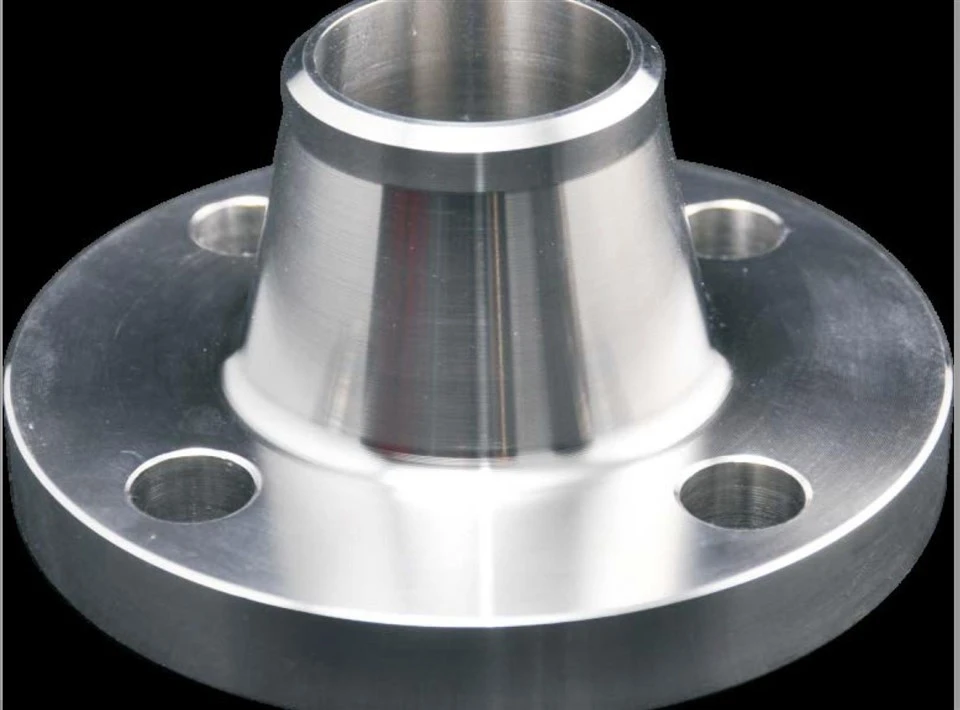
 As a supplier of Butt Flanges, I often encounter inquiries from customers about the pressure rating of these crucial components. Understanding the pressure rating of a butt flange is essential for ensuring the safety and efficiency of various industrial applications. In this blog post, I will delve into the concept of pressure rating, factors influencing it, and how it relates to the selection of the right butt flange for your project.
What is Pressure Rating?
The pressure rating of a butt flange refers to the maximum pressure that the flange can safely withstand under specific conditions. It is a critical parameter that determines the suitability of a flange for a particular application. Pressure ratings are typically expressed in pounds per square inch (psi) or megapascals (MPa). For example, a flange with a pressure rating of 150 psi can handle pressures up to 150 pounds per square inch without experiencing structural failure.
Factors Influencing Pressure Rating
Several factors influence the pressure rating of a butt flange. These include:
Material
The material used to manufacture the flange plays a significant role in determining its pressure rating. Different materials have different mechanical properties, such as strength and ductility, which affect their ability to withstand pressure. Common materials for butt flanges include carbon steel, stainless steel, and alloy steel. Each material has its own set of pressure ratings based on its composition and heat treatment.
Size
The size of the flange also affects its pressure rating. Generally, larger flanges have higher pressure ratings than smaller ones. This is because larger flanges have more material and a greater cross-sectional area, which allows them to distribute the pressure more evenly and withstand higher loads.
Temperature
Temperature is another important factor that can impact the pressure rating of a butt flange. As the temperature increases, the strength of the flange material decreases. Therefore, flanges designed for high-temperature applications typically have lower pressure ratings than those designed for normal-temperature applications. It is crucial to consider the operating temperature when selecting a flange to ensure that it can handle the pressure at the specified temperature.
Design
The design of the flange, including its shape, thickness, and bolt pattern, can also affect its pressure rating. Flanges with a thicker wall thickness and a more robust design are generally able to withstand higher pressures. Additionally, the bolt pattern and the number of bolts used to secure the flange can impact its ability to seal and withstand pressure.
Understanding Pressure Classes
In the industry, butt flanges are often classified into different pressure classes based on their pressure ratings. These pressure classes provide a standardized way to specify the pressure capabilities of flanges. The most common pressure classes for butt flanges are 150, 300, 400, 600, 900, 1500, and 2500. Each pressure class corresponds to a specific range of pressure ratings.
For example, a flange with a pressure class of 150 is designed to handle pressures up to 150 psi at a specific temperature. Similarly, a flange with a pressure class of 300 can handle pressures up to 300 psi. It is important to note that the pressure ratings within each pressure class may vary depending on the material, size, and other factors.
Selecting the Right Pressure Rating
When selecting a butt flange for your application, it is crucial to choose the right pressure rating. Here are some steps to help you make the right decision:
Determine the Operating Pressure
The first step is to determine the maximum operating pressure of your system. This can be done by analyzing the process requirements, such as the flow rate, temperature, and pressure of the fluid or gas being transported. It is important to consider any potential pressure fluctuations or surges that may occur during operation.
Consider the Temperature
As mentioned earlier, temperature can affect the pressure rating of a flange. Therefore, it is important to consider the operating temperature of your system when selecting a flange. Make sure to choose a flange with a pressure rating that is suitable for the expected temperature range.
Check the Pressure Class
Once you have determined the operating pressure and temperature, you can refer to the pressure class chart to select the appropriate pressure class for your flange. Make sure to choose a pressure class that provides a sufficient safety margin to account for any uncertainties or variations in the operating conditions.
Consult with an Expert
If you are unsure about which pressure rating to choose, it is always a good idea to consult with an expert. A qualified engineer or a flange supplier can provide you with valuable advice and guidance based on your specific application requirements.
Our Butt Flange Offerings
As a leading supplier of Butt Flange, we offer a wide range of products with different pressure ratings to meet the diverse needs of our customers. Our flanges are manufactured using high-quality materials and advanced manufacturing processes to ensure superior performance and reliability.
We offer ASME B16.5 WN flanges, which are designed and manufactured in accordance with the American Society of Mechanical Engineers (ASME) standards. These flanges are widely used in various industries, including oil and gas, chemical, and power generation.
In addition to standard butt flanges, we also offer Reducer Flange, which are used to connect pipes of different sizes. Our reducer flanges are available in a variety of sizes and pressure ratings to suit your specific requirements.
Contact Us for Your Flange Needs
If you are in the market for high-quality butt flanges with the right pressure rating for your application, look no further. Our team of experts is ready to assist you in selecting the perfect flange for your project. We offer competitive prices, excellent customer service, and fast delivery times.
Whether you need a single flange or a large quantity of flanges, we can meet your needs. Contact us today to discuss your requirements and get a quote. We look forward to working with you and providing you with the best flange solutions for your business.

References
- ASME B16.5 - Pipe Flanges and Flanged Fittings
- API 6A - Specification for Wellhead and Christmas Tree Equipment
- ANSI/ASME B31.3 - Process Piping