




What is the hardness of a blind flange plate?
 Dec 22, 2025|
What is the hardness of a blind flange plate?
As a supplier of Blind Flange Plates, I often encounter inquiries regarding the hardness of these crucial components. Understanding the hardness of a blind flange plate is essential for ensuring its performance, durability, and suitability for various applications. In this blog post, I will delve into the concept of hardness in blind flange plates, its significance, and the factors that influence it.
What is Hardness?
Hardness is a fundamental material property that measures a material's resistance to permanent deformation, such as indentation, scratching, or abrasion. In the context of blind flange plates, hardness plays a vital role in determining their ability to withstand mechanical stresses, pressure, and wear in different operating conditions.
There are several methods to measure hardness, with the most common ones being the Brinell, Rockwell, and Vickers hardness tests. Each test uses a different indenter and load to create an indentation on the material's surface, and the size of the indentation is then used to calculate the hardness value.
Significance of Hardness in Blind Flange Plates
The hardness of a blind flange plate has a direct impact on its performance and longevity. Here are some key reasons why hardness is crucial:
1. Wear Resistance
Blind flange plates are often exposed to abrasive materials, such as flowing fluids, particles, or gases. A higher hardness level enhances the plate's resistance to wear, reducing the risk of surface damage and ensuring a longer service life.
2. Pressure Resistance
In applications where blind flange plates are subjected to high pressure, hardness is essential to prevent deformation and leakage. A harder plate can better withstand the forces exerted by the pressure, maintaining its integrity and sealing performance.
3. Corrosion Resistance
Hardness can also influence a blind flange plate's resistance to corrosion. In some cases, a harder surface can provide a more protective barrier against corrosive substances, reducing the likelihood of rust and other forms of corrosion.
4. Machinability
The hardness of a blind flange plate affects its machinability, which is the ease with which it can be cut, drilled, or shaped. A plate with the appropriate hardness level can be machined more efficiently, reducing production time and costs.
Factors Affecting the Hardness of Blind Flange Plates
The hardness of a blind flange plate is influenced by several factors, including:
1. Material Composition
The type of material used to manufacture the blind flange plate is a primary determinant of its hardness. Different materials, such as Stainless Steel Plate Flanges and Carbon Steel Plate Flange, have different inherent hardness properties. For example, stainless steel is generally harder than carbon steel due to its alloying elements, such as chromium and nickel.
2. Heat Treatment
Heat treatment is a process used to modify the microstructure of a material, thereby altering its hardness. By subjecting the blind flange plate to specific heating and cooling cycles, manufacturers can increase or decrease its hardness as required. Common heat treatment methods include annealing, quenching, and tempering.
3. Manufacturing Process
The manufacturing process used to produce the blind flange plate can also affect its hardness. For instance, forging, rolling, or casting can introduce different levels of stress and grain structure in the material, which can impact its hardness. Additionally, the finishing operations, such as machining or grinding, can also influence the surface hardness of the plate.
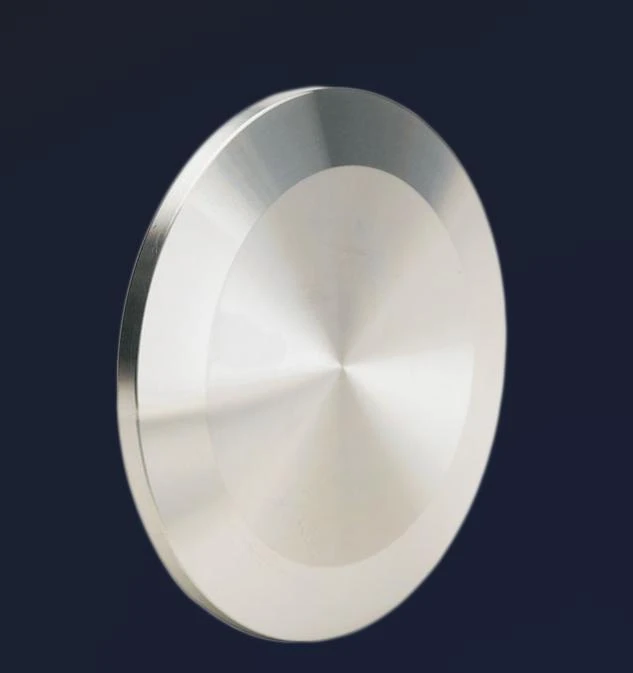
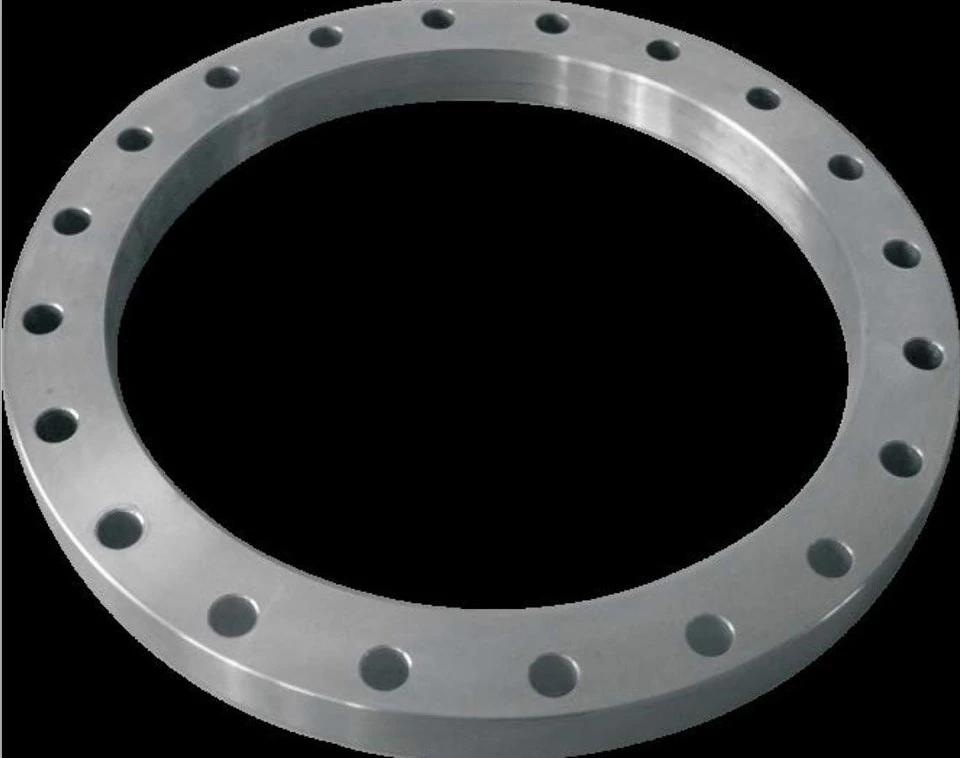
4. Surface Finish
The surface finish of a blind flange plate can have a minor effect on its hardness. A smooth surface finish can reduce the risk of surface defects and stress concentrations, which can improve the plate's overall hardness and performance.
Hardness Requirements for Different Applications
The hardness requirements for blind flange plates vary depending on the specific application. Here are some examples:
1. Oil and Gas Industry
In the oil and gas industry, blind flange plates are often used in high-pressure and high-temperature environments. These plates typically require a high level of hardness to withstand the extreme conditions and prevent leakage. For example, in offshore drilling operations, blind flange plates may need to have a hardness of at least 200 Brinell to ensure reliable performance.
2. Chemical Processing Industry
In the chemical processing industry, blind flange plates are exposed to corrosive chemicals and harsh environments. The hardness requirements for these plates depend on the type of chemical being processed and the operating conditions. Generally, stainless steel blind flange plates with a hardness of 150-250 Brinell are commonly used in chemical plants.
3. Water and Wastewater Treatment Plants
In water and wastewater treatment plants, blind flange plates are used to connect pipes and valves in the water distribution and treatment systems. These plates typically require a moderate level of hardness to resist wear and corrosion. A hardness of 120-200 Brinell is often sufficient for these applications.
Ensuring the Right Hardness for Your Blind Flange Plates
As a supplier of Blind Flange Plate, we understand the importance of providing high-quality products with the appropriate hardness for your specific needs. Here are some steps we take to ensure the right hardness:
1. Material Selection
We carefully select the materials for our blind flange plates based on the application requirements and the desired hardness level. We work with trusted suppliers to source high-quality materials that meet the industry standards.
2. Heat Treatment
We use advanced heat treatment processes to optimize the hardness of our blind flange plates. Our experienced technicians monitor the heat treatment parameters closely to ensure consistent and accurate results.
3. Quality Control
We have a rigorous quality control system in place to ensure that all our blind flange plates meet the specified hardness requirements. We conduct hardness testing using state-of-the-art equipment to verify the hardness of each plate before it is shipped to our customers.
Conclusion
The hardness of a blind flange plate is a critical factor that affects its performance, durability, and suitability for different applications. By understanding the concept of hardness, its significance, and the factors that influence it, you can make informed decisions when selecting blind flange plates for your projects. As a reliable supplier of blind flange plates, we are committed to providing high-quality products with the right hardness to meet your specific needs. If you have any questions or need assistance in choosing the appropriate blind flange plates, please feel free to contact us. We look forward to working with you and helping you find the best solutions for your applications.
References
- ASME B16.5 - Pipe Flanges and Flanged Fittings
- ASTM A105 - Standard Specification for Carbon Steel Forgings for Piping Applications
- ASTM A350 - Standard Specification for Carbon and Low-Alloy Steel Forgings, Requiring Notch Toughness Testing for Piping Components