




What is the difference between a slip - on plate flange and a threaded plate flange?
 Oct 09, 2025|
 Hey there! As a plate flange supplier, I often get asked about the differences between slip - on plate flanges and threaded plate flanges. So, I thought I'd put together this blog post to break it all down for you.
Let's start with slip - on plate flanges. These bad boys are pretty popular in the industry. A slip - on plate flange is designed to slide over the end of a pipe. It has a slightly larger inner diameter than the outer diameter of the pipe it's meant to be used with. This makes installation a breeze. You just slip it onto the pipe, align it, and then weld it in place. The welding is usually done on both the inside and outside of the flange to ensure a strong and leak - proof connection.
One of the big advantages of slip - on plate flanges is their cost - effectiveness. They're generally less expensive to manufacture compared to some other types of flanges. This means that if you're working on a project with a tight budget, slip - on plate flanges can be a great option. They're also relatively easy to install, which can save you on labor costs.
Another plus is their versatility. Slip - on plate flanges can be used in a wide range of applications, from low - pressure to medium - pressure systems. They're commonly found in water supply systems, HVAC systems, and some industrial piping systems.
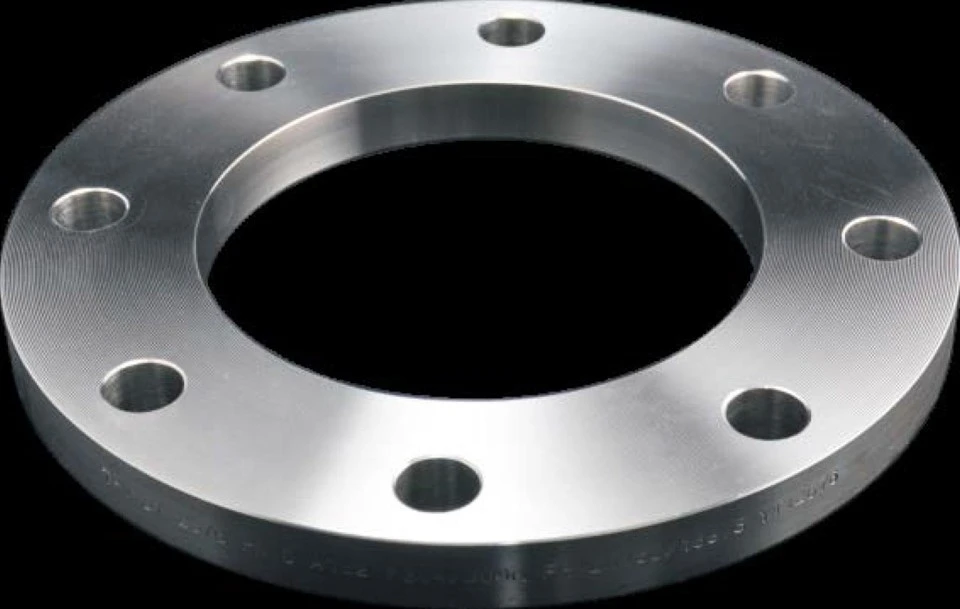
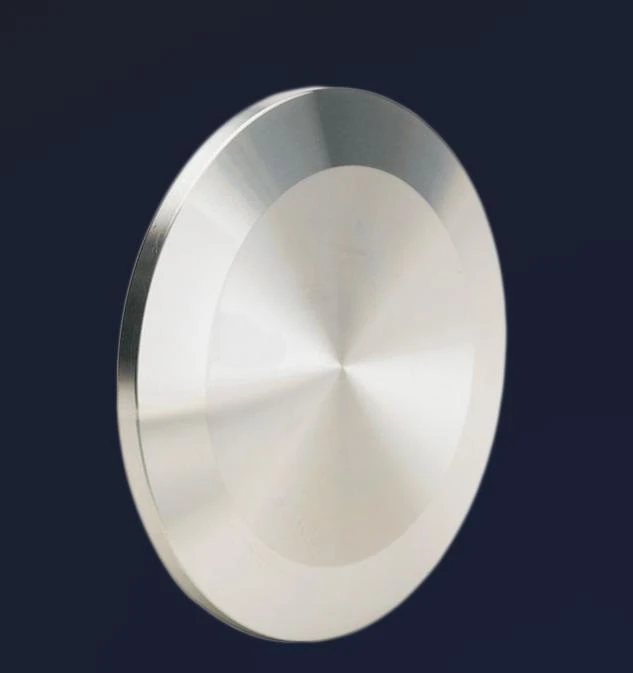
Now, let's talk about threaded plate flanges. A threaded plate flange has internal threads that match the external threads on the end of a pipe. Instead of welding, you simply screw the flange onto the pipe. This makes installation even quicker in some cases, especially if you don't have access to welding equipment or if welding isn't allowed in a particular environment.
Threaded plate flanges are great for applications where you might need to disassemble the connection frequently. For example, in some maintenance - heavy industries, being able to easily unscrew the flange and remove a section of pipe can save a lot of time and effort. They're also a good choice for small - diameter pipes, as the threading provides a secure connection without the need for welding.
However, threaded plate flanges do have some limitations. They're not suitable for high - pressure applications. The threaded connection can be a weak point under high pressure, and there's a risk of leakage. Also, the threading process can be more expensive than the manufacturing process for slip - on flanges, especially for larger - diameter pipes.
When it comes to materials, both slip - on and threaded plate flanges can be made from a variety of materials, such as carbon steel, stainless steel, and alloy steel. The choice of material depends on the specific application, the type of fluid or gas being transported, and the environmental conditions.
In terms of appearance, slip - on plate flanges usually have a smooth, flat surface, while threaded plate flanges have the visible threads on the inside. This can also be a factor to consider if aesthetics are important in your project.
Now, let's compare the two in a bit more detail.
Installation
As I mentioned earlier, slip - on plate flanges require welding. This means you need to have skilled welders on hand, and the welding process can take some time. You also need to ensure that the welding is done correctly to avoid any issues with leaks or structural integrity. On the other hand, threaded plate flanges can be installed by anyone with basic plumbing skills. You just need to make sure the threads are clean and properly aligned before screwing the flange on.
Pressure Rating
Slip - on plate flanges can handle medium - pressure applications well. With proper welding and installation, they can provide a reliable connection in systems with pressures ranging from a few psi to several hundred psi. Threaded plate flanges, however, are typically limited to low - pressure applications, usually up to around 150 psi.
Cost
In general, slip - on plate flanges are more cost - effective for large - scale projects. The manufacturing process is simpler, and the cost of materials is often lower. Threaded plate flanges can be more expensive, especially for larger sizes, due to the threading process.
Maintenance
If you need to make changes or repairs to your piping system, slip - on plate flanges can be a bit more of a hassle. You'll need to cut the welds, remove the flange, and then re - weld it when you're done. Threaded plate flanges, on the other hand, can be easily removed and reinstalled, which makes maintenance a lot easier.
If you're interested in Threaded Flange Plate, we have a great selection available. We also offer Blind Flange Plate for applications where you need to close off the end of a pipe, and Forged Orifice Flanges for precise flow measurement.
So, which one should you choose? It really depends on your specific needs. If you're working on a low - pressure system and need easy disassembly, threaded plate flanges might be the way to go. If you're dealing with medium - pressure applications and want a more permanent, reliable connection, slip - on plate flanges are probably a better choice.
If you're still not sure which type of plate flange is right for your project, don't hesitate to reach out. We're here to help you make the best decision. Whether you need a small quantity for a DIY project or a large order for an industrial application, we can provide you with high - quality plate flanges at competitive prices.
Contact us today to discuss your requirements and get a quote. We look forward to working with you!
References:
- Industry standards and guidelines for plate flanges
- Technical literature from flange manufacturers