




What is the difference between a ring joint face and a flat face blind flange?
 Oct 06, 2025|
 In the world of industrial piping systems, blind flanges play a crucial role in sealing the ends of pipes, valves, and other equipment. As a dedicated blind flange supplier, I often encounter inquiries about the differences between various types of blind flanges, particularly the ring joint face (RJF) and flat face (FF) blind flanges. Understanding these differences is essential for selecting the right flange for your specific application, ensuring optimal performance and safety.
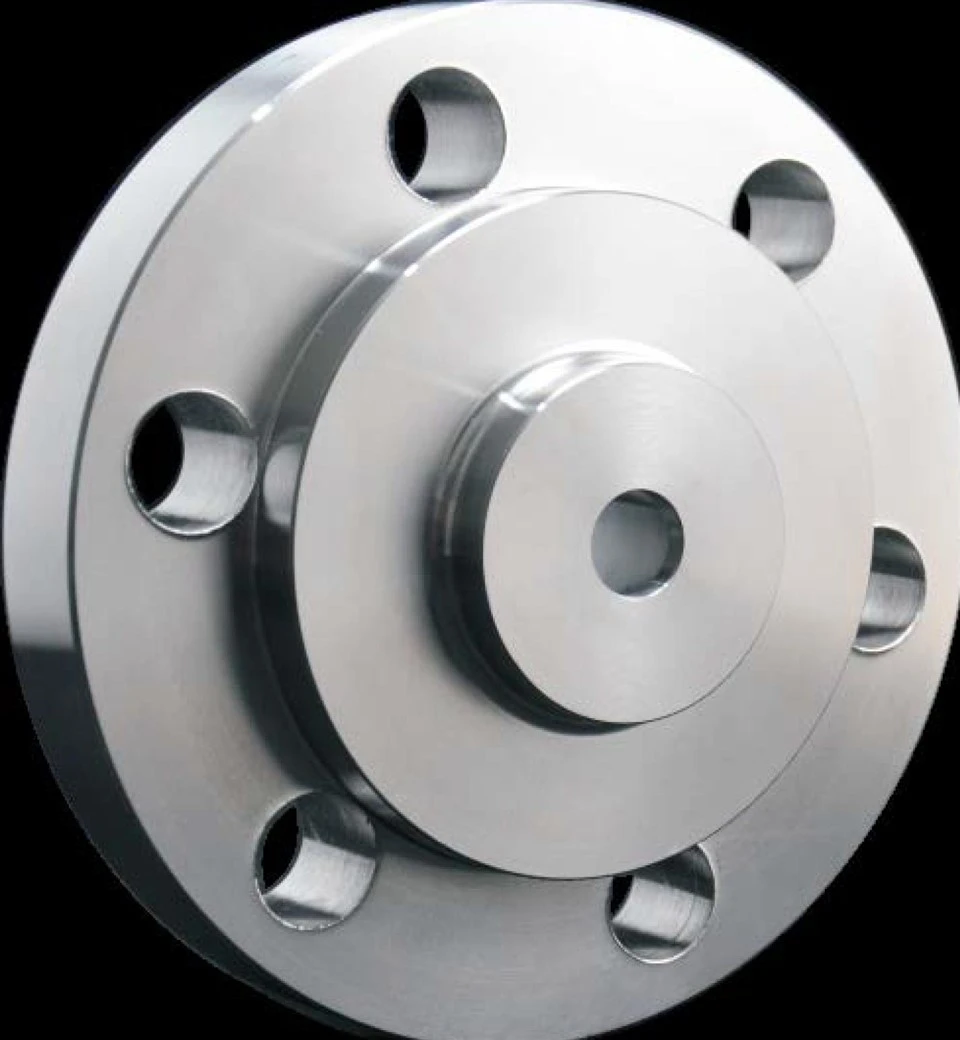

Ring Joint Face (RJF) Blind Flange
The ring joint face blind flange is characterized by a grooved surface designed to accommodate a metal ring gasket. This type of flange is commonly used in high-pressure and high-temperature applications, such as in the oil and gas, petrochemical, and power generation industries.
Design and Function
The groove on the ring joint face is typically oval or octagonal in shape, which corresponds to the shape of the ring gasket. When the flange is bolted together, the ring gasket is compressed into the groove, creating a tight and reliable seal. The metal-to-metal contact between the gasket and the flange groove provides excellent resistance to leakage, even under extreme operating conditions.
Advantages
- High Pressure and Temperature Resistance: The ring joint face design allows for a strong and secure seal, making it suitable for applications with high pressures and temperatures.
- Leakage Prevention: The metal ring gasket provides a superior seal compared to other types of gaskets, reducing the risk of leakage and ensuring the integrity of the piping system.
- Durability: The metal construction of the ring gasket and the flange itself makes them highly resistant to corrosion and wear, resulting in a longer service life.
Applications
- Oil and Gas Industry: Ring joint face blind flanges are commonly used in offshore platforms, refineries, and pipelines to seal high-pressure and high-temperature fluid systems.
- Petrochemical Industry: They are also widely used in chemical processing plants to prevent the leakage of hazardous chemicals.
- Power Generation Industry: In power plants, ring joint face blind flanges are used in steam and water systems to ensure the efficient and safe operation of the equipment.
Flat Face (FF) Blind Flange
The flat face blind flange, as the name suggests, has a flat surface without any grooves. It is typically used in low-pressure and non-critical applications, such as in water supply systems, HVAC systems, and general industrial piping.
Design and Function
The flat face of the flange provides a smooth surface for the gasket to rest on. When the flange is bolted together, the gasket is compressed between the two flat faces, creating a seal. The type of gasket used with a flat face blind flange can vary depending on the application, but common materials include rubber, cork, and fiber.
Advantages
- Cost-Effective: Flat face blind flanges are generally less expensive than ring joint face blind flanges, making them a more economical choice for low-pressure applications.
- Easy Installation: The flat surface of the flange makes it easier to install and align, reducing the installation time and cost.
- Versatility: Flat face blind flanges can be used with a variety of gaskets, allowing for flexibility in different applications.
Applications
- Water Supply Systems: Flat face blind flanges are commonly used in water treatment plants, distribution networks, and plumbing systems to seal pipes and valves.
- HVAC Systems: They are also used in heating, ventilation, and air conditioning systems to connect ducts and pipes.
- General Industrial Piping: In various industrial settings, flat face blind flanges are used to seal non-critical piping systems.
Key Differences between RJF and FF Blind Flanges
Seal Mechanism
- RJF: The ring joint face blind flange uses a metal ring gasket that is compressed into a groove, creating a metal-to-metal seal.
- FF: The flat face blind flange uses a gasket that is compressed between two flat surfaces, creating a seal based on the gasket material's elasticity.
Pressure and Temperature Rating
- RJF: Ring joint face blind flanges are designed to withstand high pressures and temperatures, typically ranging from 150 to 2500 psi and up to 1000°F.
- FF: Flat face blind flanges are suitable for low-pressure and low-temperature applications, usually up to 150 psi and 400°F.
Gasket Material
- RJF: The metal ring gasket used with ring joint face blind flanges is typically made of materials such as stainless steel, carbon steel, or alloy steel.
- FF: The gasket used with flat face blind flanges can be made of various materials, including rubber, cork, fiber, and PTFE.
Cost
- RJF: Ring joint face blind flanges are generally more expensive than flat face blind flanges due to their complex design and the use of metal ring gaskets.
- FF: Flat face blind flanges are more cost-effective, making them a popular choice for budget-conscious projects.
Choosing the Right Blind Flange
When selecting between a ring joint face and a flat face blind flange, several factors need to be considered:
- Operating Conditions: The pressure, temperature, and fluid characteristics of the application will determine the appropriate flange type. High-pressure and high-temperature applications require the use of ring joint face blind flanges, while low-pressure and non-critical applications can use flat face blind flanges.
- Gasket Compatibility: The type of gasket used with the flange must be compatible with the fluid being transported and the operating conditions.
- Cost: The budget for the project will also play a role in the selection process. If cost is a major concern, flat face blind flanges may be the preferred choice.
As a blind flange supplier, I offer a wide range of Threaded Blind Flange, Forged Blind Hub Flange, and Forged Blind Tapped Flange to meet the diverse needs of our customers. Our products are manufactured to the highest quality standards and are available in various sizes, materials, and pressure ratings.
If you are unsure which type of blind flange is suitable for your application, our team of experts is here to help. We can provide technical advice and guidance to ensure that you select the right flange for your project. Contact us today to discuss your requirements and start the procurement process.
References
- "Piping Handbook" by Mohit Jain
- "Flange Design and Engineering" by John P. Carmody
- "Industrial Piping Systems" by Thomas E. Brown