




What is the cost of plate flanges?
 Oct 10, 2025|
Hey there! I'm a supplier of plate flanges, and today I wanna chat about the cost of plate flanges. Plate flanges are essential components in many industries, like oil and gas, chemical, and water treatment. They're used to connect pipes, valves, and other equipment, providing a secure and leak - tight joint. But what exactly goes into the cost of these plate flanges? Let's dig in.
Material Costs
The first and most obvious factor in the cost of plate flanges is the material. Different materials have different prices, and the choice of material depends on the application.
- Carbon Steel Plate Flange: Carbon steel is one of the most commonly used materials for plate flanges. It's relatively inexpensive, strong, and can withstand high pressures and temperatures. You can check out our Carbon Steel Plate Flange for more details. The cost of carbon steel depends on the quality and grade. Higher - grade carbon steel with better corrosion resistance and mechanical properties will cost more. For example, a basic carbon steel plate flange might cost around $10 - $50, depending on the size. But if you need a special grade for a harsh environment, the price could go up to $100 or more.
- Stainless Steel: Stainless steel is more expensive than carbon steel because of its corrosion - resistant properties. It contains chromium, which forms a passive layer on the surface, protecting it from rust and corrosion. Stainless steel plate flanges are often used in applications where hygiene and corrosion resistance are crucial, like the food and beverage industry or marine applications. The cost of stainless steel plate flanges can range from $50 - $200 or more, depending on the grade and size.
- Alloy Steel: Alloy steel is made by adding other elements like nickel, molybdenum, or vanadium to carbon steel. This improves its strength, toughness, and heat resistance. Alloy steel plate flanges are used in high - stress applications, such as power generation or aerospace. They're more expensive than carbon steel and stainless steel, with prices starting from $100 and going up significantly depending on the alloy composition and size.
Size and Dimensions
The size and dimensions of the plate flange also play a big role in determining the cost. Larger flanges require more material, which means higher material costs. Additionally, the manufacturing process for larger flanges can be more complex and time - consuming.
- Diameter: The diameter of the flange is a major factor. A small - diameter flange, say 1 - 2 inches, will be much cheaper than a large - diameter flange, like 24 inches or more. For example, a 2 - inch carbon steel plate flange might cost around $15, while a 24 - inch carbon steel plate flange could cost $500 or more.
- Thickness: Thicker flanges are stronger and can withstand higher pressures. However, they also require more material, so they're more expensive. A thin - walled flange might cost less than a thick - walled one of the same size.
Manufacturing Process
The manufacturing process of the plate flange affects the cost as well.
- Forging: Forged plate flanges are made by heating a metal billet and then shaping it using a forging press. This process creates a dense and uniform structure, which makes the flange stronger and more reliable. However, forging is a labor - intensive and energy - consuming process, so forged plate flanges are more expensive than those made by other methods. The cost of a forged plate flange can be 2 - 3 times higher than a cast or welded flange of the same size and material.
- Casting: Casting involves pouring molten metal into a mold and letting it solidify. It's a relatively simple and cost - effective method for making plate flanges, especially for complex shapes. However, cast flanges may have some internal defects, such as porosity, which can affect their strength and performance. Cast plate flanges are generally cheaper than forged flanges but more expensive than welded flanges.
- Welding: Welded plate flanges are made by welding a plate to a pipe or other component. This is a quick and inexpensive method, but it may not be as strong as forged or cast flanges. Welded flanges are often used in low - pressure applications.
Quantity
The quantity of plate flanges you order also impacts the cost. If you order a large quantity, you can usually get a better price per unit. This is because suppliers can take advantage of economies of scale. For example, if you order 100 plate flanges, the cost per flange might be $20. But if you order 1000, the cost per flange could drop to $15.
Market Conditions
The cost of plate flanges is also affected by market conditions. The prices of raw materials like steel can fluctuate due to factors such as supply and demand, global economic conditions, and trade policies. For example, if there's a shortage of steel in the market, the price of plate flanges will go up. On the other hand, if there's an oversupply, the prices may drop.
Types of Plate Flanges
Different types of plate flanges have different costs.
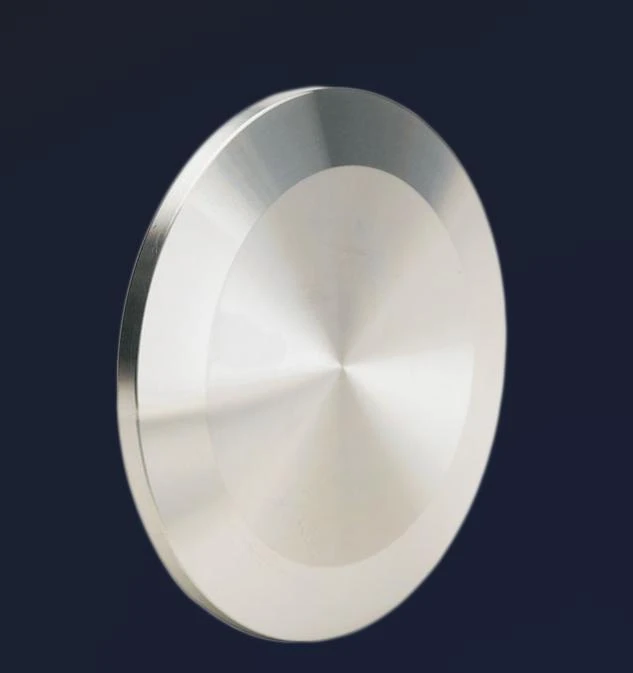
- Blind Flange Plate: A Blind Flange Plate is used to close the end of a pipe or valve. It doesn't have a center hole, so it's relatively simple to manufacture. The cost of a blind flange plate is usually lower than other types of flanges of the same size and material. A small - sized carbon steel blind flange plate might cost around $10 - $20.
- Threaded Flange Plate: Threaded Flange Plate has internal threads, which allows it to be easily screwed onto a pipe. The manufacturing process for threaded flanges is a bit more complex than for plain plate flanges, so they're usually a bit more expensive. A small - sized carbon steel threaded flange plate could cost around $15 - $30.
Quality and Standards
Meeting certain quality standards can also increase the cost of plate flanges. Flanges that meet international standards like ASME, DIN, or JIS are more expensive because they require more strict quality control during the manufacturing process. These standards ensure that the flanges are safe, reliable, and compatible with other components.

In conclusion, the cost of plate flanges is determined by a variety of factors, including material, size, manufacturing process, quantity, market conditions, type, and quality. As a plate flange supplier, I understand that you want the best value for your money. That's why we offer a wide range of plate flanges at competitive prices. Whether you need a small carbon steel plate flange or a large stainless steel alloy flange, we've got you covered.
If you're interested in purchasing plate flanges, feel free to contact us for a quote. We can help you choose the right flange for your application and provide you with the best price possible. Let's start a conversation and see how we can work together to meet your needs.
References
- "Handbook of Flanges and Flanged Joints" by Bickford, John H.
- "Piping Handbook" by Nayyar, P. K.