




What are the sealing methods for blind flange plates?
 Oct 21, 2025|
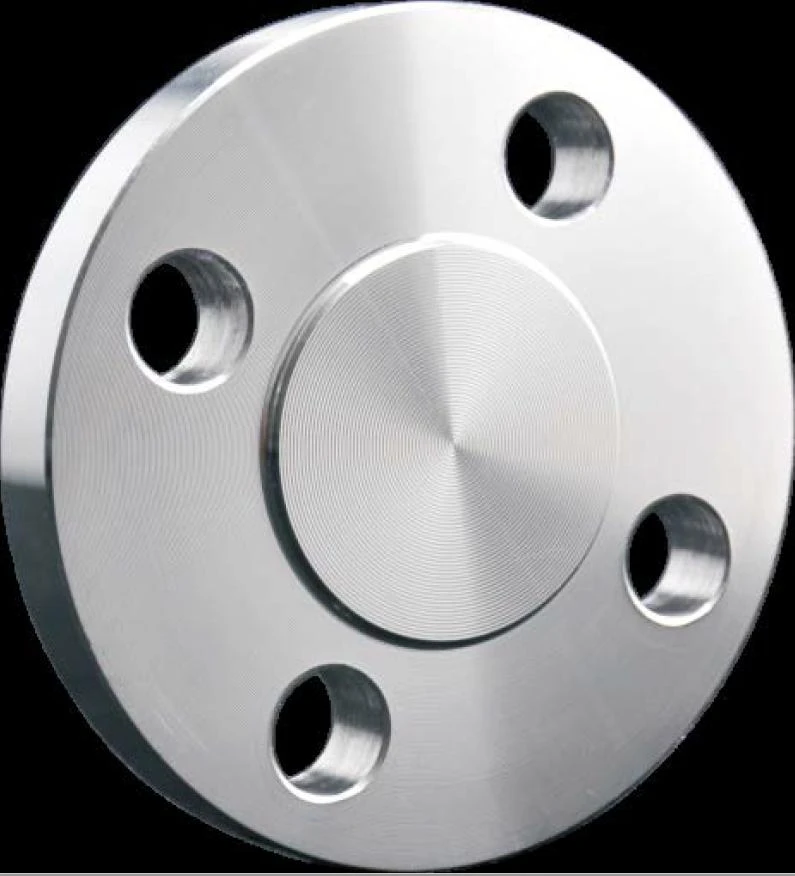
As a trusted supplier of Blind Flange Plates, I've witnessed firsthand the critical role these components play in various industries. Blind flange plates are used to seal the end of a pipe, valve, or vessel, preventing the flow of fluids or gases. The effectiveness of the sealing method employed is paramount to the overall performance and safety of the system. In this blog post, I'll explore the different sealing methods for blind flange plates, providing insights into their applications, advantages, and limitations.
Gasket Sealing
Gasket sealing is one of the most common methods used to seal blind flange plates. A gasket is a mechanical seal that fills the space between two or more mating surfaces, preventing leakage. Gaskets are available in a variety of materials, including rubber, metal, and composite materials, each with its own unique properties and applications.
Rubber Gaskets
Rubber gaskets are widely used due to their flexibility, durability, and resistance to a wide range of chemicals and temperatures. They are suitable for low to medium-pressure applications and are commonly used in the water, wastewater, and chemical industries. Rubber gaskets are available in different types, such as neoprene, EPDM, and nitrile, each offering specific resistance properties.
Metal Gaskets
Metal gaskets are used in high-pressure and high-temperature applications where rubber gaskets may not be suitable. They are typically made of materials such as stainless steel, copper, or aluminum, and are designed to withstand extreme conditions. Metal gaskets provide excellent sealing performance and are commonly used in the oil and gas, power generation, and petrochemical industries.
Composite Gaskets
Composite gaskets combine the properties of rubber and metal to provide a high-performance sealing solution. They are typically made of a metal core with a rubber or elastomeric coating, offering the flexibility of rubber and the strength of metal. Composite gaskets are suitable for a wide range of applications and are commonly used in the automotive, aerospace, and food processing industries.
O-Ring Sealing
O-ring sealing is another popular method used to seal blind flange plates. An O-ring is a circular rubber seal that is placed in a groove between two mating surfaces to create a seal. O-rings are available in a variety of materials, including nitrile, EPDM, and silicone, each offering specific resistance properties.
Advantages of O-Ring Sealing
- Excellent Sealing Performance: O-rings provide a reliable and effective seal, even under high pressure and temperature conditions.
- Easy Installation: O-rings are easy to install and can be replaced quickly and easily if necessary.
- Cost-Effective: O-rings are relatively inexpensive compared to other sealing methods, making them a cost-effective solution for many applications.
Limitations of O-Ring Sealing
- Limited Temperature and Pressure Range: O-rings have a limited temperature and pressure range, and may not be suitable for high-temperature or high-pressure applications.
- Susceptible to Chemical Attack: O-rings may be susceptible to chemical attack, depending on the material used and the chemicals present in the system.
Threaded Sealing
Threaded sealing is a method used to seal blind flange plates by screwing the flange onto the pipe or vessel. Threaded connections are commonly used in low-pressure applications and are suitable for small-diameter pipes.
Advantages of Threaded Sealing
- Easy Installation: Threaded connections are easy to install and can be made quickly and easily using standard tools.
- Cost-Effective: Threaded connections are relatively inexpensive compared to other sealing methods, making them a cost-effective solution for many applications.
Limitations of Threaded Sealing
- Limited Pressure Range: Threaded connections have a limited pressure range and may not be suitable for high-pressure applications.
- Susceptible to Leakage: Threaded connections may be susceptible to leakage if not installed correctly or if the threads are damaged.
Welded Sealing
Welded sealing is a method used to seal blind flange plates by welding the flange to the pipe or vessel. Welded connections are commonly used in high-pressure and high-temperature applications where a permanent and leak-proof seal is required.
Advantages of Welded Sealing
- Excellent Sealing Performance: Welded connections provide a permanent and leak-proof seal, even under extreme conditions.
- High Strength: Welded connections are strong and can withstand high pressure and temperature conditions.
Limitations of Welded Sealing
- Difficult Installation: Welded connections require specialized equipment and skills to install, and may not be suitable for all applications.
- Irreversible: Welded connections are irreversible, and once the flange is welded to the pipe or vessel, it cannot be removed without cutting or damaging the flange or pipe.
Choosing the Right Sealing Method
Choosing the right sealing method for your blind flange plates depends on several factors, including the application, the pressure and temperature conditions, the type of fluid or gas being sealed, and the budget. Here are some tips to help you choose the right sealing method:
- Consider the Application: The application will determine the type of sealing method required. For example, if the application involves high pressure and temperature conditions, a metal gasket or welded sealing method may be required.
- Evaluate the Pressure and Temperature Conditions: The pressure and temperature conditions will also affect the choice of sealing method. For example, if the application involves high pressure and temperature conditions, a metal gasket or welded sealing method may be required.
- Consider the Type of Fluid or Gas Being Sealed: The type of fluid or gas being sealed will also affect the choice of sealing method. For example, if the fluid or gas is corrosive, a rubber gasket or O-ring made of a corrosion-resistant material may be required.
- Evaluate the Budget: The budget will also play a role in the choice of sealing method. For example, if the budget is limited, a rubber gasket or threaded sealing method may be a more cost-effective solution.
Conclusion
In conclusion, choosing the right sealing method for your blind flange plates is crucial to the overall performance and safety of the system. Gasket sealing, O-ring sealing, threaded sealing, and welded sealing are all effective methods for sealing blind flange plates, each with its own unique advantages and limitations. By considering the application, the pressure and temperature conditions, the type of fluid or gas being sealed, and the budget, you can choose the right sealing method for your specific needs.
If you're in the market for high-quality Blind Flange Plates or need assistance in choosing the right sealing method for your application, please don't hesitate to contact us. Our team of experts is here to help you find the best solution for your needs.

References
- ASME B16.5 - Pipe Flanges and Flanged Fittings
- API 6A - Specification for Wellhead and Christmas Tree Equipment
- ISO 7005-1 - Metallic Flanges - Part 1: Steel Flanges