




What are the installation steps of a threaded flange plate?
 Nov 26, 2025|
Hey there! As a supplier of Threaded Flange Plates, I often get asked about the installation steps. So, I thought I'd share a detailed guide on how to install these nifty components.
First off, let's talk a bit about what a Threaded Flange Plate is. It's a type of flange plate that has threads on the inside. These threads allow it to be screwed onto a pipe or fitting, providing a secure and leak - proof connection. You can find more about them on our Threaded Flange Plate page.
Step 1: Preparation
Before you start the installation, you've got to make sure you have all the necessary tools and materials. You'll need a wrench, a pipe cutter (if you need to cut the pipe to the right length), a thread sealant, and of course, the Threaded Flange Plate itself. Also, check the pipe and the flange plate for any damage. If there are any cracks or dents, it's best to replace them.
Inspect the threads on both the pipe and the flange plate. They should be clean and free of debris. If there's any rust or dirt, use a wire brush to clean them up. This will ensure a smooth installation process and a tight connection.
Step 2: Measuring and Cutting the Pipe
If the pipe is too long, you'll need to cut it to the appropriate length. Measure the distance between the points where the flange plate will be installed. Mark the pipe at the correct length using a marker or a piece of tape.
Then, use a pipe cutter to make a clean cut. Make sure the cut is perpendicular to the pipe's axis. A crooked cut can cause problems when installing the flange plate and may lead to leaks. After cutting, use a file to smooth the edges of the pipe to prevent any sharp edges from damaging the thread sealant or the flange plate.
Step 3: Applying Thread Sealant
Thread sealant is crucial for preventing leaks. Apply a thin layer of thread sealant to the male threads of the pipe. Make sure to cover all the threads evenly. You can use a brush or your finger to apply the sealant.
Don't over - apply the sealant, as it can get into the pipe and cause blockages. The goal is to create a tight seal between the pipe and the flange plate. There are different types of thread sealants available, such as Teflon tape or pipe dope. Choose the one that's suitable for your application.
Step 4: Installing the Threaded Flange Plate
Now it's time to install the flange plate. Hold the flange plate in place and start screwing it onto the pipe by hand. Make sure the threads align properly. Turn the flange plate clockwise until it's snug against the pipe.
Once it's hand - tight, use a wrench to tighten it further. But be careful not to over - tighten, as this can damage the threads or even crack the flange plate. A good rule of thumb is to tighten it until it's just a bit more than hand - tight. You should feel some resistance when using the wrench, but it shouldn't be too difficult to turn.
Step 5: Checking the Connection
After installing the flange plate, check the connection for any signs of looseness or misalignment. Make sure the flange plate is sitting straight on the pipe. You can use a level to check if it's horizontal or vertical, depending on the installation.
Also, check for any leaks. You can do this by applying a pressure test. If you're installing the flange plate in a water system, turn on the water and check for any drips around the connection. If you find a leak, you may need to tighten the flange plate a bit more or re - apply the thread sealant.
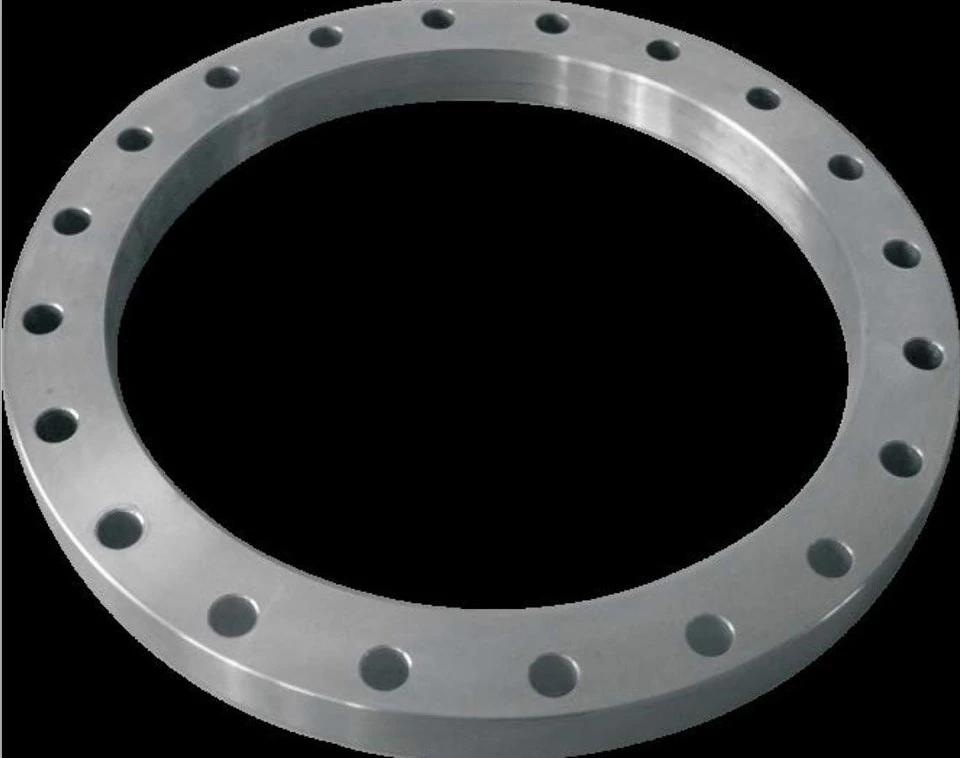

Step 6: Additional Considerations
If you're installing multiple flange plates, make sure to space them evenly. This will ensure a balanced and stable connection. Also, if you're working in a high - pressure environment, you may need to use additional reinforcement, such as gaskets or bolts.
There are other types of flange plates available, like Blind Flange Plate and Carbon Steel Plate Flange. Each type has its own unique features and applications. So, make sure you choose the right one for your project.
Conclusion
Installing a Threaded Flange Plate isn't too complicated if you follow these steps. It's important to take your time and do it right to ensure a secure and leak - free connection. Whether you're a DIY enthusiast or a professional plumber, these steps will help you get the job done.
If you're in the market for high - quality Threaded Flange Plates or other types of flange plates, we're here to help. We offer a wide range of products at competitive prices. If you have any questions or want to discuss your procurement needs, feel free to reach out. We're always happy to assist you in finding the right products for your project.
References
- Pipe Fitting Handbook
- Plumbing Installation Guide