




What are the installation precautions for flat face threaded flanges?
 Oct 29, 2025|
What are the installation precautions for flat face threaded flanges?
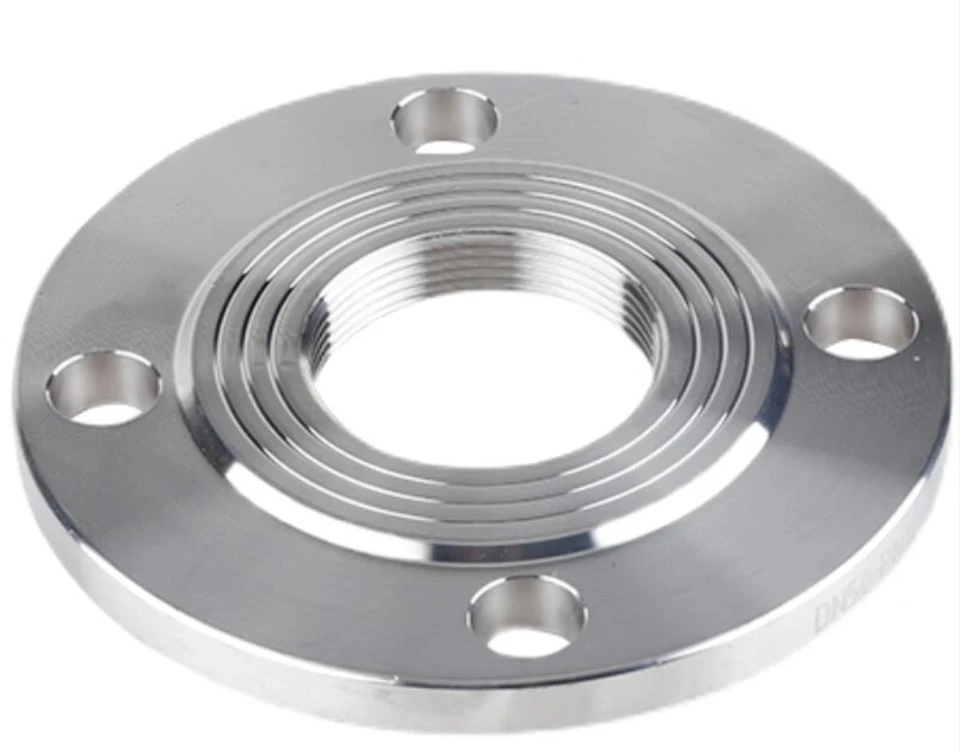
As a supplier of Flat Face Threaded Flanges, I understand the importance of proper installation to ensure the safety and efficiency of piping systems. In this blog post, I will share some key installation precautions for flat face threaded flanges based on industry best - practices and my years of experience in the field.
1. Inspection before Installation
Before starting the installation process, a thorough inspection of the flat face threaded flanges is essential. Check for any visible damage such as cracks, scratches, or deformities on the flange surface. The threads should be smooth and free from burrs or other irregularities. Any damaged flange should not be installed as it can lead to leaks and system failures. You can refer to our Flat Face Threaded Flange product page for detailed information on the quality standards of our flanges.
Also, measure the dimensions of the flange to ensure they match the specifications required for the piping system. Incorrect dimensions can result in misalignment during installation, which may cause stress on the pipes and flanges over time.
2. Cleaning the Components
Cleanliness is crucial during the installation of flat face threaded flanges. Remove any dirt, grease, rust, or debris from the flange faces, pipe ends, and threads. This can be done using a wire brush, solvent, or a suitable cleaning agent. A clean surface ensures a proper seal between the flange and the pipe, reducing the risk of leaks.
For the threads, it is recommended to use a thread lubricant. A good quality thread lubricant not only makes the threading process easier but also helps to prevent galling (seizure of the threads) during installation and disassembly. However, make sure to use a lubricant that is compatible with the materials of the flange and the pipe.
3. Alignment
Proper alignment of the flat face threaded flanges is vital for the long - term performance of the piping system. Misaligned flanges can cause uneven stress distribution, leading to premature failure of the flanges or the pipes.
When aligning the flanges, use a straightedge or a laser alignment tool to ensure that the flange faces are parallel and the bolt holes are properly aligned. The pipes should also be aligned correctly to avoid any bending or twisting forces on the flanges.
4. Threading the Flanges
When threading the flat face threaded flanges onto the pipes, use the correct threading technique. Start by hand - threading the flange onto the pipe to ensure that the threads are engaged properly. Then, use a suitable wrench to tighten the flange. Do not overtighten the flange, as this can damage the threads or cause the flange to deform.
It is important to follow the recommended torque values for the specific size and type of flange. These torque values can usually be found in the manufacturer's installation instructions. Over - or under - tightening can lead to leaks or other problems in the piping system.
5. Gasket Selection and Installation
A proper gasket is essential for creating a leak - tight seal between the flat face threaded flanges. Select a gasket that is compatible with the fluid or gas being transported in the piping system, as well as the operating temperature and pressure.
Common gasket materials include rubber, cork, and metal. Each material has its own advantages and limitations. For example, rubber gaskets are flexible and can provide a good seal, but they may not be suitable for high - temperature applications.
When installing the gasket, make sure it is centered on the flange face and that there are no wrinkles or folds. The gasket should cover the entire sealing surface of the flange.
6. Bolt Installation
The bolts used to connect the flat face threaded flanges play a crucial role in maintaining the integrity of the joint. Select the correct size and grade of bolts according to the design requirements of the piping system.
Before installing the bolts, lubricate the threads to ensure even tightening. Install the bolts evenly around the flange, alternating between bolts to ensure uniform pressure distribution. Tighten the bolts gradually in a criss - cross pattern to the recommended torque value.
After the initial tightening, it is a good practice to re - check the bolt torque after a period of operation, especially in high - vibration or high - temperature applications. This helps to ensure that the bolts remain properly tightened and the flange joint remains leak - free.
7. Pressure Testing
Once the flat face threaded flanges are installed, it is important to conduct a pressure test on the piping system. This test helps to identify any leaks or weaknesses in the system before it is put into full operation.

The pressure test should be carried out according to the relevant industry standards and codes. The test pressure should be higher than the normal operating pressure of the system to ensure that the flanges and the joints can withstand the expected pressure.
8. Environmental Considerations
During the installation of flat face threaded flanges, consider the environmental conditions. If the installation is taking place in a corrosive environment, such as a chemical plant or a marine environment, choose flanges and gaskets that are resistant to corrosion. For example, our Carbon Steel Threaded Flange can be coated or treated to enhance its corrosion resistance.
Also, be aware of the temperature and humidity during installation. Extreme temperatures can affect the properties of the flange materials and the gaskets. For example, in cold weather, the materials may become more brittle, so extra care should be taken during installation.
9. Compatibility of Materials
Ensure that all the components of the piping system, including the flat face threaded flanges, pipes, gaskets, and bolts, are made of compatible materials. Different materials can have different coefficients of thermal expansion, which can cause problems in the piping system over time.
For example, if a carbon steel flange is connected to a stainless - steel pipe without proper consideration of the material compatibility, galvanic corrosion may occur. Galvanic corrosion can weaken the components and lead to leaks or failures.
10. Safety Precautions
Finally, safety should always be a top priority during the installation of flat face threaded flanges. Wear appropriate personal protective equipment (PPE) such as safety glasses, gloves, and safety shoes. Follow all safety procedures and guidelines when using tools and equipment.
If the installation is taking place in a confined space or at a height, additional safety measures such as proper ventilation and fall protection should be implemented.
In conclusion, the installation of flat face threaded flanges requires careful attention to detail and adherence to industry best - practices. By following these installation precautions, you can ensure the reliable and long - term performance of your piping system.
If you are in the market for high - quality flat face threaded flanges or other types of flanges such as Forged Threaded Reducing Flange, we are here to assist you. Our team of experts can provide you with the right products and technical support for your specific needs. Feel free to contact us for more information and to start a procurement discussion.
References
- "Piping Handbook" by Nayyar Nayyar
- "Flange Design and Engineering" by ASME Standards Committee