




What are the electrical conductivity properties of forged orifice flanges?
 Dec 01, 2025|
Hey there! As a supplier of forged orifice flanges, I often get asked about their electrical conductivity properties. In this blog, I'm gonna break down what you need to know about how these flanges conduct electricity.

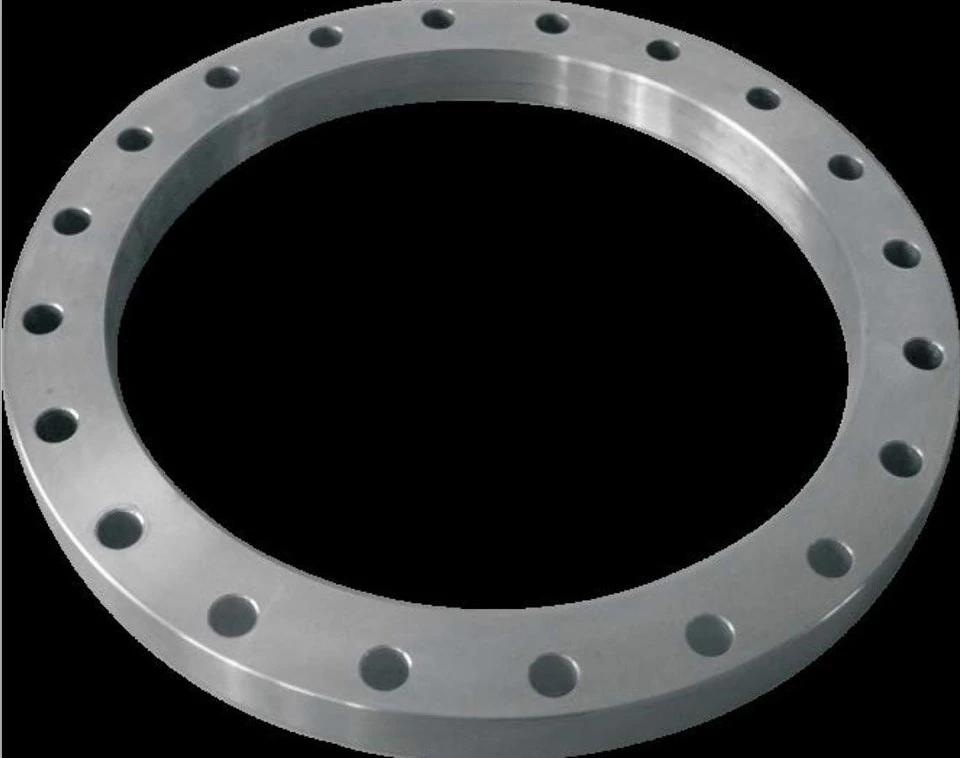
First off, let's understand what forged orifice flanges are. They're specialized flanges used in piping systems, especially where accurate flow measurement is crucial. The "forged" part means they're made by shaping metal under high pressure, which gives them great strength and durability. And the "orifice" is a precisely sized hole in the flange that helps in measuring the flow of fluids like gas or liquid through the pipe.
Now, onto the main topic - electrical conductivity. Electrical conductivity is a measure of how easily an electric current can pass through a material. It depends on a few factors, like the type of metal used in the flange, its purity, and the presence of any impurities or alloying elements.
Most forged orifice flanges are made from metals like carbon steel, stainless steel, or alloy steel. Carbon steel is a common choice because it's relatively inexpensive and has good mechanical properties. However, when it comes to electrical conductivity, carbon steel isn't the best. It has a moderate level of conductivity because of the presence of carbon and other impurities. The carbon atoms can disrupt the flow of electrons, which are responsible for carrying the electric current.
Stainless steel, on the other hand, is a bit more complex. It contains chromium, nickel, and other elements that give it excellent corrosion resistance. But these alloying elements can also affect its electrical conductivity. Generally, stainless steel has a lower electrical conductivity compared to pure metals like copper or aluminum. The exact conductivity depends on the specific grade of stainless steel used. Some grades may have better conductivity than others, but overall, it's still not as high as that of pure conductive metals.
Alloy steel flanges are made by adding other elements to steel to enhance its properties. These elements can include manganese, vanadium, or molybdenum. The addition of these elements can have a significant impact on the electrical conductivity. Some alloy steels may have higher conductivity if the added elements improve the flow of electrons, while others may have lower conductivity due to the formation of complex structures that impede electron movement.
The manufacturing process of forged orifice flanges can also influence their electrical conductivity. During forging, the metal is heated and shaped under pressure. This process can change the microstructure of the metal, which in turn affects its electrical properties. For example, if the forging process causes the formation of grain boundaries or other defects in the metal, it can reduce the electrical conductivity. On the other hand, a well - controlled forging process can help maintain or even improve the conductivity by aligning the metal grains in a way that facilitates electron flow.
Surface finish is another factor to consider. A rough surface can increase the resistance to electrical current flow. When the surface is rough, there are more obstacles for the electrons to move through, which means more energy is lost as heat. So, a smooth surface finish on the forged orifice flange can help improve its electrical conductivity.
In some applications, the electrical conductivity of forged orifice flanges is crucial. For instance, in industries where there's a risk of static electricity buildup, such as in the handling of flammable gases or liquids, the flanges need to be able to conduct electricity to prevent static discharges. Static discharges can be extremely dangerous as they can ignite the flammable substances. In these cases, flanges with higher electrical conductivity are preferred.
Now, let's talk about some related products. If you're looking for other types of flanges, we also offer Carbon Steel Plate Flange, Blind Flange Plate, and Threaded Flange Plate. Each of these flanges has its own unique properties and applications, and their electrical conductivity can also vary depending on the material and manufacturing process.
When it comes to choosing the right forged orifice flange based on electrical conductivity, it's important to consider your specific application requirements. If you need a flange with high electrical conductivity, you may need to look for flanges made from more conductive materials or with a special surface treatment. On the other hand, if electrical conductivity isn't a major concern, you can focus more on other properties like strength, corrosion resistance, or cost.
If you're in the market for forged orifice flanges or any of our other flange products, I'd love to have a chat with you. We can discuss your project requirements, and I can help you select the best flanges for your needs. Whether you're working on a small - scale project or a large industrial installation, we've got the expertise and the products to meet your demands. So, don't hesitate to reach out and start the conversation about your procurement.
References
- "Metals Handbook: Properties and Selection: Irons, Steels, and High - Performance Alloys" by ASM International
- "Corrosion Resistance of Stainless Steels" by David A. Shoji
- "Engineering Materials 1: An Introduction to Properties, Applications, and Design" by Michael F. Ashby and David R. H. Jones