




What are the disadvantages of a Reducer Flange?
 Jan 01, 2026|
Hey there! As a supplier of Reducer Flanges, I've been in the business long enough to know that while these components are super useful, they're not without their drawbacks. In this blog, I'm gonna break down some of the disadvantages of Reducer Flanges so you can make an informed decision when it comes to your piping system needs.
1. Cost Considerations
One of the first things that might hit you when looking at Reducer Flanges is the cost. These flanges are more expensive compared to standard flanges. The manufacturing process of Reducer Flanges is more complex. They need to be precisely engineered to ensure a proper fit and connection between pipes of different sizes. The custom - sizing required for each application means more time and resources go into their production.
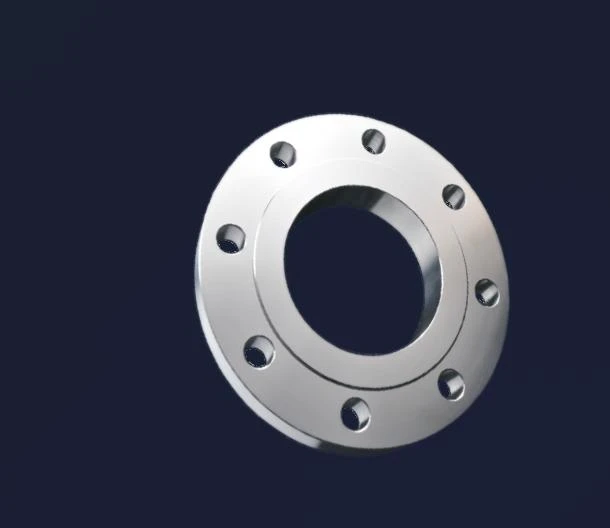

For instance, a Forged Welding Neck flange is generally more straightforward to produce in standard sizes. But when you're dealing with a Reducer Flange, the unique dimensions and the need for high - precision machining drive up the cost. This can be a significant hurdle, especially for smaller projects or those with tight budgets. If you're on a shoestring, you might find yourself having to cut corners elsewhere in your project to afford these specialized flanges.
2. Installation Complexity
Installing Reducer Flanges is no walk in the park. Unlike regular Butt Flanges, which are relatively easy to align and weld onto pipes of the same size, Reducer Flanges require extra care. You've got to make sure that the transition between the two different pipe sizes is smooth and secure.
The alignment process is crucial. A slight misalignment can lead to stress concentrations in the flange and the connected pipes. This can cause premature failure of the joint, leading to leaks or even system breakdowns. Welding a Reducer Flange also demands a higher level of skill from the welder. They need to be experienced in dealing with the unique geometries and potential heat - affected zones that come with these flanges. If you don't have a professional welder on hand, you're looking at a higher risk of installation errors.
3. Flow Disturbance
Another major disadvantage of Reducer Flanges is the impact they have on fluid flow. When fluid passes through a Reducer Flange, the sudden change in pipe diameter causes a disturbance in the flow. This can lead to turbulence, which in turn increases the pressure drop across the flange.
Higher pressure drops mean that your pumping system has to work harder to maintain the desired flow rate. This results in increased energy consumption and higher operating costs over time. In industries where large volumes of fluid need to be transported continuously, like oil and gas or water treatment plants, these additional energy costs can really add up. The turbulence can also cause erosion and corrosion in the flange and the adjacent pipes. The swirling fluid can wear away at the inner surfaces, reducing the lifespan of the components and increasing the need for maintenance and replacement.
4. Limited Compatibility
Reducer Flanges are designed for specific pipe size combinations. This means that their compatibility is limited compared to standard flanges. If you need to make changes to your piping system in the future, you might run into problems. For example, if you want to increase the pipe size or change the flow direction, you may find that the existing Reducer Flanges are no longer suitable.
You'll then have to replace the flanges, which can be a costly and time - consuming process. In addition, finding the right Reducer Flange to match your existing pipes and system requirements can be a challenge. You may have to wait for custom - made flanges to be manufactured, which can cause delays in your project.
5. Maintenance and Inspection Challenges
Maintaining and inspecting Reducer Flanges is more difficult than standard flanges. The complex geometry of these flanges makes it harder to access all areas for inspection. There are hidden corners and edges where corrosion, cracks, or other defects can develop unnoticed.
Regular inspections are essential to ensure the safety and reliability of your piping system. But with Reducer Flanges, you may need specialized inspection equipment and techniques to get a comprehensive view of the flange's condition. Maintenance can also be a headache. If a Reducer Flange needs to be repaired or replaced, the process is more involved due to its unique installation and connection to the pipes. This can lead to longer downtime for your system, which is a big no - no in industries where continuous operation is critical.
6. Weight and Space Requirements
Reducer Flanges are often heavier than standard flanges because of their larger size and the additional material needed for the transition between pipe sizes. This extra weight can put more stress on the supporting structures of your piping system. You may need to reinforce the supports or use stronger materials to ensure the stability of the system.
In addition, Reducer Flanges take up more space compared to regular flanges. In applications where space is limited, such as in offshore platforms or industrial plants with crowded piping layouts, this can be a significant drawback. You may have to redesign your piping system to accommodate the larger flanges, which can be both time - consuming and costly.
7. Potential for Leakage
Due to the complex installation process and the stress concentrations that can occur, Reducer Flanges have a higher potential for leakage compared to standard flanges. A leak in a piping system can be a serious problem, especially if the fluid being transported is hazardous or valuable.
Leakage can lead to environmental contamination, safety hazards for workers, and financial losses due to product loss. The seals used in Reducer Flanges also need to be carefully selected and installed to prevent leaks. Any improper sealing or damage to the seals can result in fluid escaping from the joint.
Despite these disadvantages, Reducer Flanges still have their place in many piping systems. They are essential when you need to connect pipes of different sizes. If you're considering using Reducer Flanges for your project, it's important to weigh the pros and cons carefully.
If you're still interested in learning more about our Reducer Flanges or have any questions about how they can fit into your specific application, don't hesitate to reach out. We're here to help you make the best decision for your project. Whether you're dealing with a small - scale plumbing job or a large - scale industrial installation, we've got the expertise and the products to meet your needs. Contact us today to start a conversation about your procurement and let's see how we can work together to solve your piping challenges.
References
- "Piping Handbook" by Cameron W. John
- "Fluid Mechanics and Hydraulics" by Roberson John A.