




What are the acoustic properties of forged blind hub flanges?
 Dec 18, 2025|
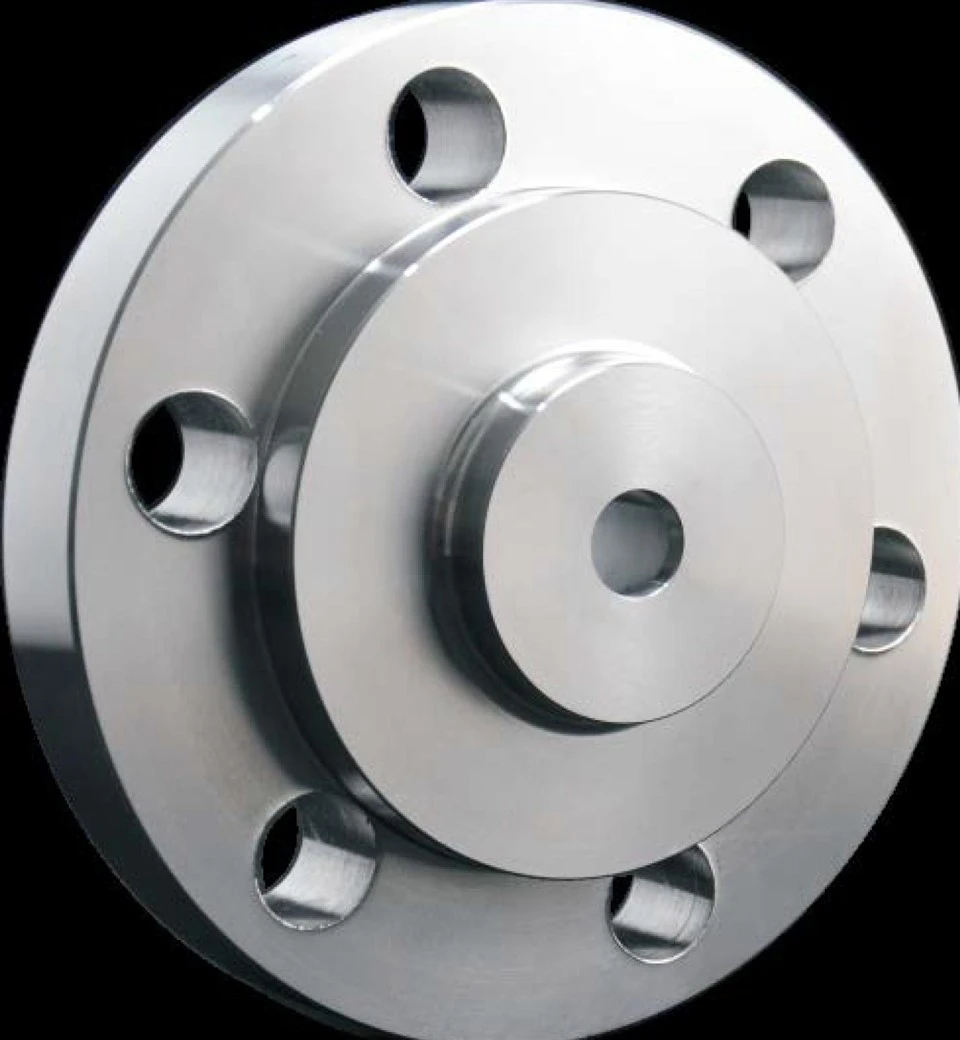
Forged blind hub flanges are essential components in various industrial piping systems, offering a range of benefits including enhanced structural integrity and reliable sealing. While much attention is often given to their mechanical and structural properties, their acoustic properties are equally important, especially in applications where noise control is a concern. In this blog post, we will explore the acoustic properties of forged blind hub flanges and their implications for industrial operations. As a leading supplier of forged blind hub flanges, we have extensive experience in understanding and optimizing these properties to meet the diverse needs of our customers.
Understanding Acoustic Properties
Acoustic properties refer to the way a material or structure interacts with sound waves. In the context of forged blind hub flanges, these properties can significantly impact the noise levels within a piping system. When fluid flows through a pipeline, it can generate noise due to turbulence, pressure fluctuations, and vibrations. Forged blind hub flanges can either amplify or dampen these sound waves, depending on their design and material properties.
One of the key acoustic properties to consider is sound transmission loss (STL). STL measures the ability of a flange to reduce the transmission of sound from one side to the other. A higher STL value indicates better sound insulation. Factors that influence STL include the thickness and density of the flange material, as well as the presence of any damping materials or coatings.
Another important property is sound absorption. Sound absorption refers to the ability of a material to convert sound energy into heat energy. Flanges with high sound absorption coefficients can help reduce reverberation and echo within a piping system, leading to a quieter working environment.
Factors Affecting Acoustic Properties
Several factors can affect the acoustic properties of forged blind hub flanges. These include:
Material Selection
The choice of material plays a crucial role in determining the acoustic performance of a flange. Materials with high density and stiffness, such as steel, tend to have better sound insulation properties compared to lighter materials. Additionally, the composition and microstructure of the material can also impact its acoustic behavior. For example, materials with a fine-grained structure may have better sound absorption characteristics.
Flange Design
The design of the flange can also influence its acoustic properties. Flanges with a larger surface area and a more complex shape may have higher STL values due to increased sound reflection and scattering. Additionally, the presence of any openings or gaps in the flange can allow sound to leak through, reducing its sound insulation performance.
Installation and Sealing
Proper installation and sealing are essential for ensuring the acoustic performance of forged blind hub flanges. A poorly installed flange can create gaps or leaks, allowing sound to escape and reducing the overall sound insulation of the system. Additionally, the use of high-quality gaskets and sealing materials can help improve the sealing performance and reduce sound transmission.
Applications and Implications
The acoustic properties of forged blind hub flanges have important implications for a wide range of industrial applications. In industries such as oil and gas, chemical processing, and power generation, where noise pollution is a concern, selecting flanges with good acoustic properties can help meet regulatory requirements and create a safer and more comfortable working environment.
For example, in offshore oil and gas platforms, where noise levels can be extremely high, using forged blind hub flanges with high STL values can help reduce the transmission of noise from the piping system to the surrounding environment. This not only improves the working conditions for employees but also helps protect marine life from the harmful effects of noise pollution.

In power generation plants, where large amounts of steam and water are flowing through the piping system, reducing noise levels can help improve the efficiency of the equipment and reduce the risk of damage due to vibration. By using flanges with good sound absorption properties, the reverberation and echo within the system can be minimized, leading to a more stable and reliable operation.
Optimizing Acoustic Performance
As a supplier of forged blind hub flanges, we understand the importance of optimizing their acoustic performance to meet the specific needs of our customers. To achieve this, we offer a range of solutions, including:
Custom Material Selection
We work closely with our customers to select the most suitable material for their application based on their acoustic requirements. Our team of experts can provide guidance on the best materials and alloys to use, taking into account factors such as density, stiffness, and sound absorption characteristics.
Advanced Design and Manufacturing Techniques
We use advanced design and manufacturing techniques to optimize the acoustic performance of our flanges. Our engineers use computer-aided design (CAD) software to model and analyze the sound behavior of different flange designs, allowing us to identify the most effective solutions. Additionally, we use state-of-the-art manufacturing processes to ensure the highest quality and precision in the production of our flanges.
Damping Materials and Coatings
We offer a range of damping materials and coatings that can be applied to our flanges to improve their sound absorption and insulation properties. These materials can be customized to meet the specific requirements of our customers, providing an effective solution for reducing noise levels in their piping systems.
Conclusion
The acoustic properties of forged blind hub flanges are an important consideration in industrial piping systems, especially in applications where noise control is a concern. By understanding the factors that affect these properties and implementing appropriate solutions, we can help our customers optimize the acoustic performance of their systems and create a safer and more comfortable working environment.
If you are interested in learning more about our forged blind hub flanges and how they can meet your acoustic requirements, please [contact us] for more information. Our team of experts is ready to assist you in selecting the right products and solutions for your application.
References
- "Acoustics: An Introduction to Its Physical Principles and Applications" by Allan D. Pierce
- "Handbook of Noise and Vibration Control" by Cyril M. Harris
- "Piping Handbook" by George A. Strock
Note: Replace "[contact us]" with an appropriate call - to - action phrase that encourages the reader to get in touch for procurement discussions. Also, the links are inserted as follows:
In the context where relevant, you can mention: "For more information on different types of blind flanges, you can visit our pages on Threaded Blind Flange, Ansi Blind Flange, and Pipe Connection Flange Blind."