




How to improve the sealing performance of forged orifice flanges?
 Dec 19, 2025|
Hey there! As a supplier of Forged Orifice Flanges, I've dealt with quite a few challenges and solutions when it comes to improving the sealing performance of these flanges. In this blog, I'm gonna share some practical tips and insights based on my experience in the industry.
Understanding the Basics of Forged Orifice Flanges
Before we dive into the ways to improve sealing performance, let's quickly go over what forged orifice flanges are. These flanges are essential components in piping systems. They're used to measure the flow rate of fluids, and a proper seal is crucial to ensure accurate measurements and prevent any leaks.
The sealing performance of a forged orifice flange depends on several factors, including the material of the flange, the gasket used, the surface finish, and the installation process. Any issues with these elements can lead to poor sealing, which might result in fluid leakage, reduced efficiency, and even safety hazards.
Choosing the Right Material
The material of the forged orifice flange plays a significant role in its sealing performance. Different materials have different properties, such as corrosion resistance, strength, and thermal expansion coefficients.
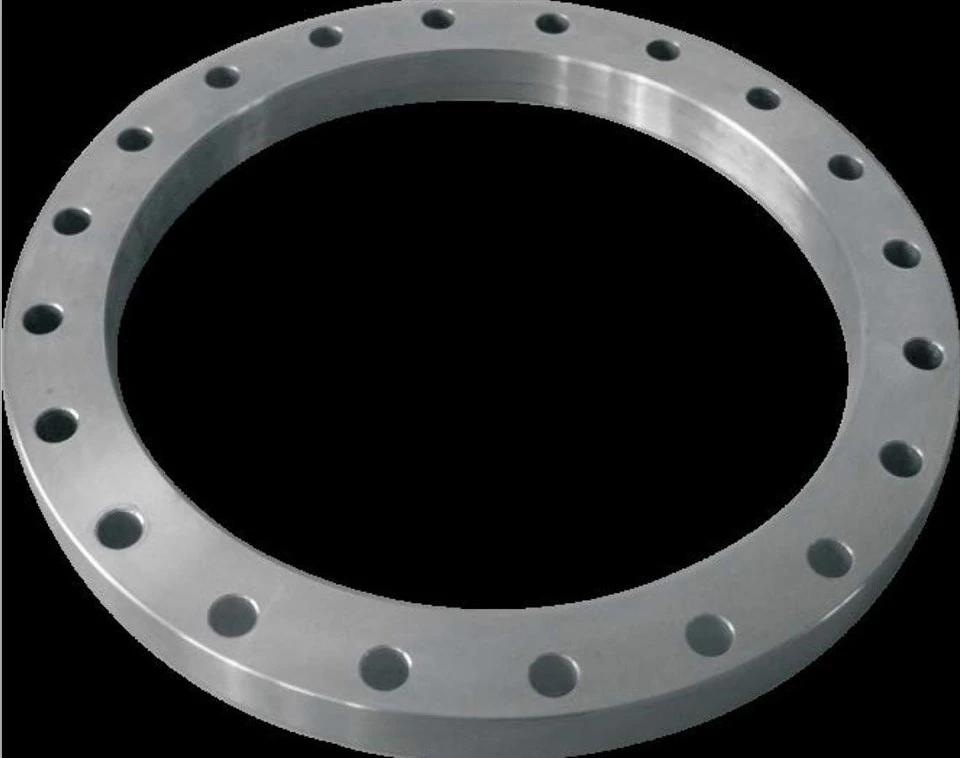
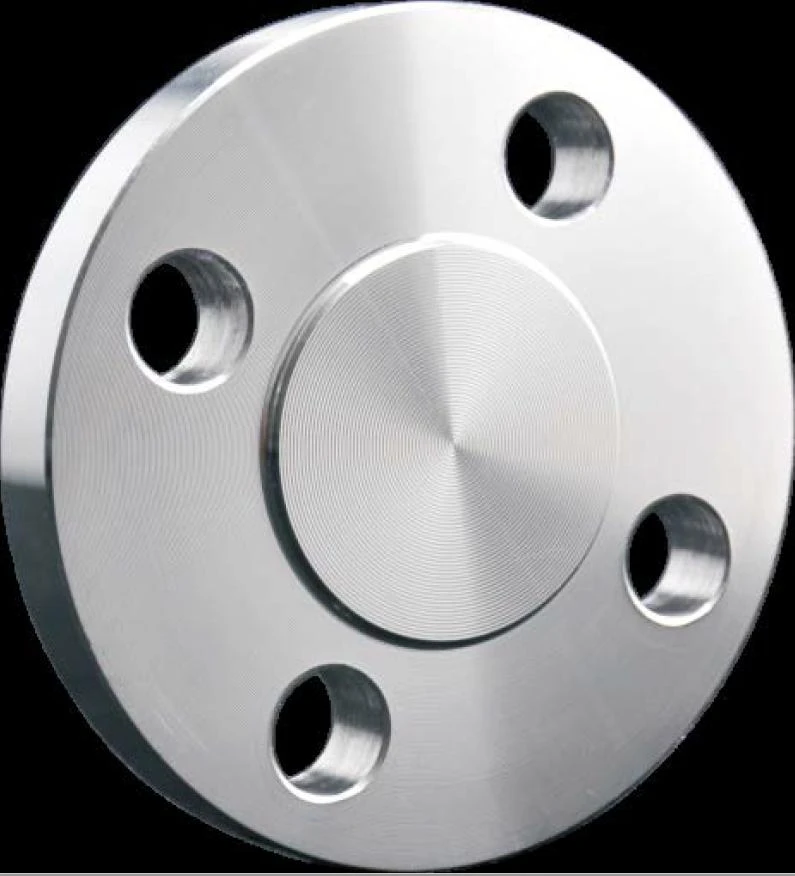
- Stainless Steel: Stainless Steel Plate Flanges are a popular choice because they offer excellent corrosion resistance. This is especially important when dealing with fluids that are corrosive or in environments where the flange might be exposed to moisture or chemicals. Stainless steel also has good strength and can withstand high pressures.
- Carbon Steel: Carbon Steel Plate Flange is another common option. It's strong and relatively inexpensive. However, it's more prone to corrosion compared to stainless steel. So, if corrosion is a concern, you might want to consider using carbon steel with a protective coating.
When choosing the material, you need to consider the type of fluid, the operating temperature and pressure, and the environmental conditions. Make sure the material can withstand these factors without degrading and compromising the seal.
Selecting the Appropriate Gasket
The gasket is the key component that creates the seal between the flanges. There are various types of gaskets available, each with its own advantages and disadvantages.
- Compressed Fiber Gaskets: These are made from compressed fiber materials and are suitable for low to medium-pressure applications. They're relatively inexpensive and easy to install. However, they might not be as durable as some other types of gaskets and can be affected by high temperatures or certain chemicals.
- Metal Gaskets: Metal gaskets, such as spiral wound gaskets or ring joint gaskets, are more suitable for high-pressure and high-temperature applications. They offer better sealing performance and are more resistant to corrosion and chemical attack. However, they're also more expensive and require more precise installation.
When selecting a gasket, you need to consider the same factors as when choosing the flange material, such as the type of fluid, temperature, and pressure. Make sure the gasket is compatible with the flange material and the operating conditions.
Ensuring Proper Surface Finish
The surface finish of the flange is crucial for a good seal. A rough or uneven surface can prevent the gasket from making a proper contact, leading to leaks.
- Machining: During the manufacturing process, the flange surfaces need to be machined to the appropriate finish. This ensures that the surfaces are flat and smooth, allowing the gasket to conform to the shape of the flange and create a tight seal.
- Cleaning: Before installation, the flange surfaces should be thoroughly cleaned to remove any dirt, grease, or debris. Even a small particle can disrupt the seal and cause leaks. Use a suitable cleaning agent and a clean cloth to wipe the surfaces clean.
Correct Installation Procedures
Proper installation is essential for achieving optimal sealing performance. Here are some key steps to follow:
- Alignment: Make sure the flanges are properly aligned before tightening the bolts. Misaligned flanges can cause uneven pressure on the gasket, leading to leaks. Use alignment tools if necessary to ensure accurate alignment.
- Bolt Tightening: The bolts should be tightened evenly and to the correct torque. Over-tightening can damage the flange or the gasket, while under-tightening can result in a loose seal. Follow the manufacturer's recommendations for the torque values and the tightening sequence.
- Inspection: After installation, inspect the flange connection for any signs of leaks or damage. Check the gasket for proper compression and alignment, and make sure the bolts are tightened correctly.
Regular Maintenance and Inspection
Even if you've done everything right during the installation process, regular maintenance and inspection are still necessary to ensure the long-term sealing performance of the forged orifice flanges.
- Visual Inspection: Periodically inspect the flanges for any signs of corrosion, damage, or leakage. Look for cracks, pitting, or any other defects on the flange surfaces or the gasket.
- Gasket Replacement: Over time, the gasket may wear out or become damaged. Replace the gasket as recommended by the manufacturer or if you notice any signs of deterioration.
- Bolt Retightening: Due to thermal expansion and contraction, the bolts may loosen over time. Check the bolt tightness regularly and retighten them if necessary.
Conclusion
Improving the sealing performance of forged orifice flanges requires attention to detail in every aspect, from material selection to installation and maintenance. By following the tips outlined in this blog, you can ensure a reliable and leak-free seal for your piping systems.
If you're in the market for high-quality Forged Orifice Flanges or have any questions about improving their sealing performance, don't hesitate to reach out. We're here to help you find the best solutions for your specific needs. Let's start a conversation and explore how we can work together to meet your requirements.
References
- "Piping Handbook" by Mohinder L. Nayyar
- "Flanges and Gaskets: Design, Manufacture and Testing" by R.K. Singh