




How long is the service life of flat face threaded flanges?
 Oct 31, 2025|
Hey there! As a supplier of Flat Face Threaded Flanges, I often get asked about how long these flanges can actually last. Well, let's dive right into this topic and explore the factors that affect the service life of Flat Face Threaded Flanges.
Understanding Flat Face Threaded Flanges
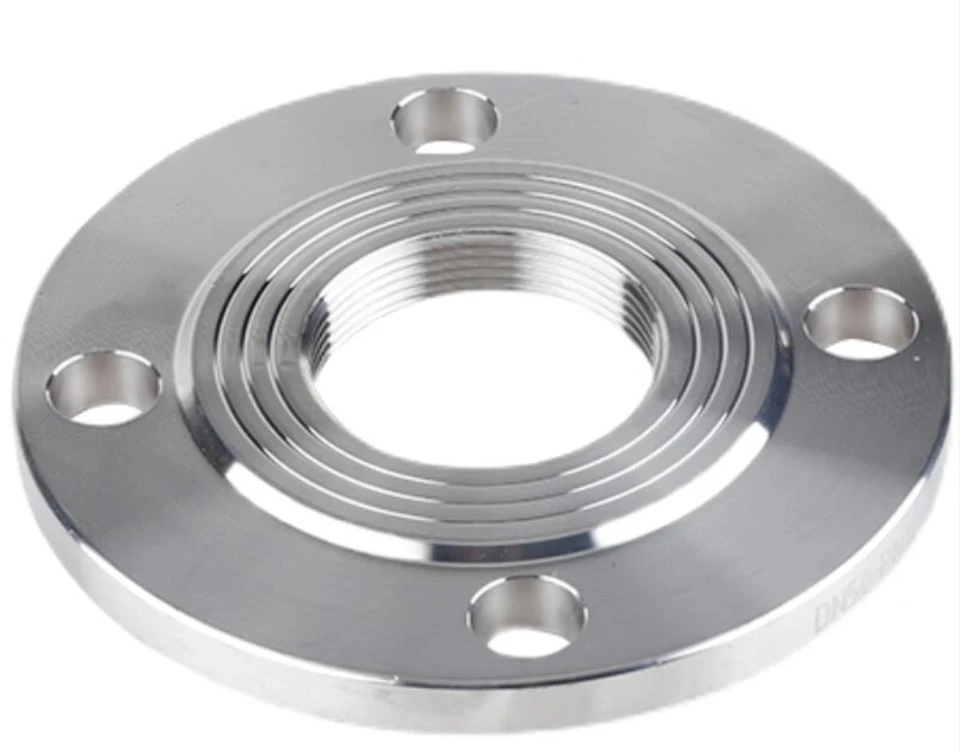
First off, let me give you a quick rundown on what Flat Face Threaded Flanges are. They're an essential part in many piping systems. These flanges have a flat face, which provides a smooth surface for connection, and they come with threads that allow them to be easily screwed onto pipes. You can check out more about them on our Flat Face Threaded Flange page.
Factors Affecting Service Life
Material Quality
The material used to make the flange plays a huge role in determining its service life. We use high - quality materials in our Flat Face Threaded Flanges. For example, stainless steel is a popular choice. Stainless steel has excellent corrosion resistance, which means it can withstand harsh environments. If the flange is made from low - quality materials, it's more likely to rust, corrode, or develop cracks over time.
Let's say you're using a flange in a chemical processing plant where there are corrosive chemicals in the pipes. A Stainless Steel Threaded Reducer, which is often used in conjunction with flanges, made from high - grade stainless steel will last much longer than one made from a cheaper, less - resistant material.

Operating Conditions
The conditions under which the flange operates also matter a great deal. Temperature, pressure, and the type of fluid or gas flowing through the pipes can all impact the flange's lifespan.
If the flange is exposed to high temperatures on a regular basis, the material can expand and contract, which may lead to stress on the flange and eventually cause it to fail. Similarly, high - pressure applications put more strain on the flange. For instance, in an oil and gas pipeline where the pressure is extremely high, the flange needs to be able to handle that pressure without leaking or breaking.
The nature of the fluid or gas in the pipes is another factor. If it's a highly abrasive fluid, it can wear down the flange over time. On the other hand, if it's a corrosive substance, it can eat away at the flange material.
Installation Quality
Proper installation is crucial for the long - term performance of a Flat Face Threaded Flange. If the flange is not installed correctly, it can lead to leaks, misalignment, and premature failure.
During installation, the threads need to be properly engaged, and the flange needs to be tightened to the correct torque. If it's over - tightened, it can damage the threads or cause the flange to crack. If it's under - tightened, there's a risk of leakage. Also, the alignment of the flange with the pipe is important. Misaligned flanges can cause uneven stress distribution, which can shorten the flange's service life.
Estimating the Service Life
It's tough to give an exact number for how long a Flat Face Threaded Flange will last because of all the factors we've discussed. However, in a normal, well - maintained industrial environment with moderate operating conditions, a high - quality stainless steel Flat Face Threaded Flange can last anywhere from 15 to 25 years.
In a more extreme environment, like a chemical plant with highly corrosive substances or a power plant with high - temperature and high - pressure conditions, the service life might be reduced to 5 to 10 years. But if you take good care of the flanges, perform regular inspections, and replace any worn - out parts in a timely manner, you can extend their lifespan.
Maintenance and Inspection
Regular maintenance and inspection are key to getting the most out of your Flat Face Threaded Flanges. You should visually inspect the flanges for signs of corrosion, cracks, or leakage on a regular basis. This can be done during routine plant shutdowns or as part of a preventive maintenance program.
If you notice any issues, it's important to address them right away. For example, if you see some minor corrosion, you can clean the flange and apply a protective coating. If there's a crack, you may need to replace the flange to prevent a major failure.
We also recommend using Stainless Steel Threaded Pipe Connection Flange in your system. These flanges are designed to provide a reliable connection and can help improve the overall performance and longevity of your piping system.
Conclusion
So, as you can see, the service life of Flat Face Threaded Flanges depends on a variety of factors, including material quality, operating conditions, installation quality, and maintenance. By choosing high - quality materials, ensuring proper installation, and performing regular maintenance, you can maximize the lifespan of your flanges.
If you're in the market for Flat Face Threaded Flanges or related products like Stainless Steel Threaded Reducers and Stainless Steel Threaded Pipe Connection Flanges, feel free to reach out. We're here to help you find the right products for your needs and ensure that you get the best value for your money. Let's start a conversation about your requirements and see how we can work together to keep your piping systems running smoothly.
References
- Industrial Piping Handbook: Covers general information on piping components and their service life.
- Stainless Steel Handbook: Provides details on the properties and corrosion resistance of stainless steel used in flanges.