




Can forged blind hub flanges be used in the chemical industry?
 Nov 05, 2025|
Can forged blind hub flanges be used in the chemical industry? That's a question I often get asked as a supplier of these flanges. Let's dig into this topic and see if they're a good fit for the chemical industry.
First off, what are forged blind hub flanges? Well, they're a type of flange that's forged, which means they're made by shaping metal under extreme pressure. The "blind" part means they don't have a hole in the middle, so they're used to seal the end of a pipe or vessel. And the "hub" is a raised section that provides extra strength and support.
Now, the chemical industry is a tough place. It deals with all sorts of harsh chemicals, high pressures, and extreme temperatures. So, any equipment used in this industry has to be up to the task. Forged blind hub flanges have some features that make them a potential candidate for use here.
One of the big advantages of forged blind hub flanges is their strength. The forging process makes them much stronger than flanges made by other methods like casting. In the chemical industry, where pipes and vessels often carry high - pressure fluids, this strength is crucial. A weak flange could lead to leaks, which can be extremely dangerous, not to mention costly in terms of lost product and potential environmental damage.
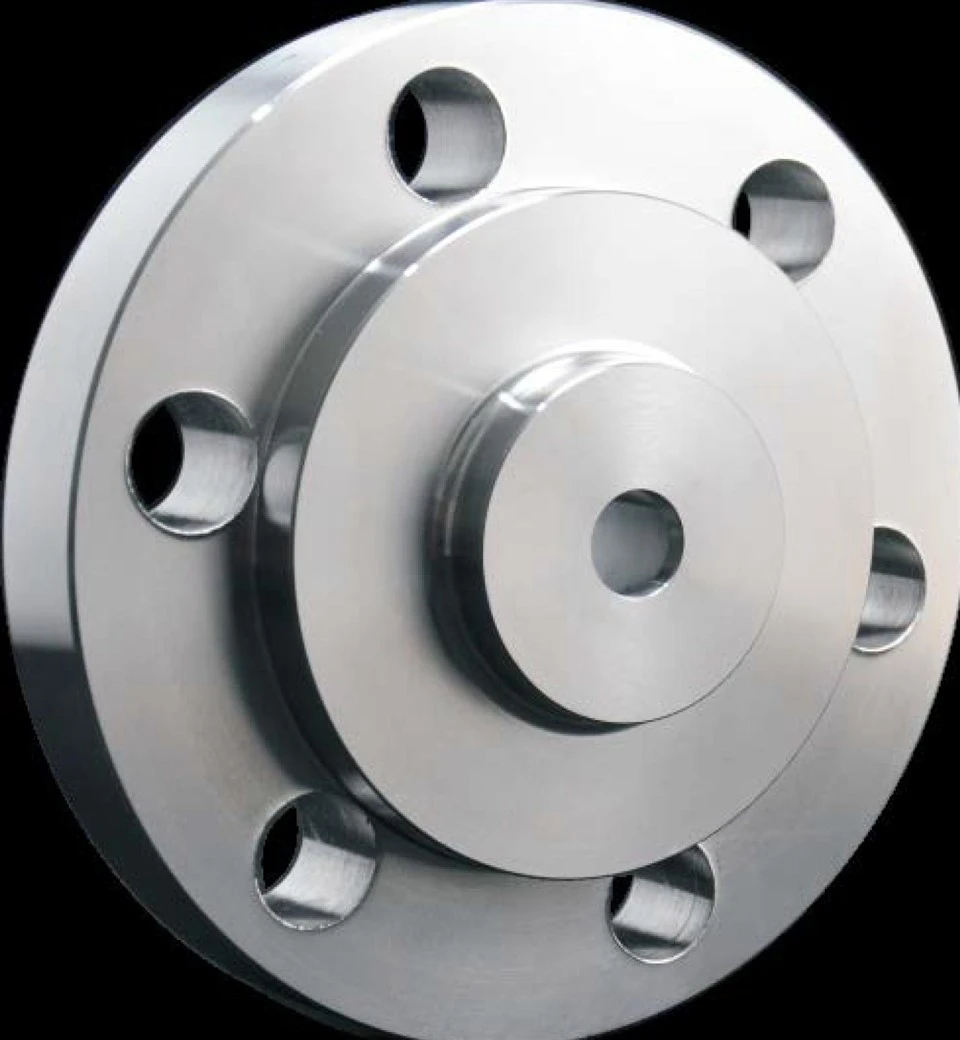

Another plus is their durability. Chemicals can be very corrosive, and forged blind hub flanges can be made from materials that are resistant to corrosion. For example, stainless steel is a popular choice for these flanges in the chemical industry. Stainless steel contains chromium, which forms a protective layer on the surface of the flange, preventing it from rusting and corroding when it comes into contact with chemicals.
They also offer good sealing properties. Since they're blind, they can effectively seal the end of a pipe or vessel, preventing any leakage of the chemicals inside. This is important for maintaining the integrity of the chemical process and ensuring the safety of the workers and the environment.
However, there are also some factors to consider before using forged blind hub flanges in the chemical industry. One is the cost. Forged flanges are generally more expensive than other types of flanges. This is because the forging process is more complex and requires more energy and labor. In a cost - conscious industry like chemicals, this could be a significant factor.
Another thing is the compatibility with the specific chemicals being used. Different chemicals have different properties, and some may react with the material of the flange. For example, some strong acids may attack certain types of stainless steel over time. So, it's important to carefully select the material of the forged blind hub flange based on the chemicals it will be in contact with.
Let's talk about some of the different types of forged blind hub flanges that might be used in the chemical industry. There's the Carbon Steel Tapped Blind Flange. Carbon steel is a common and relatively inexpensive material. It has good strength, but it may not be as corrosion - resistant as stainless steel. So, it might be suitable for less corrosive chemicals or in situations where the cost is a major concern.
The Threaded Blind Flange is another option. These flanges have threads on the inside, which allows them to be easily screwed onto a pipe. They're convenient for applications where quick installation and removal are required. However, the threads can be a weak point in terms of corrosion and pressure resistance, so they need to be carefully considered in the chemical industry.
Then there's the Forged Blind Tapped Flange. This type combines the strength of forging with the functionality of tapped holes. It can be used in applications where additional components need to be attached to the flange, like sensors or valves.
In conclusion, forged blind hub flanges can definitely be used in the chemical industry, but it's not a one - size - fits - all solution. Their strength, durability, and sealing properties make them a good choice for many applications. However, factors like cost and chemical compatibility need to be carefully evaluated.
If you're in the chemical industry and are considering using forged blind hub flanges for your projects, I'd love to have a chat with you. We can discuss your specific needs, the chemicals you're dealing with, and find the best solution for you. Whether it's the right material or the most suitable type of flange, I'm here to help you make the right decision.
References
- "Flanges in the Chemical Industry: A Technical Overview" by Industrial Piping Journal
- "Materials Selection for Chemical Processing Equipment" by Chemical Engineering Magazine