




Can female threaded flanges be reused?
 Dec 11, 2025|
 Can female threaded flanges be reused? This is a question that often arises in the industrial and piping sectors. As a supplier of Female Threaded Flanges, I've encountered this query numerous times from our clients. In this blog, I'll delve into the factors that determine whether female threaded flanges can be reused and offer insights based on industry knowledge and experience.
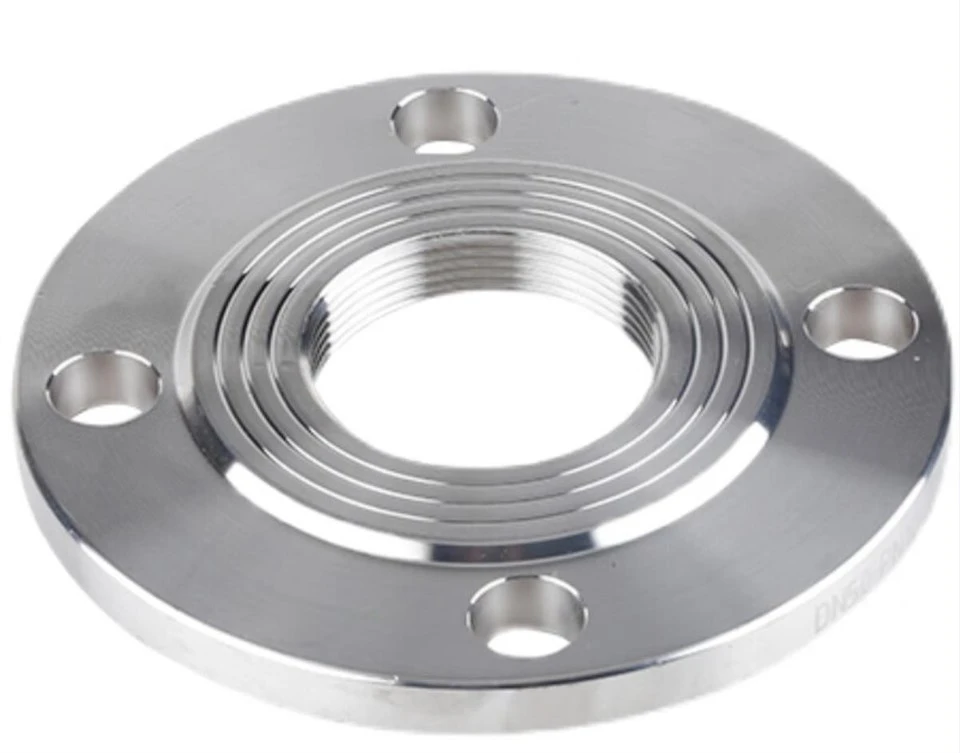

Understanding Female Threaded Flanges
Before we discuss reusability, let's briefly understand what female threaded flanges are. Female threaded flanges are components used in piping systems to connect pipes, valves, and other equipment. They have internal threads that allow them to be screwed onto male - threaded pipes or fittings. These flanges come in various materials such as carbon steel, stainless steel, and alloy steel, and different types like Flat Face Threaded Flange.
Factors Influencing Reusability
1. Condition of the Threads
The most crucial factor in determining the reusability of a female threaded flange is the condition of its internal threads. If the threads are damaged, such as being stripped, corroded, or having significant wear, the flange may not be suitable for reuse. For example, in a chemical - processing plant where corrosive substances are transported through the pipes, the threads of the flanges can be corroded over time. If the corrosion has reached a point where the thread profile is distorted, the flange will not be able to form a proper seal when reinstalled.
On the other hand, if the threads are in good condition, with no visible signs of damage, they are more likely to be reused. Regular inspection of the threads using tools like thread gauges can help determine their integrity.
2. Sealing Integrity
Another important aspect is the sealing integrity of the flange. When a female threaded flange is used, it forms a seal with the mating male - threaded component. If the sealing surface of the flange has been damaged, scratched, or deformed, it may not be able to create a leak - tight seal upon reuse. For instance, during the disassembly process, if the flange is mishandled and the sealing surface is dented, it can lead to leaks when the flange is reinstalled.
To ensure proper sealing, it's essential to inspect the sealing surface carefully. If there are minor scratches, they can sometimes be repaired through processes like surface grinding. However, if the damage is extensive, the flange may need to be replaced.
3. Material Degradation
The material of the female threaded flange can degrade over time due to factors such as temperature, pressure, and exposure to chemicals. For example, in high - temperature applications, the material may experience creep, which can cause a change in its mechanical properties. If the material has become brittle or has lost its strength, reusing the flange can pose a safety risk.
Stainless steel female threaded flanges are generally more resistant to corrosion and material degradation compared to carbon steel flanges. However, even stainless steel can be affected by certain aggressive chemicals. Regular material testing, such as hardness testing and chemical analysis, can help assess the extent of material degradation.
4. Installation and Removal History
The way the flange was installed and removed also plays a role in its reusability. If the flange was over - tightened during installation, it can cause damage to the threads and the sealing surface. Similarly, improper removal techniques, such as using excessive force or incorrect tools, can also lead to damage.
For example, if a flange was removed using a wrench that was too large, it could cause the flange to crack or the threads to be stripped. In such cases, the flange may not be reusable.
Steps to Determine Reusability
1. Visual Inspection
The first step is to conduct a visual inspection of the female threaded flange. Look for any obvious signs of damage, such as cracks, corrosion, or deformation on the body of the flange, the threads, and the sealing surface. Check for any signs of leakage or residue around the flange, which may indicate previous sealing issues.
2. Thread Inspection
Use a thread gauge to check the accuracy of the internal threads. The thread gauge will help determine if the threads are within the specified tolerance. If the threads do not match the gauge, it's a sign that the threads are damaged and the flange may not be reusable.
3. Sealing Surface Inspection
Inspect the sealing surface for any scratches, dents, or other damage. A smooth and flat sealing surface is essential for a proper seal. If there are minor imperfections, they can be evaluated to determine if they can be repaired.
4. Material Testing
If there are concerns about material degradation, conduct material testing. This can include hardness testing, which can indicate if the material has become too brittle, and chemical analysis to check for any changes in the material composition.
Reusing Female Threaded Flanges: Best Practices
If the female threaded flange passes all the inspection criteria and is deemed suitable for reuse, there are some best practices to follow during the reinstallation process.
First, clean the flange thoroughly to remove any dirt, debris, or old sealant. This will ensure a proper seal and prevent any contaminants from affecting the performance of the flange.
Second, apply a suitable thread sealant to the threads. The thread sealant will help create a leak - tight seal and prevent corrosion between the threads. Make sure to follow the manufacturer's instructions when applying the sealant.
Finally, use the correct torque when tightening the flange. Over - tightening can cause damage to the threads and the flange, while under - tightening can lead to leaks. Refer to the torque specifications provided by the flange manufacturer.
Related Products
In addition to female threaded flanges, we also offer other related products such as Stainless Steel Threaded Reducer. These reducers are used to connect pipes of different sizes in a threaded piping system. Our Female Threaded Flange products are made from high - quality materials and are available in a variety of sizes and specifications to meet the diverse needs of our customers.
Conclusion
In conclusion, female threaded flanges can be reused under certain conditions. The key is to carefully assess the condition of the threads, the sealing integrity, the material degradation, and the installation and removal history. By following the inspection steps and best practices, you can determine whether a female threaded flange is suitable for reuse and ensure its safe and efficient reinstallation.
If you have any questions about our Female Threaded Flanges or need assistance in determining the reusability of your existing flanges, feel free to contact us for further discussion and potential procurement. We are always ready to provide you with professional advice and high - quality products.
References
- ASME B16.5 - Pipe Flanges and Flanged Fittings
- API 6A - Specification for Wellhead and Christmas Tree Equipment
- Manufacturer's documentation for female threaded flanges