




Can a blind flange reduce noise?
 Oct 20, 2025|
Can a Blind Flange Reduce Noise?
In the realm of industrial piping systems, blind flanges play a crucial role. As a trusted blind flange supplier, I've encountered numerous inquiries regarding the capabilities of blind flanges, and one question that often surfaces is whether a blind flange can reduce noise. In this blog post, I'll delve into the science behind this query, exploring the factors at play and providing insights based on industry knowledge and experience.

Understanding Blind Flanges
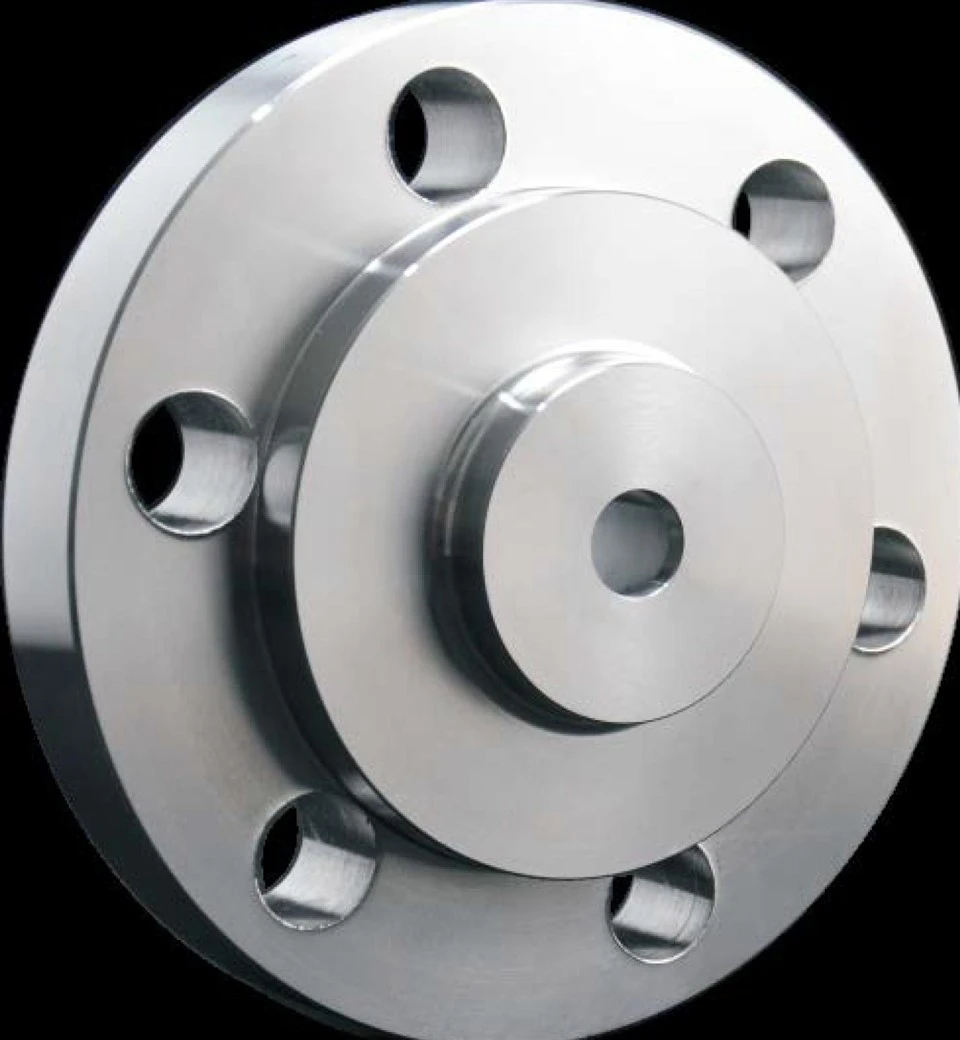
Before we discuss the noise - reduction potential of blind flanges, it's essential to understand what they are. A blind flange is a solid disk used to seal the end of a pipe, valve, or vessel. It is designed to block the flow of fluid or gas within a piping system. Blind flanges come in various types, including Forged Blind Hub Flange, Threaded Blind Flange, and Carbon Steel Tapped Blind Flange. Each type has its own unique features and applications, but they all share the common function of sealing the end of a piping component.
Sources of Noise in Piping Systems
Noise in piping systems can originate from multiple sources. One of the primary sources is fluid flow. When fluid moves through a pipe, it can create turbulence, which in turn generates noise. This noise can be exacerbated by factors such as high flow rates, sudden changes in pipe diameter, or the presence of valves and fittings. Another source of noise is vibration. Pumps, compressors, and other equipment connected to the piping system can cause vibrations that are transmitted through the pipes, resulting in audible noise.
How Blind Flanges Can Potentially Reduce Noise
Now, let's explore how blind flanges might contribute to noise reduction.
Sealing and Isolation
One of the main ways a blind flange can help reduce noise is by providing a tight seal. A well - installed blind flange can prevent the leakage of fluid or gas, which may otherwise contribute to noise. When a pipe is properly sealed with a blind flange, the fluid flow is contained within the system, reducing the chances of turbulence and associated noise. Additionally, the blind flange acts as a barrier, isolating the end of the pipe from the surrounding environment. This isolation can help prevent the transmission of noise from the piping system to the outside.
Dampening Vibrations
Blind flanges can also play a role in dampening vibrations. The mass of the blind flange itself can act as a vibration absorber. When vibrations are transmitted through the pipe, the blind flange can dissipate some of the energy, reducing the amplitude of the vibrations and, consequently, the noise. However, the effectiveness of the blind flange in dampening vibrations depends on several factors, such as the material of the blind flange, its thickness, and the mounting method.
Reducing Resonance
Resonance is a phenomenon that occurs when the natural frequency of a piping system matches the frequency of the excitation source, resulting in a significant increase in vibration and noise. A blind flange can potentially change the natural frequency of the piping system. By adding mass and stiffness to the end of the pipe, the blind flange can shift the natural frequency of the system, reducing the likelihood of resonance and the associated noise.
Factors Affecting the Noise - Reduction Effectiveness of Blind Flanges
While blind flanges have the potential to reduce noise, their effectiveness can be influenced by several factors.
Material
The material of the blind flange plays a crucial role in its noise - reduction capabilities. Different materials have different acoustic properties. For example, materials with high density and good damping characteristics, such as certain types of steel, are more likely to absorb vibrations and reduce noise compared to lighter materials. Additionally, the material's ability to resist corrosion and wear is important, as a damaged or corroded blind flange may not provide an effective seal, leading to increased noise.
Design and Installation
The design and installation of the blind flange are also critical. A well - designed blind flange with proper dimensions and a smooth surface finish is more likely to provide a tight seal. Improper installation, such as uneven tightening of bolts or the use of incorrect gaskets, can compromise the seal and reduce the noise - reduction effectiveness of the blind flange.
System Conditions
The conditions of the piping system, such as the fluid type, flow rate, and pressure, can also affect the performance of the blind flange in reducing noise. For example, in a high - pressure system, the blind flange needs to be able to withstand the pressure without leaking. If the system has a high flow rate, the blind flange may need to be designed to handle the associated turbulence.
Real - World Applications and Case Studies
In many industrial applications, blind flanges have been used to address noise issues. For example, in a chemical processing plant, a blind flange was installed at the end of a pipe carrying a high - pressure chemical fluid. Prior to the installation of the blind flange, there was significant noise due to fluid leakage and turbulence. After the installation of a high - quality forged blind flange, the noise level was significantly reduced. The tight seal provided by the blind flange prevented fluid leakage, and the mass of the flange helped dampen vibrations.
In another case, a power generation plant was experiencing excessive noise in a steam piping system. By replacing a damaged blind flange with a new carbon steel tapped blind flange, the noise level was reduced. The new blind flange provided a better seal and helped isolate the end of the pipe, preventing the transmission of steam - related noise to the surrounding areas.
Conclusion
So, can a blind flange reduce noise? The answer is yes, but with certain limitations. A well - designed and properly installed blind flange can contribute to noise reduction in a piping system by providing a tight seal, dampening vibrations, and reducing resonance. However, the effectiveness of the blind flange depends on various factors, including the material, design, installation, and system conditions.
As a supplier of high - quality blind flanges, I understand the importance of providing products that not only meet the sealing requirements but also contribute to noise reduction in industrial applications. If you're facing noise issues in your piping system or are in need of a reliable blind flange for your project, I encourage you to contact me. I can provide you with the right blind flange solution tailored to your specific needs. Whether it's a Forged Blind Hub Flange, Threaded Blind Flange, or Carbon Steel Tapped Blind Flange, I have the expertise and products to assist you.
References
- Beranek, Leo L. Noise and Vibration Control. McGraw - Hill, 1971.
- Hydraulic Institute. Pipe System Analysis and Pumps. 2012.
- ASME B16.5 Standard for Pipe Flanges and Flanged Fittings.