




What is the torque value for tightening the bolts on a Reducer Flange?
 Dec 12, 2025|
 Hey there! I'm a supplier of Reducer Flanges, and today I wanna chat about a super important topic: What is the torque value for tightening the bolts on a Reducer Flange?
First off, let's understand why the torque value matters so much. When you're dealing with Reducer Flanges, getting the right torque on the bolts is crucial for a bunch of reasons. A proper torque ensures a tight and leak - free connection between the flanges. If the torque is too low, there's a risk of leaks, which can be a real headache, especially in industrial settings where fluids or gases are being transported. On the other hand, if the torque is too high, you could damage the flange or the bolts themselves, leading to premature failure.
Now, determining the torque value isn't a one - size - fits - all deal. There are several factors that come into play.
Bolt Size and Grade
The size and grade of the bolts used on the Reducer Flange are major factors. Different bolt sizes have different cross - sectional areas, and the grade of the bolt indicates its strength. For example, a larger bolt will generally require more torque to achieve the same clamping force as a smaller one. High - strength bolts, like those with a higher grade, can withstand more torque without breaking.
Flange Material and Design
The material of the Reducer Flange also affects the torque value. Flanges made of different materials, such as carbon steel, stainless steel, or alloy steel, have different mechanical properties. A softer material might require less torque to avoid deformation, while a harder material can handle more.
The design of the flange is another key aspect. Some flanges have a raised face, while others are flat - faced. The type of gasket used between the flanges also plays a role. A thicker or more compressible gasket might need a different torque value to ensure a proper seal.
Application Conditions
The environment in which the Reducer Flange will be used is important too. If it's in a high - pressure or high - temperature application, you'll likely need a higher torque value to maintain the integrity of the connection. Vibrations can also affect the torque. In a vibrating environment, the bolts may loosen over time, so you might need to use a higher initial torque or additional locking mechanisms.
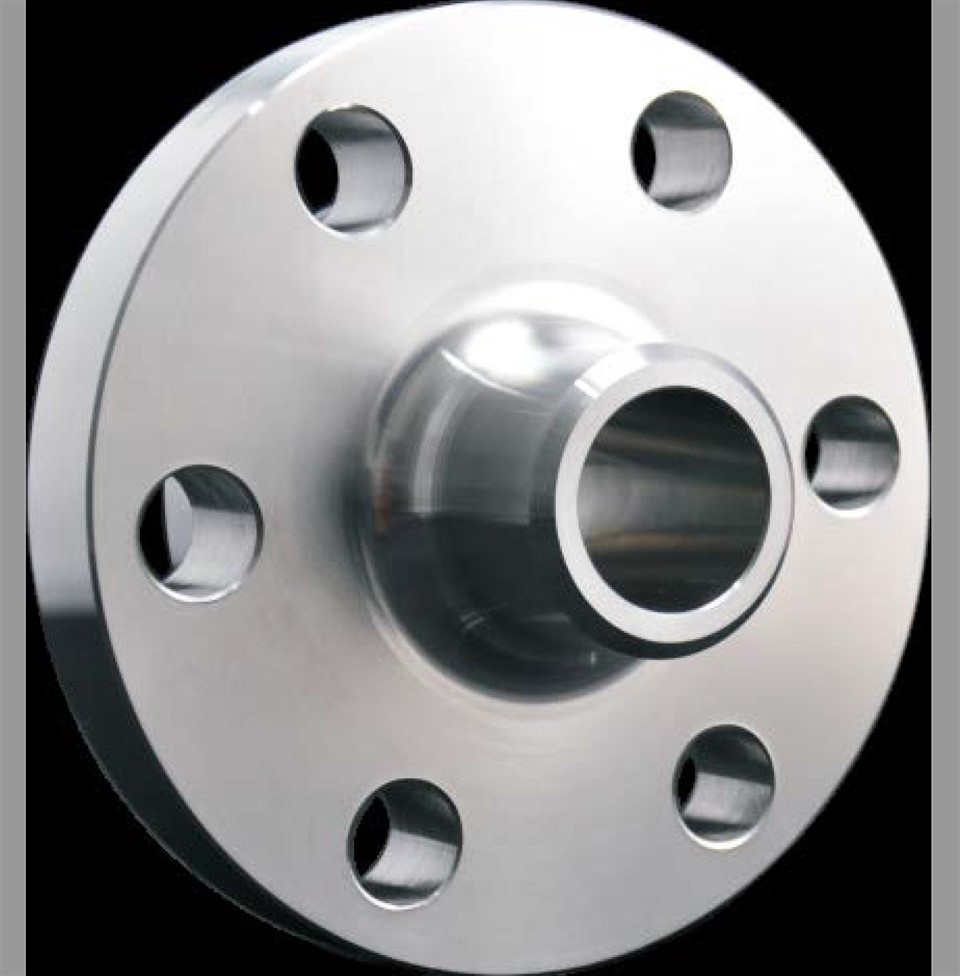

How to Determine the Torque Value
There are a few ways to figure out the right torque value for your Reducer Flange.
Manufacturer's Recommendations
The best place to start is with the manufacturer's guidelines. Most Reducer Flange manufacturers provide torque tables that take into account the specific flange design, bolt size, and grade. These tables are based on extensive testing and engineering calculations to ensure the best performance.
Industry Standards
Industry standards, such as ASME B16.5 WN, also offer valuable information on torque values. These standards are developed by experts in the field and are widely recognized and followed. They provide general guidelines for different types of flanges and bolt combinations.
Calculation
If you don't have access to manufacturer's guidelines or industry standards, you can calculate the torque value using some engineering formulas. The basic formula for torque is (T = K \times F \times d), where (T) is the torque, (K) is a constant that depends on the bolt and nut combination (usually between 0.1 and 0.3), (F) is the clamping force required, and (d) is the nominal diameter of the bolt.
However, calculating the clamping force can be a bit tricky as it depends on factors like the gasket material, flange design, and application conditions.
Common Torque Values for Reducer Flanges
While it's impossible to give a single torque value for all Reducer Flanges, I can give you some general ranges based on common scenarios.
For small - sized Reducer Flanges (say, with a nominal pipe size of 1 - 2 inches) using standard carbon steel bolts, the torque value might range from 20 - 50 foot - pounds. For medium - sized flanges (3 - 6 inches), the torque could be between 50 - 200 foot - pounds. Larger flanges (8 inches and above) can require torque values of 200 foot - pounds or more.
But remember, these are just rough estimates, and you should always refer to the manufacturer's guidelines or industry standards for accurate values.
Tools for Tightening Bolts
To ensure you're applying the correct torque, you'll need the right tools. A torque wrench is the most common tool used for this purpose. There are different types of torque wrenches, such as click - type, beam - type, and digital torque wrenches.
A click - type torque wrench is easy to use. You set the desired torque value on the wrench, and when the torque reaches that value, it makes a clicking sound, indicating that you should stop tightening. Digital torque wrenches are more precise and can display the exact torque value.
Importance of Proper Torque Application
Applying the correct torque is not just about getting a good seal. It also affects the long - term performance of the Reducer Flange. A well - torqued connection will last longer, reducing the need for frequent maintenance and replacements. It can also prevent safety hazards, such as leaks of hazardous materials.
Some Tips for Tightening Bolts on Reducer Flanges
- Use a Star Pattern: When tightening the bolts, use a star pattern. This helps to distribute the clamping force evenly across the flange. Start by tightening the bolts in a diagonal pattern, gradually increasing the torque in steps until you reach the final value.
- Check the Torque Regularly: After the initial installation, check the torque periodically, especially in high - vibration or high - stress applications. Bolts can loosen over time, and re - tightening them can prevent problems.
- Lubricate the Bolts: Applying a small amount of lubricant to the bolt threads can reduce friction and make it easier to achieve the correct torque. However, make sure to use a lubricant that is compatible with the bolt and flange materials.
Our Reducer Flanges
As a Reducer Flange supplier, we offer a wide range of high - quality flanges, including Butt Flange and Forged Welding Neck. Our flanges are made from top - notch materials and are designed to meet the highest industry standards.
We also provide detailed technical support, including information on the correct torque values for our flanges. If you're unsure about which flange is right for your application or what torque value to use, our team of experts is here to help.
Conclusion
Figuring out the torque value for tightening the bolts on a Reducer Flange is a complex but essential task. It involves considering factors like bolt size and grade, flange material and design, and application conditions. By following the manufacturer's guidelines, industry standards, and using the right tools, you can ensure a proper and long - lasting connection.
If you're in the market for Reducer Flanges or need more information on torque values, don't hesitate to reach out. We're here to assist you with all your flange needs and help you make the right choices for your projects.
References
- ASME B16.5 - Pipe Flanges and Flanged Fittings
- Machinery's Handbook